The internet is not just a technology or a tool for transmitting information. It has so profoundly changed our social, cultural, and economic realities that it has become an integral part of how we think, perceive the world, and interact with one another. With the development of the internet, the term "post-internet" emerged, describing a new cultural phase where digital technologies not only coexist with us but are deeply integrated into all aspects of our lives. What does this phenomenon mean, and why is it so important?
Definition of Post-Internet
The term "post-internet" arose in the context of art and culture in the early 2000s to describe new forms of artistic creativity and cultural processes that emerged after the internet ceased to be a novelty and became commonplace. However, this term is broader and encompasses not only art. Post-internet describes an era in which the internet is not just a tool or a separate environment but rather a fundamental structure of our everyday lives.
In the context of post-internet, the internet is no longer perceived as a separate space where people go to obtain information or interact with others. Instead, it has become so integrated into all areas of life — from personal relationships to economics and politics — that the boundary between online and offline worlds is gradually blurring.
Impact on Art
Post-internet art is one of the key areas where this phenomenon has found its expression. It is art that was born and functions in an era when the internet is so integrated into life that most works are created with its influence in mind. These can be both digital works and physical objects, but all reflect the aesthetics and culture shaped by the global network.
One of the key aspects of post-internet art is the interaction with digital culture and internet memes, which have become an integral part of mass consciousness. Artists use elements of internet culture to create new meanings and contexts, often exploring the boundaries between the digital and physical worlds. For example, popular internet memes can become themes for paintings or installations that resonate with broader cultural and social processes.
Post-internet art also actively uses social networks and digital platforms as venues for exhibitions and interaction with the audience. Artists are no longer limited to galleries or museums. The internet allows anyone to create, publish, and share their art with a global audience. This changes not only the form of art itself but also the role of the artist and the viewer.
Social Changes and New Reality
Post-internet pertains not only to art but also to broader social processes. Social networks, for instance, have radically changed the way we build relationships, form social movements, and express our thoughts. Information is now transmitted instantly, directly from one user to another, allowing for the creation of new forms of interaction and collaboration. But at the same time, this leads to certain challenges — from privacy issues to information overload and fake news.
One aspect of post-internet is the phenomenon of the "global village," where geographical boundaries no longer play an important role. People from different countries can interact, collaborate, and exchange ideas instantly. This creates new opportunities for intercultural dialogue but also raises questions about preserving local identities in a globalized world. The phenomenon of the global village will be described in a separate post.
Technologies and Self-Perception
Post-internet also changes our self-perception. A person in the post-internet era is not just a physical individual but also a digital presence. Our online persona, which we build through social networks, websites, and digital platforms, often becomes as important as our physical presence. This changes not only how we see ourselves but also how others perceive us. Many aspects of life are increasingly digitized, and for example, one can now get married online through the Diia app.
Moreover, the internet provides opportunities for creating new communities and new formats of community. For instance, people can find like-minded individuals online, form new networks of support and interaction that were previously unavailable due to physical distance or cultural barriers. For example, concerned individuals who have a 3D printer (or several) and want to help the army can join the PrintArmy community. Even from a distance, people can communicate and do things (even non-digital, but physical) and influence global and important matters.
Post-internet is more than just a technological phenomenon. It is a cultural and social reality that changes our perception of the world, our interaction with art, society, and even ourselves. We live in an era where the internet is no longer a separate space but is deeply woven into all aspects of our lives. Post-internet culture, with its new forms of art, social changes, and rethinking of identity, continues to evolve and transform our understanding of the modern world. The new generation will hardly be able to imagine a time when the internet was not what it is now.
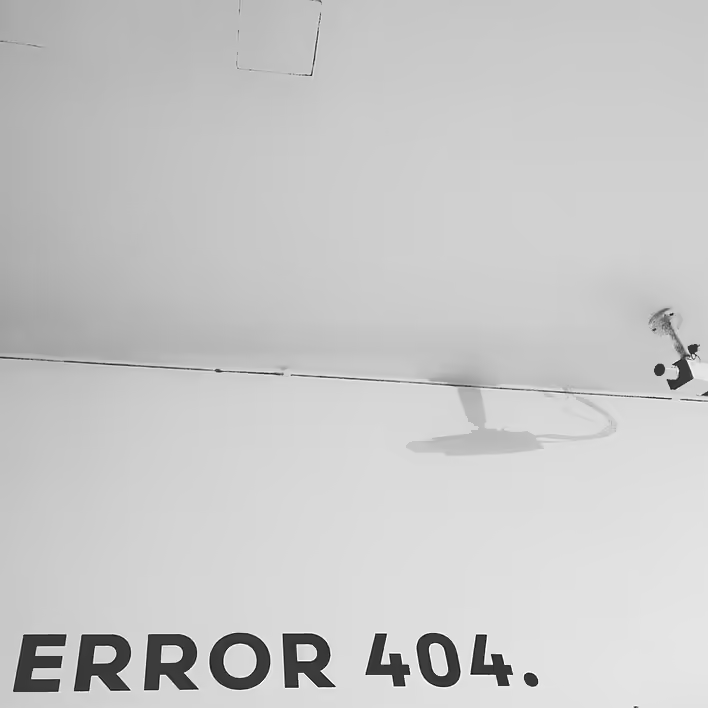
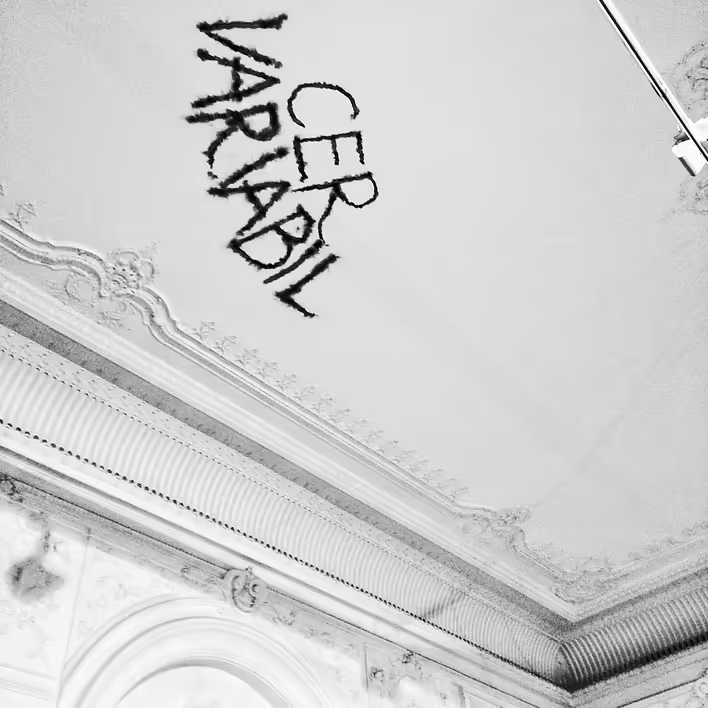
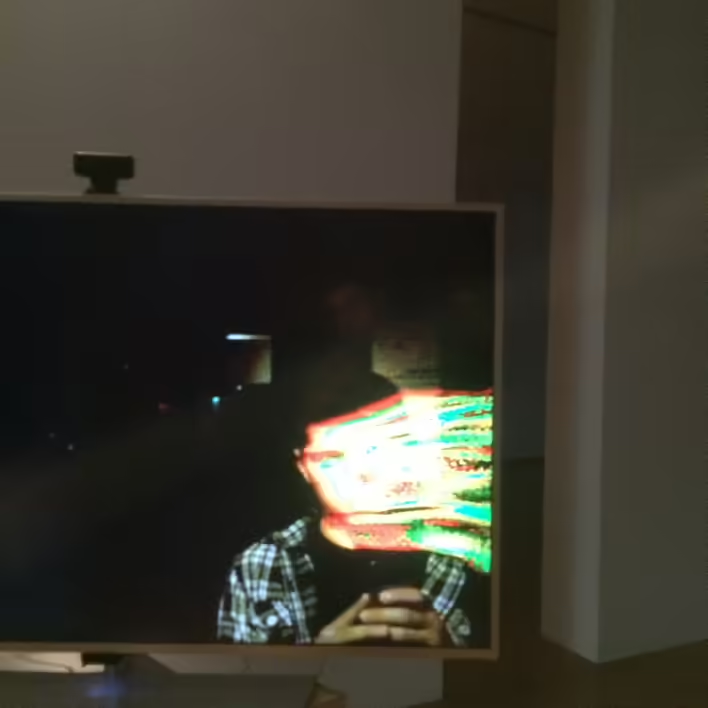
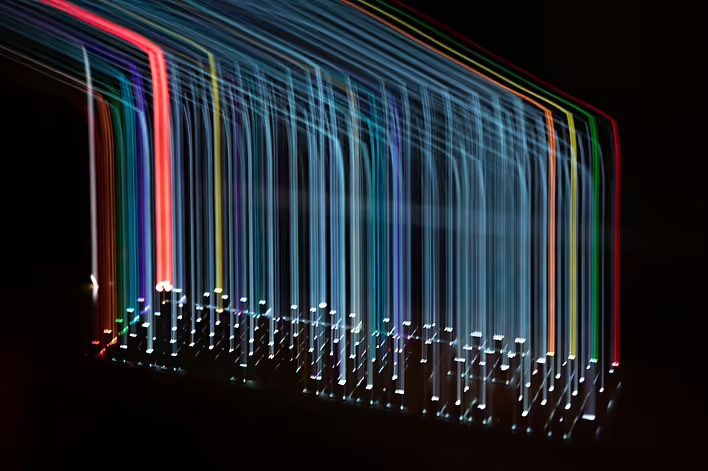
To this post, I added a photo from the exhibition Error 404. Territories of Absence that took place in Bucharest in 2017. This exhibition precisely described aspects of the transformation of the era and post-internet as a whole.