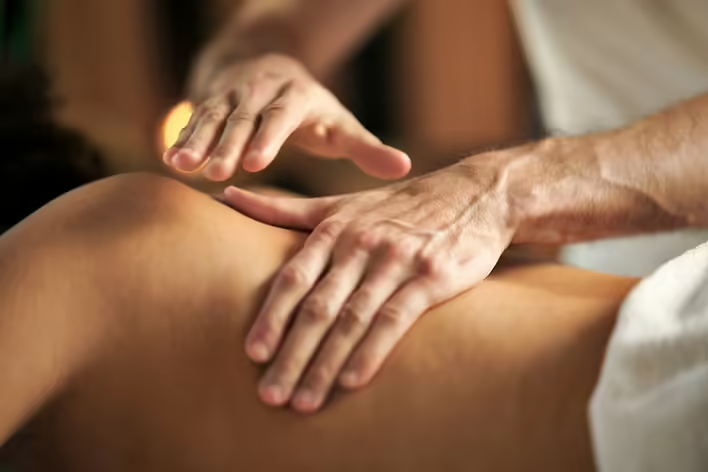
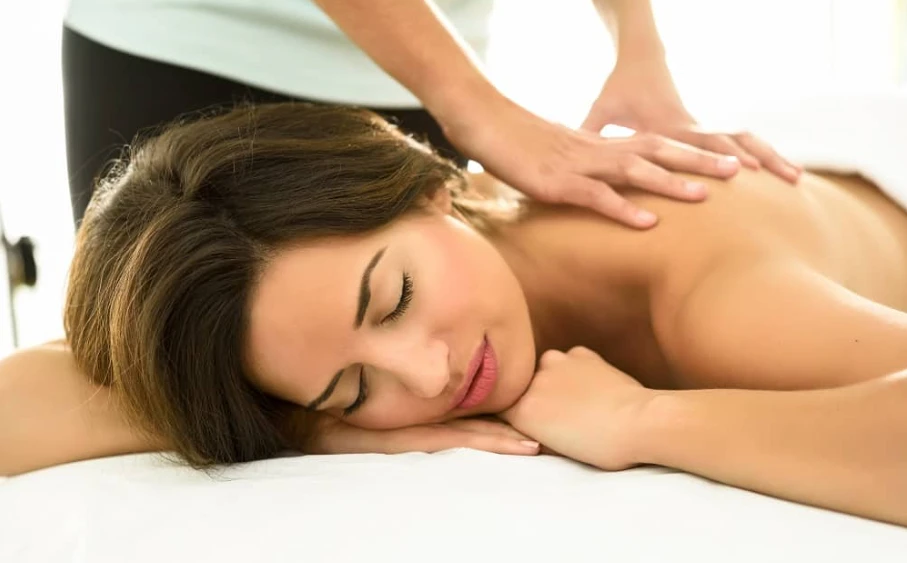
In the 21st century, the speed of life and the demands on our attention have increased so much that feelings of chronic fatigue, anxiety and emotional exhaustion have become almost the norm. Technology gives us enormous opportunities, but at the same time creates a constant flow of information, multitasking and psychological noise. Added to this are variable sleep patterns, sedentary lifestyles, and reduced recovery time, and we get a favorable environment for reducing emotional well-being.
In response, people began to look for simple and natural ways to maintain a good mood and psychological stability. Someone turns to sports, someone to meditation or changes in the diet. But one of the less noticeable, but scientifically based methods is bodily influence, in particular massage. Touch, pressure and rhythm of procedures trigger not only physical reactions in muscles and vessels, they trigger a chain of biochemical changes in the brain.
Today, more and more research shows that massage is not only a pleasant feeling, but a real trigger for the production of the same neurotransmitters and hormones that we conventionally call "happiness hormones". These substances regulate mood, motivation, recovery ability and even sleep. In other words, proper massage can work as a natural "biohack" to increase emotional well-being.
In this article, we will analyze step by step what are the mechanisms underlying this effect: how touch is transformed into a chemical reaction in the brain, what types of massage are most effective for stimulating specific neurotransmitters, and what expected changes can be seen in everyday life. By the way, the idea of “massage as a science of mood” is actively developed by practitioners today - in particular, the team Delux by Bezvuliak in Lviv, where they work with touch as carefully as scientists with neurotransmitters. It was that the massage therapists of this salon helped in the preparation of this article, sharing their practical experience and observations on how body work affects a person's emotional state.
What are the hormones of happiness: short lykbez
The concept of "happiness hormones" has become popular thanks to the media, but from a scientific point of view it is a group of different substances that together form our emotional background and influence behavior. They not only determine how much we enjoy life, but also regulate pain, sleep, appetite and even social interaction. Let's consider the main members of this chemical orchestra.
Endorphins - natural painkillers of our body. They block pain signals, reduce anxiety and cause a feeling of lightness or even euphoria. Their level increases after physical exertion, laughter, a pleasant touch and, as research shows, after a quality massage.
Serotonin - a neurotransmitter responsible for mood stability, a sense of harmony and satisfaction. It is also called the "hormone of rest". When serotonin levels drop, we become irritable, tired, and sometimes even prone to depressive states. Increased serotonin levels have been linked to touch, warmth and a sense of care.
Dopamine - chemical motivation driver. It creates a sense of reward when we reach a goal or get something nice. But unlike short-term dopamine surges (for example, from social networks or sugar), the reaction to massage is more balanced and long-lasting.
Oxytocin - trust and social attachment hormone. It is often called the "hug hormone". Massage, accompanied by comfort and warmth, activates the release of oxytocin, thanks to which the level of stress decreases and the feeling of internal safety increases.
Together, these substances create a complex but harmonious system of emotional regulation. They work as an invisible mixer that determines our well-being. And massage, it turns out, has a unique ability to tune this mixer naturally - through touch and bodily contact.
How exactly massage affects the production of these hormones
At first glance, it seems that massage is simply a mechanical effect on the body. But in reality, it triggers a complex series of neurophysiological processes that directly affect the work of the brain and endocrine system. Touch, pressure and rhythm of massage movements activate skin receptors that transmit signals through the nervous system to the brain and it is there that the "biochemistry of happiness" begins. Step-by-step effect of professional massage on the body:
1. Decreased cortisol levels
During stress, the body produces the hormone cortisol, it helps to cope with tension, but in excess it exhausts the nervous system. Massage reduces the activity of the sympathetic nervous system (responsible for the fight-or-flight reaction) and activates the parasympathetic, which is responsible for calmness and recovery. As a result, cortisol levels drop and the body goes into recovery mode.
2. Activation of touch receptors
Soft pressure and slow rhythmic movements stimulate the so-called C-tactile fibers - special nerve endings that respond precisely to a pleasant touch. They transmit signals to the brain's emotion-related area, the insula. This mechanism is directly related to increased oxytocin and serotonin levels.
3. Increase in endorphins and serotonin
Studies show that after a 60-minute massage session, the level of endorphins in the blood can increase by 20-30%. At the same time, there is a noticeable decrease in cortisol levels and an increase in serotonin. This combination creates a feeling of lightness, pleasure and peace that lasts several hours after the procedure.
4. Dopamine balance
Massage promotes stable production of dopamine without a sharp swing, as after short-term stimuli (coffee, social networks, sweets). This creates a longer feeling of satisfaction and inner motivation. After the procedure, a person feels not only relaxed, but also emotionally charged.
5. The effect of trust and security
Contact with the master, a feeling of care and warmth activate the oxytocin reaction - that is why after the massage, many people describe a feeling of comfort, peace or even emotional cleansing. It is a manifestation of the body's biological response to caring touch.
According to the University of Miami, regular massage sessions can increase serotonin levels by an average of 28% and reduce cortisol — levels by 30%. This is not magic, but natural biochemistry: massage literally reprograms the body to a state of rest.
So massage is not just a muscular strain reliever. It is a powerful neurobiological tool that helps restore hormonal balance, increase emotional stability and restore a sense of inner harmony.
Additional effect: how massage changes brain function
Most people only see massage as a way to relax or relieve tension from the muscles. But if you look deeper, massage affects the brain no less than the body. Due to the cascade of neurochemical reactions we talked about above, it is able to rebuild the work of the nervous system, improve emotional stability and even change our habits.
Improving the quality of sleep
One of the most noticeable effects is the normalization of sleep. An increase in the level of serotonin after massage contributes to the natural formation of melatonin - a hormone that regulates the cycle of sleep and wakefulness. Thanks to this, falling asleep becomes easier, and the sleep itself becomes deeper and restorative. Studies show that even a short course of massage can reduce insomnia in people with chronic stress.
Reducing anxiety and improving concentration
Massage helps balance the activity of the limbic system - the area of the brain responsible for emotions. When cortisol levels drop and endorphins rise, the brain stops being in a state of constant alertness. This not only reduces anxiety, but also improves cognitive function: focus, memory, and decision-making.
Formation of healthy dopamine habits
In today's world, we are often trapped in "dopamine swings" - short bursts of social media pleasure, coffee or sweets that are quickly replaced by fatigue. Massage forms a different pattern: it activates dopamine gradually, creating a stable feeling of pleasure without sharp changes. This is how the body learns to enjoy through healthy stimuli: care, peace, contact.
All this allows you to position massage as a tool of emotional hygiene. This is a practice that helps keep the brain in a state of balance, stabilizes the hormonal background and promotes better adaptation to stress in the conditions of modern life.
At the end
Modern people often worry about the body - sports, nutrition, sleep. But psycho-emotional hygiene remains underestimated. Massage is not a luxury or an "hour relaxation session", but a way to restore the body's natural harmony with the brain. When the body receives care, it responds with gratitude: peace, clarity, satisfaction from life.
If you want to check how it works in practice, you can contact the salon Delux by Bezvuliak in Lviv. Specialists work here who treat massage not as a procedure, but as a way to support a person. And after such a session, it is really easier to feel that the body and mood can be on the same side.
Share this post
Cite post
Select and copy the required citation standard:
This post doesn't have any additions from the author yet.