The choice of a place where your child will take their first steps in the world of learning and socialization is a responsible and at the same time exciting moment. It is here that the little one will learn to make friends, develop their talents, and become more independent. When choosing a kindergarten for their child, parents often focus on the development program and conditions. Among examples of private institutions is https://mriya.org.ua/schools/kindergarten/, which emphasizes an individual approach and modern methodologies. But how to understand which option is suitable for your family? To avoid getting lost in a sea of offers, it is worth having a clear plan. So here’s a checklist that will help you make the right choice.
1. Atmosphere and Attitude Towards Children
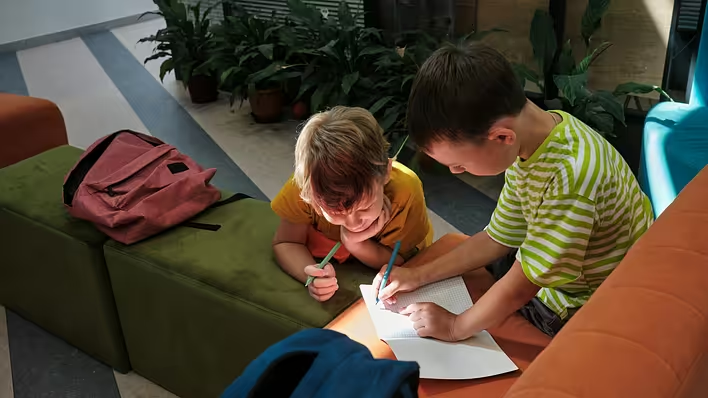
Pay attention to how the educators communicate with the children. If you see sincerity, care, and friendliness — that’s a huge plus. The little one should feel safe, as if at home, only with new friends. Observe how the children interact with each other: are they smiling, do they feel comfortable asking questions? This indicates a healthy atmosphere.
2. Qualification of Educators
The educator in the kindergarten is almost a second mother. They should be not only kind but also professional: knowing modern methodologies, understanding child psychology, and being able to find an approach even to the shyest child. Ask about their work experience, additional courses, or training. The more educators invest in their own development, the better they will teach your child.
3. Development Program
A good kindergarten is not limited to just games. It offers interesting activities: from creativity and music to English language or logical games. Private kindergartens often operate using modern methodologies such as Montessori or STEM, which develop thinking, imagination, and independence. These are not just lessons, but activities that motivate children to ask questions and find their own answers.
4. Conditions and Safety
Outdoor walks, comfortable rooms, quality meals, and modern play areas — all of this affects the child's comfort. Check if the premises are clean, if there is a place for sleeping, and what toys are used. The level of safety is also important: a fenced area, surveillance cameras, security. These factors give parents peace of mind.
5. Number of Children in the Group
The fewer children there are, the more attention each little one receives. In small groups, educators know the characteristics of each child better and respond more quickly to their needs. This means that your child will not get lost in a large group but will receive individual attention.
6. Cost and Payment Conditions
The financial aspect is always important. Clarify what is included in the cost: meals, clubs, school preparation, walks, or excursions. Sometimes, higher prices mean better quality, but the main thing is transparency and honesty from the administration. Don’t hesitate to ask questions to avoid hidden fees.
7. Reviews from Other Parents
Real reviews are more valuable than any advertisement. Talk to parents whose children already attend the kindergarten, or look for reviews online. This will help you form a real impression and understand whether the kindergarten meets your expectations.
Choosing a private kindergarten is not an easy task, but the checklist will help avoid mistakes. Observe, analyze, and trust your intuition. Remember: a kindergarten is not just a place where a child spends a few hours, but an environment that shapes their character, values, and first perceptions of the world. If you feel that the institution is suitable for your family, your child will be comfortable there. And a child's comfort means peace and confidence for parents.