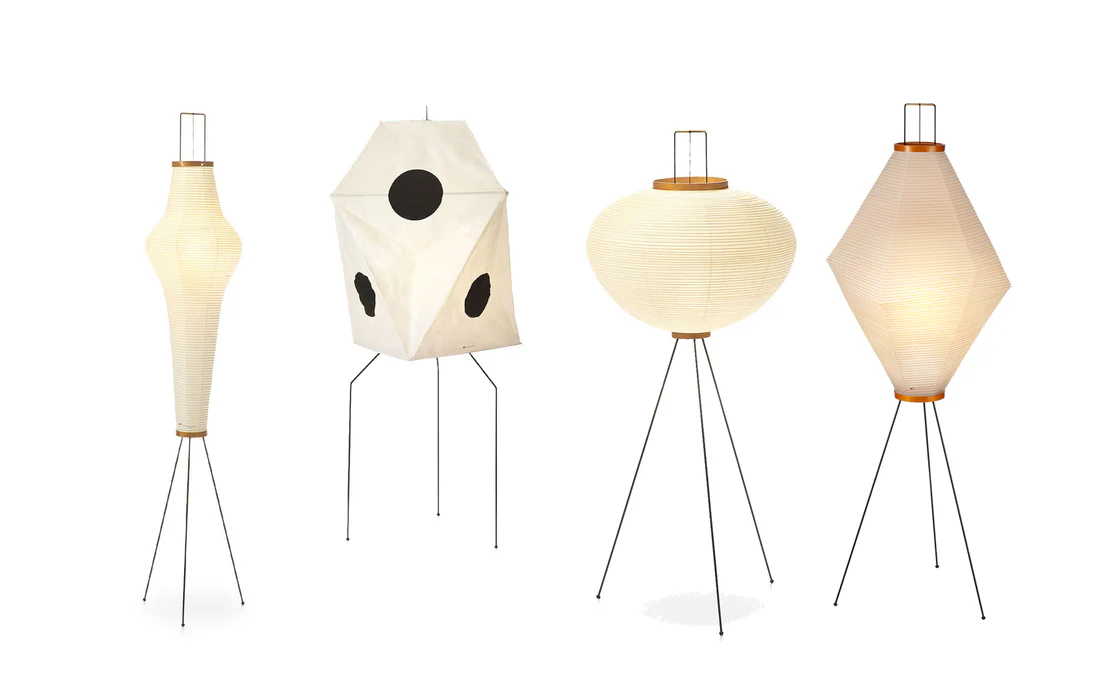
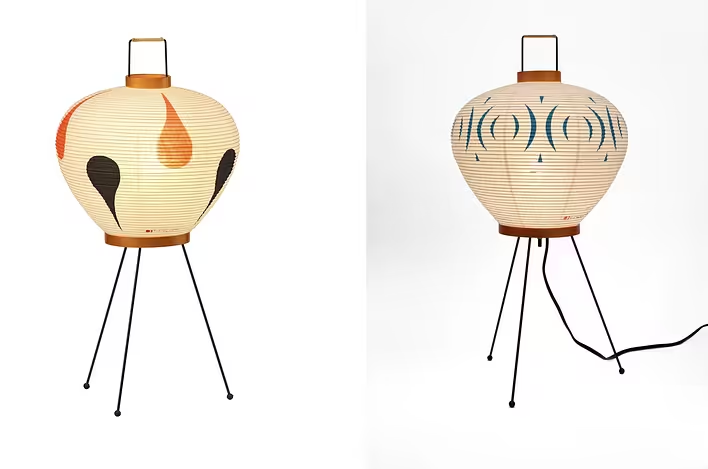
Akari begins with a simple yet very precise idea: a lamp can not only provide light but also change the character of a space. In these paper forms, the lamp ceases to be merely a technical object. It does not attract attention with shine or complex construction but works softly: diffusing light, softening shadows, making the room calmer and more collected. It is neither a decorative chandelier nor a utilitarian lampshade, but an object at the intersection of design, craft, and sculpture.
Thus, Noguchi formulated Akari Light Sculptures - light sculptures that grew from the Japanese tradition of paper lanterns but spoke the language of modern design. What matters is not only how they look but also how they work with the material: the thin paper lets light through, the bamboo frame holds its shape, and the entire structure remains almost weightless. Because of this, Akari are perceived not as decoration but as a thoughtful way to make light a part of the interior.
The Japanese word akari means light, glow, illumination. The name conveys Noguchi's intention well: he was interested not so much in the source of light as in how light behaves in space and changes its mood.
What is Akari
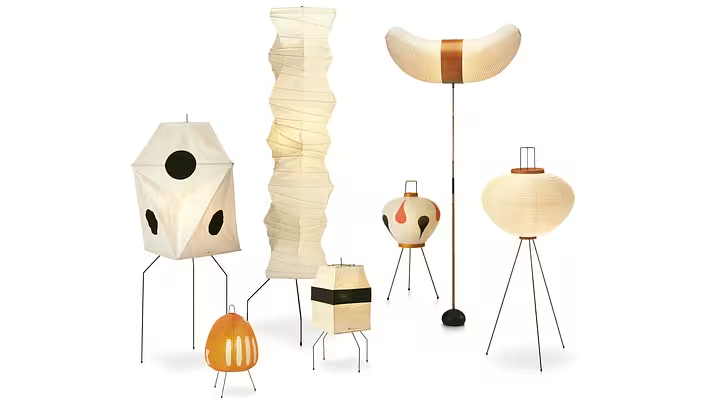
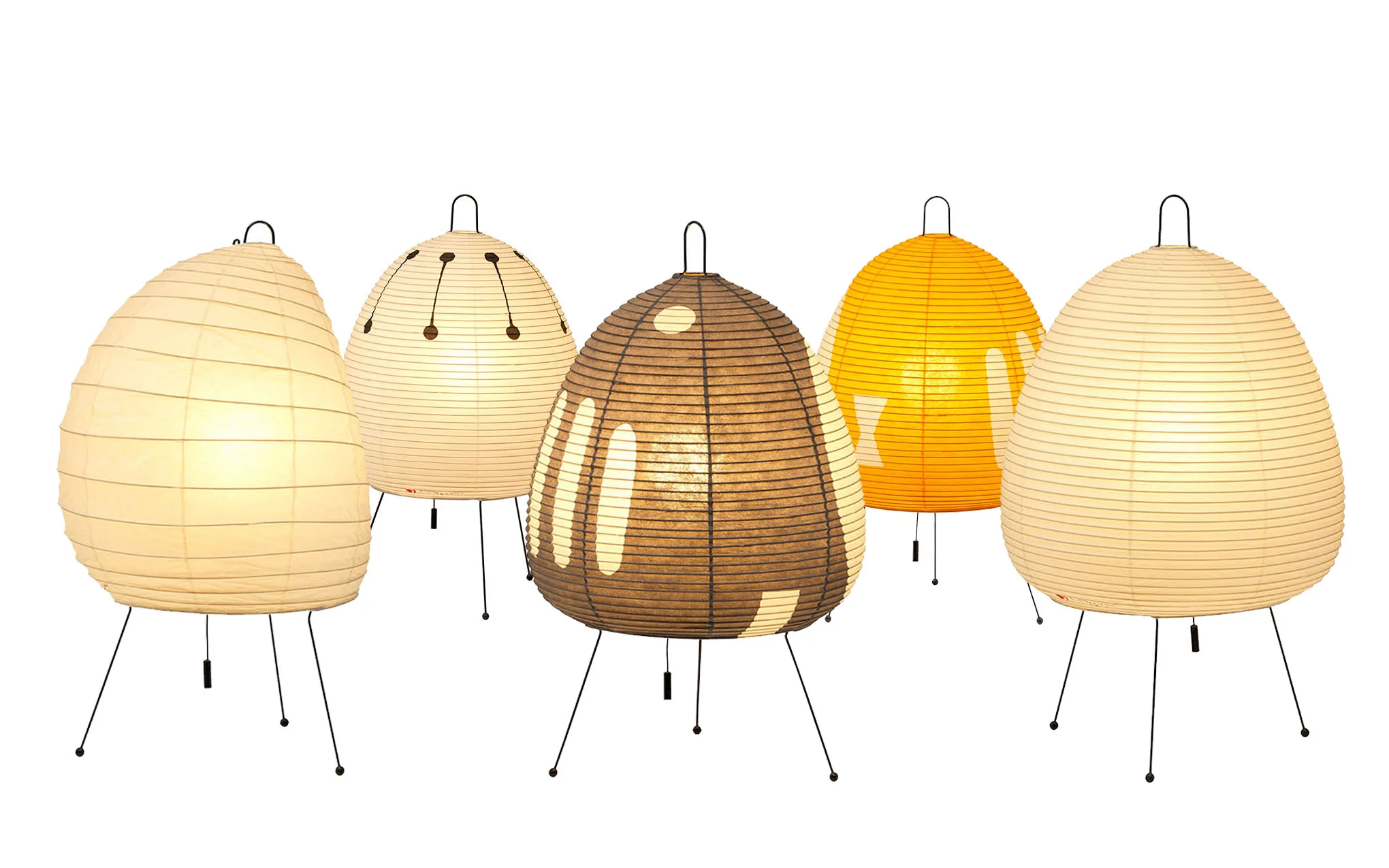
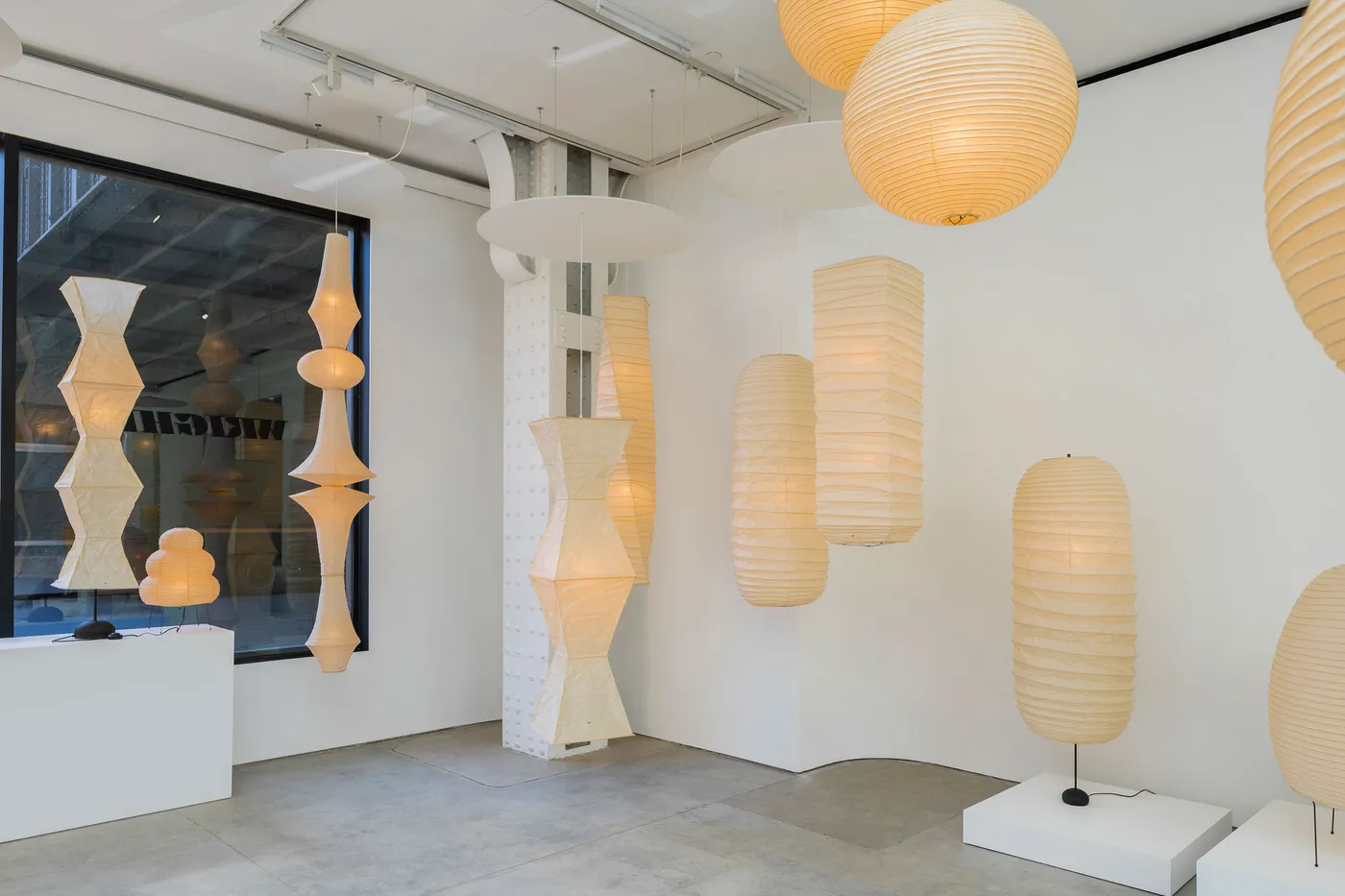
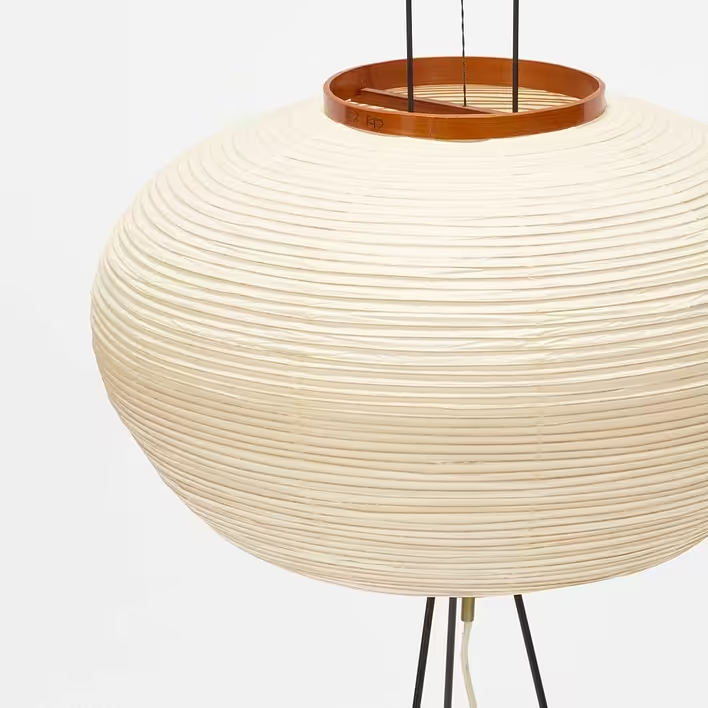
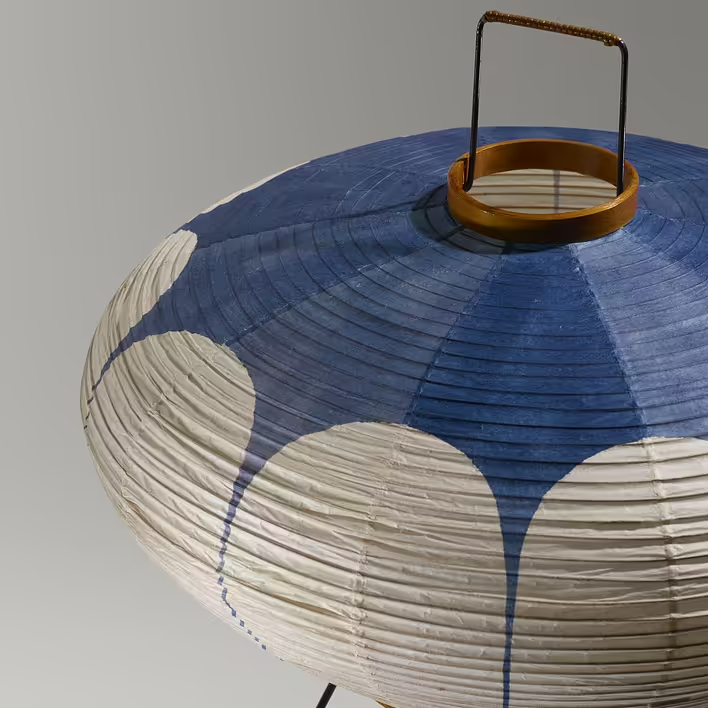
Akari is a series of lamps that Isamu Noguchi began creating in the early 1950s. They are made from thin Japanese washi paper, bamboo ribs, and a metal frame. The shapes can vary: round, oval, elongated, floor, table, or hanging. Some models resemble traditional lanterns, while others look almost like abstract objects.
Noguchi referred to them not simply as lamps but as light sculptures. This is an important distinction. In a regular lamp, the main function is to provide light. In Akari, the form, material, and method of light diffusion are equally important. The paper does not just cover the light bulb; it softens its light; the frame not only holds the structure but defines its silhouette.
Therefore, Akari are easily recognizable but hard to reduce to a single definition. They are at once a Japanese lantern, a modernist object, a home lamp, and a museum piece. They can work in an apartment, gallery, hotel, or café because they are not tied to a single interior style.
Isamu Noguchi: a sculptor between East and West
Isamu Noguchi is an American sculptor, designer, and landscape architect of Japanese descent. He was born in 1904 in Los Angeles, spent part of his childhood in Japan, studied and worked in the USA and Europe, was an assistant to Constantin Brâncuși, and created sculptures, gardens, furniture, stage design for dance, public spaces, and everyday objects. His career spanned over six decades, but it is hard to fit it into one profession.
Noguchi was interested not only in the object but in the space around it. For him, a sculpture could be a stone in a garden, a playground, a square, a table, theatrical scenery, or a lamp. He thought in forms but did not detach them from the human body: how we sit, walk, look, touch, rest, and feel light.
Because of this, Akari do not seem like an accidental episode in his work. They continue one of Noguchi's main ideas: sculpture does not necessarily have to exist separately from everyday life. It can be functional, stand in a room, be used daily, and still remain an artistic object.
Gifu: the city of lanterns and the birth of Akari
The story of Akari begins in the Japanese city of Gifu, known for its tradition of making paper lanterns. Such lanterns were made from thin paper and a bamboo frame, and their value depended not only on the shape but also on the quality of handmade work. In the post-war years, this tradition came under pressure from modern life: electricity changed the perception of lighting, and old lanterns lost their practical necessity.
In 1951, Noguchi visited Gifu. According to a popular story, the local authorities approached him for help in revitalizing the tradition of paper lanterns. Noguchi did not just create a modern version of an old object. He changed the very status of the lantern: from a handcrafted item to a sculptural lamp, from a local tradition to an international design language.
Importantly, Akari did not abandon craftsmanship for the sake of modernity. They are still associated with handmade work, washi, bamboo, and the craftsmanship of Gifu. Noguchi used the tradition not as an external decoration but as the foundation of the construction: the paper is responsible for diffusing light, the bamboo for the lightness of the frame, and the handmade work for the precision and character of each form.
What is washi paper
Washi, or in Ukrainian ваші, literally means "Japanese paper": wa - Japan or Japanese, shi - paper. But it is not just a geographical name. Washi is traditional paper made from long plant fibers. The three main materials often mentioned are kōzo (paper mulberry), mitsumata, and ganpi. It is the long fibers that make washi thin, strong, and durable.
Unlike many Western papers, washi can be very light yet strong at the same time. It has been used not only for writing, books, or prints but also for screens, shoji partitions, umbrellas, lanterns, packaging, clothing, and decorative items. In Japanese life, paper long ceased to be a fragile disposable surface and became a full-fledged material of architecture and daily life.
For Akari, this is fundamental. A regular thick lampshade simply dulls the light. Washi works more subtly: it lets light through the texture of the fibers and makes the lighting more even and softer. The paper remains visible, so the lamp is perceived not as a hidden bulb in a case but as a material that participates in creating light.
Therefore, the explanation "Akari are made of paper" sounds too simple. They are made of washi - a material with its own craft history and very specific optical properties.
How paper transforms into a light sculpture
The construction of Akari seems simple: a frame, paper, a light source. But it is precisely in this simplicity that the complexity lies. The bamboo ribs define the shape, the metal elements provide support, and the washi is stretched or glued in such a way that it evenly wraps the volume and does not lose texture. As a result, the lamp appears light, even though precise work with form is behind it.
Akari can often be assembled or disassembled, and this is also part of their nature. Unlike heavy sculptures, they easily change location: they can be moved, hung, rearranged, given a different height, or a different angle. The lamp does not dominate the room but adapts to it.
When Akari is turned on, the paper reveals the ribs of the frame, and the shadows emphasize the volume. When the lamp is turned off, it still remains an expressive object: white, light, graphic. This is one of the reasons for its success: Akari works both as a light source and as a form in the interior.
Shadow, softness, and the Japanese aesthetics of light
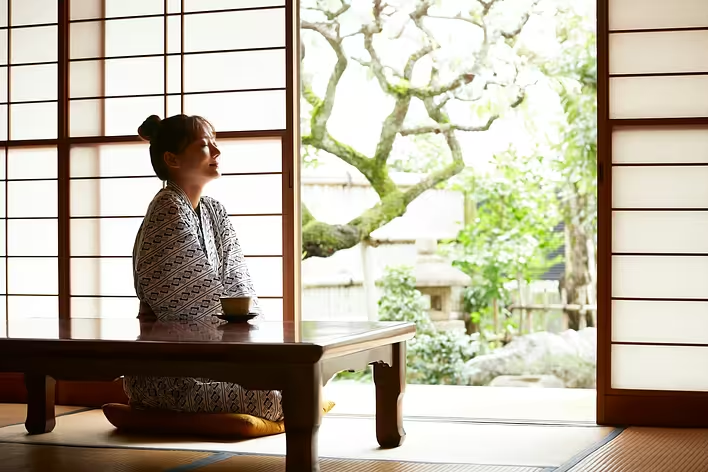
Akari should be considered in the context of the Japanese attitude towards shadow. In traditional Japanese interiors, light often does not flood the space completely. It passes through shoji partitions, reflects off wood, gets lost in niches, leaving things in half-tones. Beauty arises not in maximum brightness but in the transition between light and dark, transparent and matte, explicit and hidden.
Washi works well within this logic. It does not just soften the light but diffuses it and removes harsh contrast. A light bulb by itself can give harsh light; Akari transforms it into something more even, warmer, and more comfortable for the room.
Here, one can also mention the broader Japanese aesthetic of material modesty. Akari do not hide their paper quality and do not try to appear heavier or more expensive than they are. The paper can age, change color slightly, and react to use. For such an object, this is not a flaw but a part of material honesty.
Akari in the interior: why they are still loved
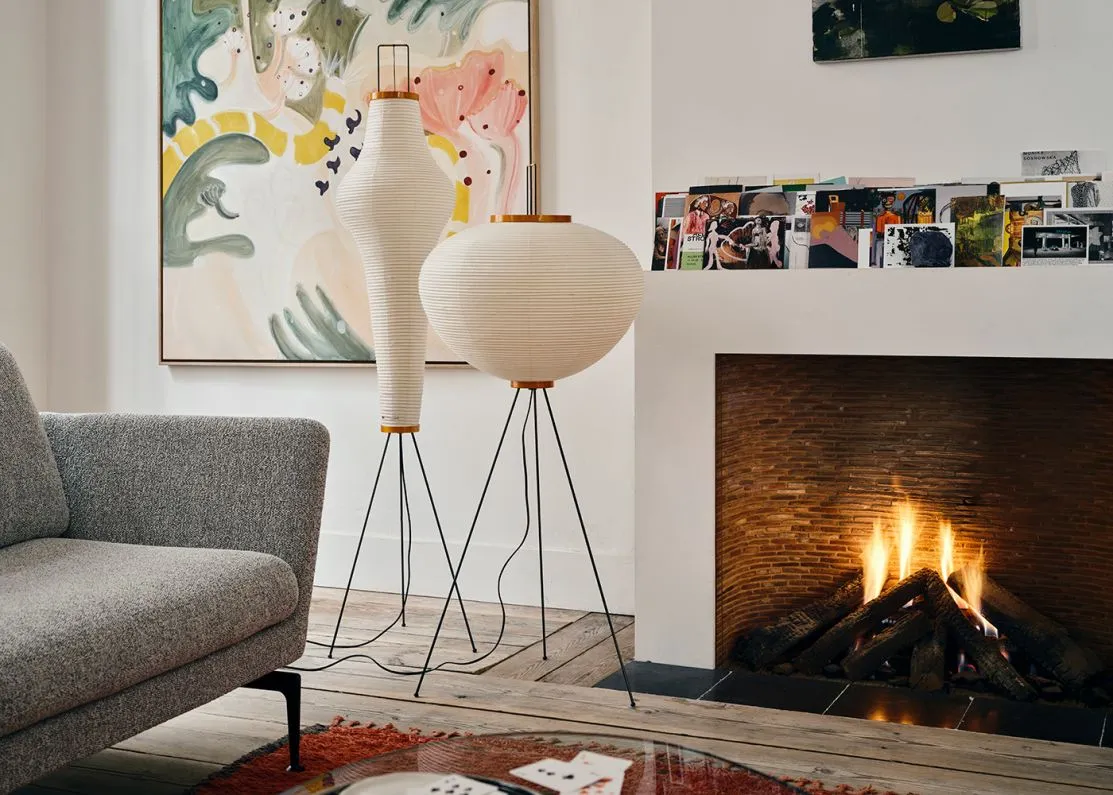
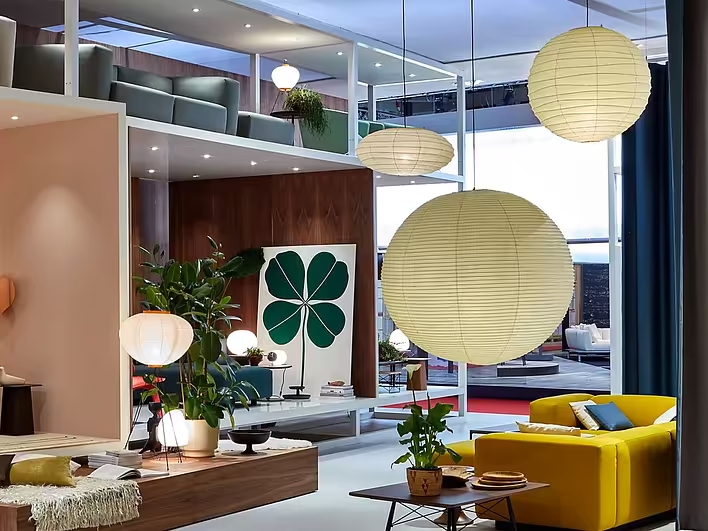
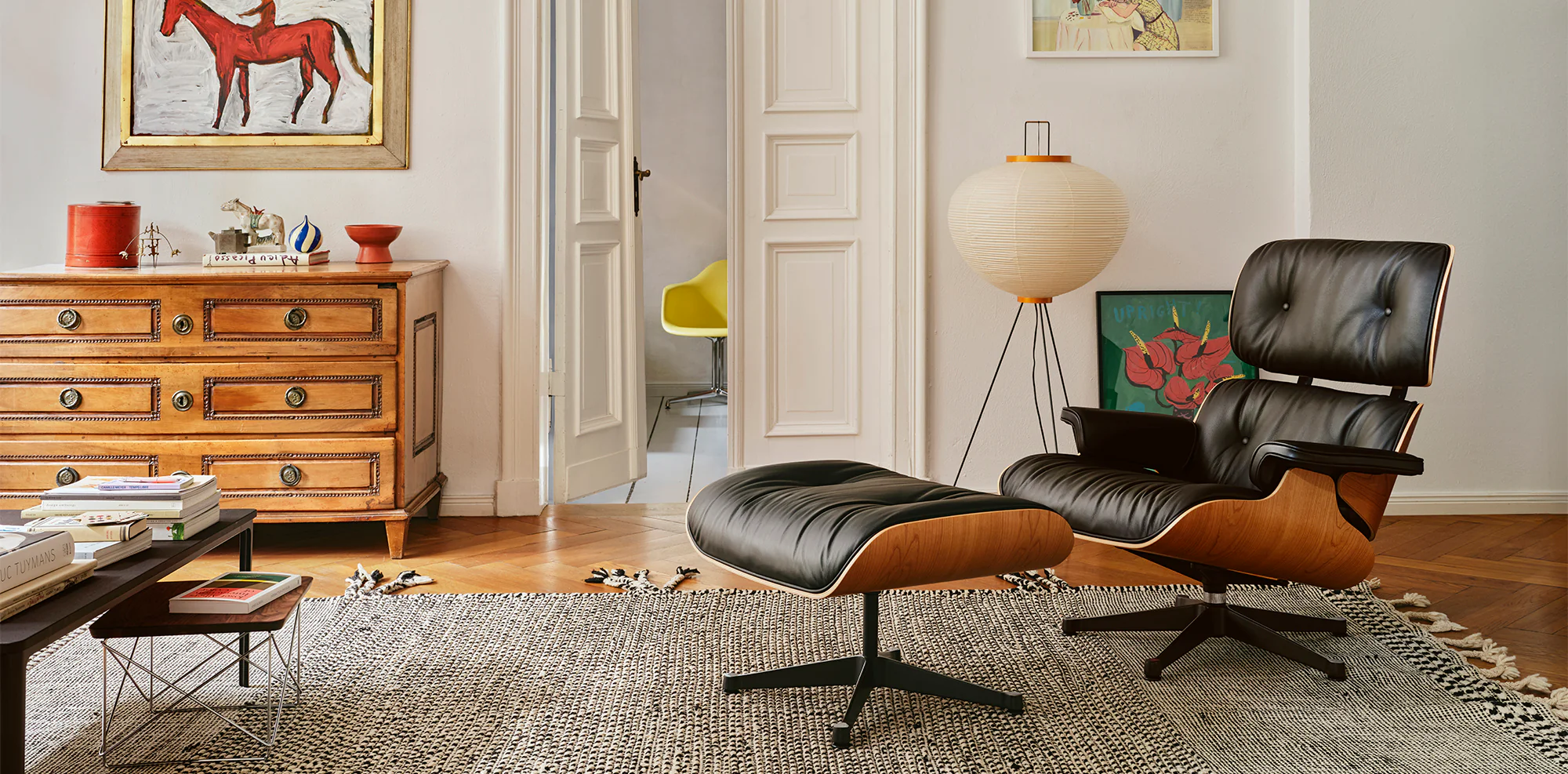
The popularity of Akari is easily explained by the fashion for Japanese minimalism, mid-century modern, natural materials, and soft light. But this is just the surface. In reality, Akari withstand trends because they solve a very ancient problem of home: how to make a space human.
Modern interiors often suffer from an excess of harsh light. Ceiling lamps make a room flat, cold LED panels remove shadows, decorative fixtures sometimes showcase style more than they help to live. Akari work differently: they provide soft local light, around which it is comfortable to sit, read, or converse.
They also fit well into various spaces because they do not have an overly specific style. This is not "Japanese decoration" in a superficial sense. Not a souvenir, not a theatrical sign of the East, not an exotic quote. Akari can stand next to a wooden table, a concrete wall, a vintage chair, a bookshelf, or a modern sofa and not seem out of place. Their form is abstract enough to exist beyond stylization.
Between a mass-produced item and a museum piece
One of the most interesting features of Akari is their dual life. On one hand, they are serial lamps that can be used at home. On the other hand, they enter the history of art and design, are exhibited in museums, collected, and studied as part of Noguchi's heritage.
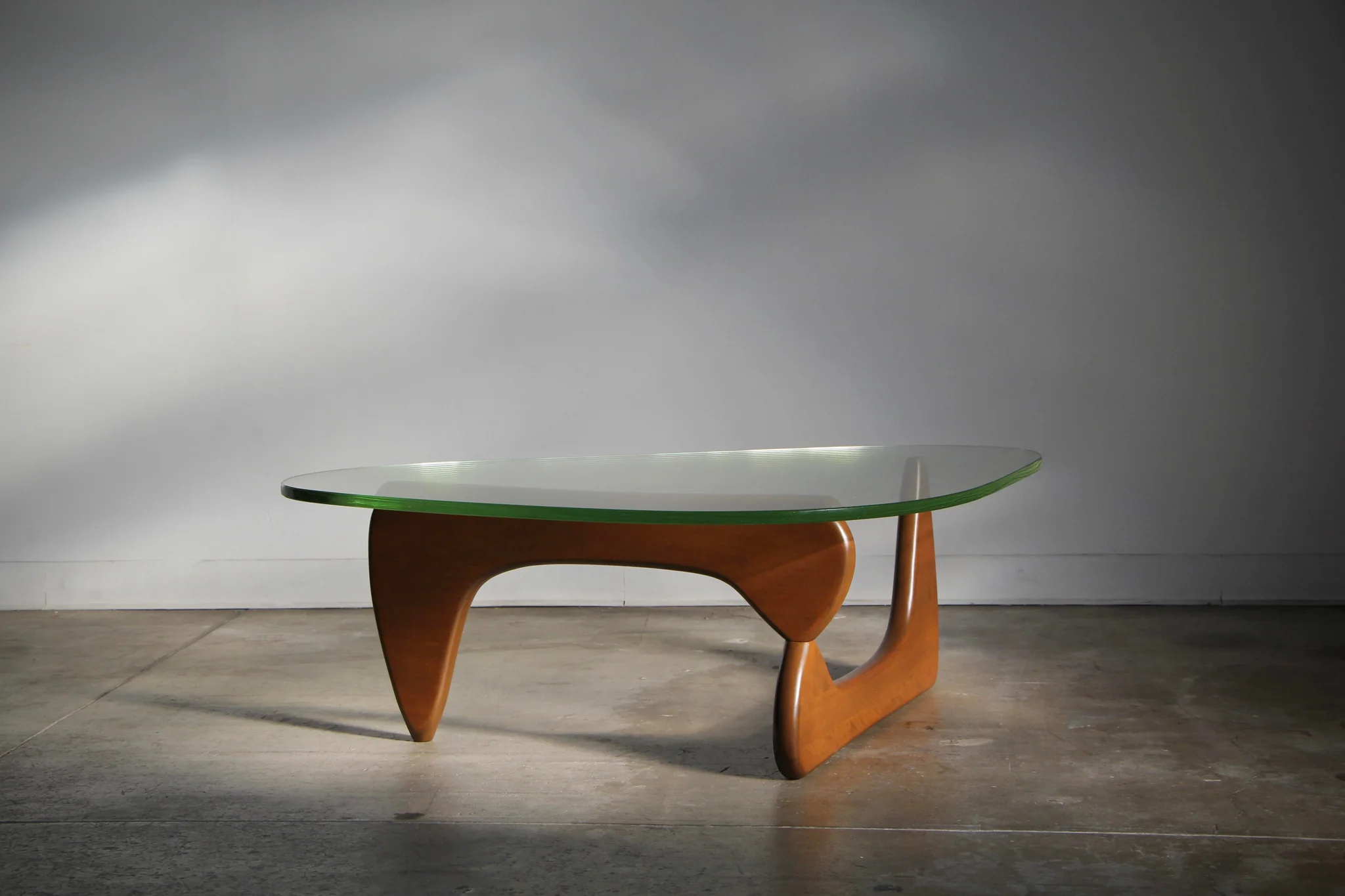
This dual life is not accidental. Noguchi did not see an impenetrable wall between art and design. His famous coffee table, gardens, playgrounds, stage design, and Akari speak of the same thing: form can be part of everyday life, not just an object for contemplation. A sculpture can have a function, and a functional object can have artistic quality.
In this respect, Akari are very modern. Today, we again talk a lot about craftsmanship, materiality, light, and the psychology of home. But Noguchi worked with these themes long before they became the language of interior trends. He did not add atmosphere on the surface of design but built it through material, form, and method of lighting.
Ісаму Ногучі, кавовий стіл
Why Akari still work
Akari do not demonstrate power over space. They do not shine, do not impose luxury, do not pretend to be a technical marvel. Their strength lies elsewhere: a light form, quality material, and well-thought-out light can work more convincingly than a complex decorative construction.
Perhaps this is why they have become an icon of design that does not tire. Many iconic items primarily attract the eye. Akari work more quietly: they do not take up all the space but help to use it.
A good lamp illuminates a table. A good light sculpture helps to see the space itself differently: not through brightness but through softness, scale, and material. This is what Noguchi achieved in Akari: transforming a simple paper lamp into an object where function and form work together.