This content has been automatically translated from Ukrainian.
In the HoReCa segment, coffee occupies a special place. It is not only a daily choice for millions of guests but also shapes the establishment's image. The taste of the first cup often determines whether the customer will return. Therefore, the thoughtful formation of the assortment is a strategic task for café and restaurant owners.
How to find a balance between proven classics and modern trends to satisfy different groups of guests while ensuring business profitability?
The Role of a Reliable Partner
For HoReCa, it is important not only to determine the assortment but also to choose a supplier capable of guaranteeing stable quality and timely deliveries. Timely and advantageous purchases directly affect the establishment's reputation.
If you are looking for an opportunity to expand your assortment, pay attention to the offers from the wholesale tea and coffee supplier Gemini (https://gemini.ua/kava/). They specialize in comprehensive service for HoReCa and offer a wide selection of varieties from classics to premium positions.
Why Does Classic Remain the Foundation?
Despite the emergence of new trends, classic coffee drinks maintain stable demand: espresso, americano, cappuccino, and latte are must-haves in any menu. Guests perceive them as a standard of quality, and it is based on classic drinks that they assess the level of the establishment.
Classic has the following advantages:
- Predictable demand — almost every visitor orders espresso or cappuccino.
- Ease of implementation — baristas can easily maintain stable taste and quality.
- Cost optimization — large purchases of popular varieties allow for reduced costs.
Therefore, when forming a coffee menu, the classics should be the foundation upon which experiments are built.
How to Form a Balanced Assortment
To avoid menu overload and unnecessary costs, it is advisable to apply the “60/30/10” principle:
- 60% — classic varieties that provide the main income.
- 30% — modern trendy solutions that attract new guests.
- 10% — experimental positions for testing market reactions.
Trends Shaping Demand
Coffee culture is changing rapidly. More and more guests are looking for something new on the menu, ready to experiment with flavors and formats. Among the most relevant trends:
- Specialty coffee — varieties with a high SCA score that feature unique flavor profiles.
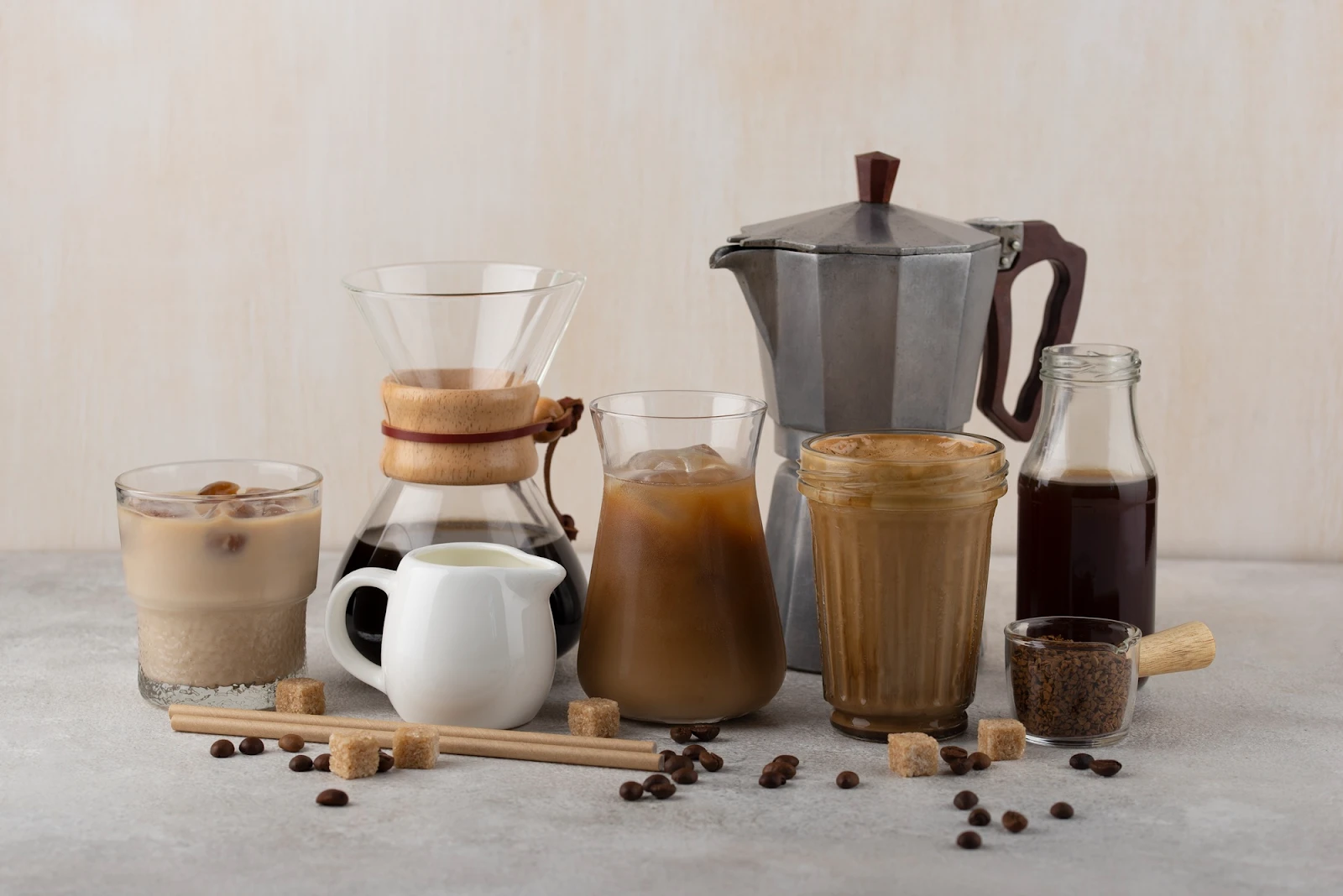
- Alternative brewing methods — V60, Chemex, Aeropress — attract a new audience that values flavor diversity.
- Signature drinks — for example, lattes with added spices or cold coffee cocktails.
- Caffeine-free and organic options — a response to the rising demand for a healthy lifestyle.
Establishments that integrate at least a few trendy positions enhance their competitiveness and can expand their target audience.
Like it?React
🧵
This post doesn't have any additions from the author yet.