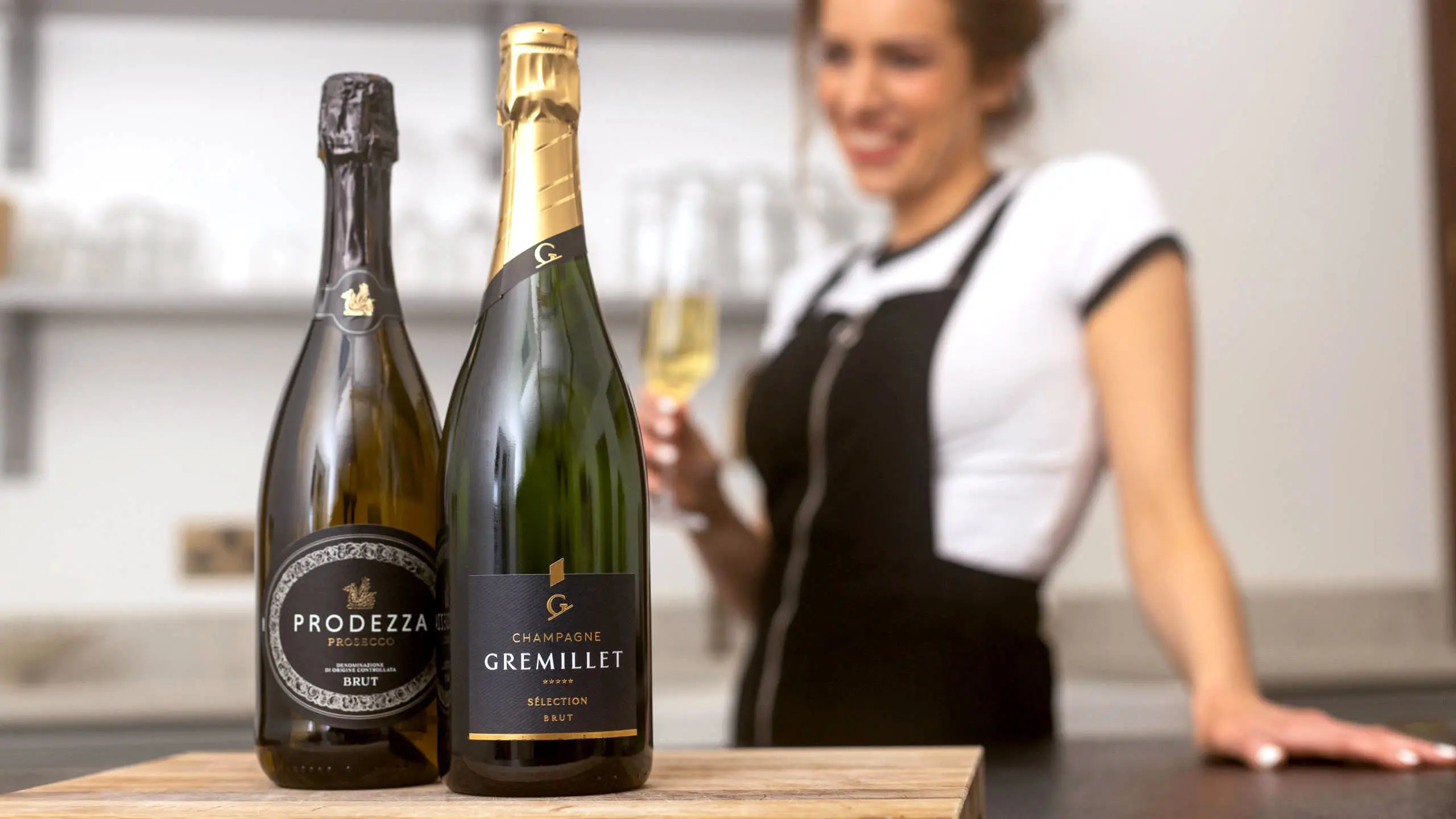
For many consumers, any sparkling wine automatically becomes "champagne," however, from a winemaking perspective, there is a technological chasm between the drinks from France's Champagne and Italy's Veneto region. It's not just about grape varieties or soil characteristics, but about the very method of achieving effervescence. It is the method of secondary fermentation that determines whether the drink will have the aroma of fresh pastries and butter, or burst in the glass with notes of ripe peach and flowers.
Classic Method: Patience and Aging on the Lees
True champagne is created using the most complex technology — méthode traditionnelle. After the first fermentation, the still wine is bottled, a liqueur de tirage is added, and it is left in deep cellars for a period ranging from 15 months to several years. During this time, autolysis occurs — the interaction of the wine with the yeast sediment, which gives the drink complexity, a persistent perlage (the play of bubbles), and characteristic bread notes. This is a labor-intensive process, where each bottle must be regularly turned to collect the sediment near the cork.
Charmat Method: Italian Lightness and Fruitiness
Prosecco is made using the Charmat-Martinotti method, where secondary fermentation occurs not in each individual bottle, but in huge pressurized steel tanks. This allows for maximum preservation of the primary aroma of the Glera grape. This approach significantly speeds up production and makes the drink light, approachable, and aimed at youthful consumption. If you are choosing, to buy champagne in Dnipro or its Italian counterpart for a lively party, pay attention specifically to the Prosecco category, as its vibrant fruit profile is best suited for aperitifs and creating light summer cocktails. The tank method ensures consistent quality and freshness, making it a favorite for informal gatherings.
Organoleptic Differences and Gastronomy
The difference in production methods also dictates the rules of food pairing. Classic sparkling wine, with its high acidity and minerality, pairs perfectly with complex dishes: seafood, aged cheeses, or even poultry in creamy sauce. Prosecco, on the other hand, has a softer structure and sweeter nuances in its aroma, making it an excellent partner for light salads, Asian cuisine, and fruit desserts.
For an objective assessment of both styles, it is worth adhering to the technical serving rules:
chill classic sparkling wine to 8–10 °C, and tank wine to 6–8 °C;
do not use narrow "flute" glasses for vintage wines, as it blocks the aroma;
pour the drink at an angle to preserve the structure of the bubbles as long as possible;
do not store an open bottle without a special stopper for more than two hours.
The choice between French sophistication and Italian straightforwardness is a matter of context, not status. Understanding the technological processes allows you to select a wine that best reveals the atmosphere of the evening, whether it is a quiet dinner or a grand celebration.