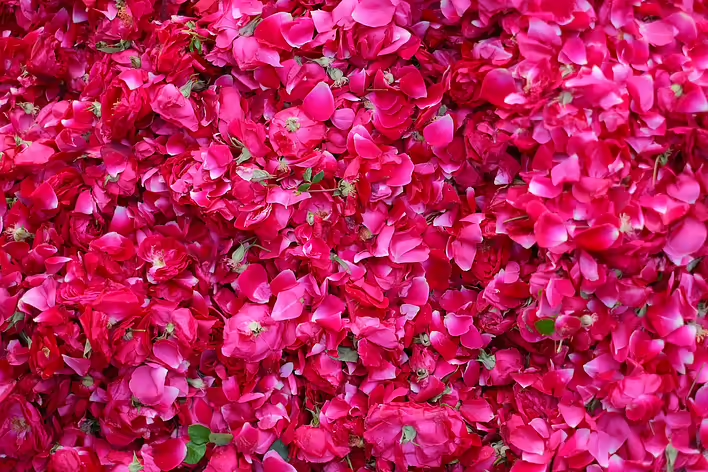
The homeland of the culinary rose is considered to be the territory of modern Iran. In Iran, rose water has been produced for centuries — it is obtained by distilling the petals of the Damask rose. It has become a key ingredient in desserts, beverages, and even medicinal mixtures.
Over time, the tradition spread across the territory of the Ottoman Empire, particularly in Turkey. The floral aroma symbolized luxury and sophistication, as rose essence was initially affordable only to wealthy families.
Rose Turkish Delight — the most famous variant
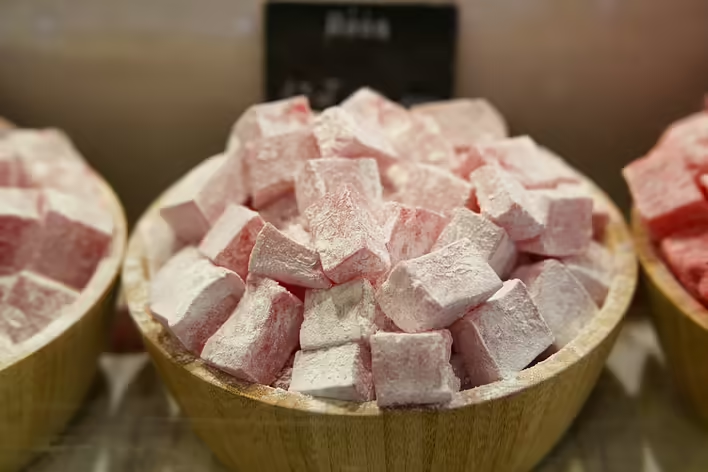
The most popular sweets with a rose aroma are Turkish delight (lokum). It is made from sugar syrup and starch, then cut into cubes and generously dusted with powdered sugar.
Rose lokum is one of the most traditional flavors alongside pistachio. It has a delicate pink color and a characteristic floral aroma that should not be too sharp. Properly made lokum is soft, slightly chewy, and melts in the mouth.
In Turkish culture, lokum is often served with coffee — this is a gesture of hospitality. In ancient shops in areas like Istanbul, you can find dozens of variations — with nuts, coconut, pomegranate, but the rose variant remains a symbol of tradition.
Akide şekeri — Ottoman candies
Another lesser-known but historically significant sweet is akide (akide şekeri). These are hard candy lollipops made from caramelized sugar with the addition of natural flavors.
Among the classic flavors are mint, cinnamon, lemon, and of course, rose. Rose akide has a vibrant aroma and a clear pink or reddish hue. The name “akide” is associated with the tradition of the Ottoman court: these candies were given to Janissaries as a symbol of loyalty to the Sultan.
Today, they are sold in specialized confectioneries as a nostalgic taste of childhood.
Petal jam — gül reçeli
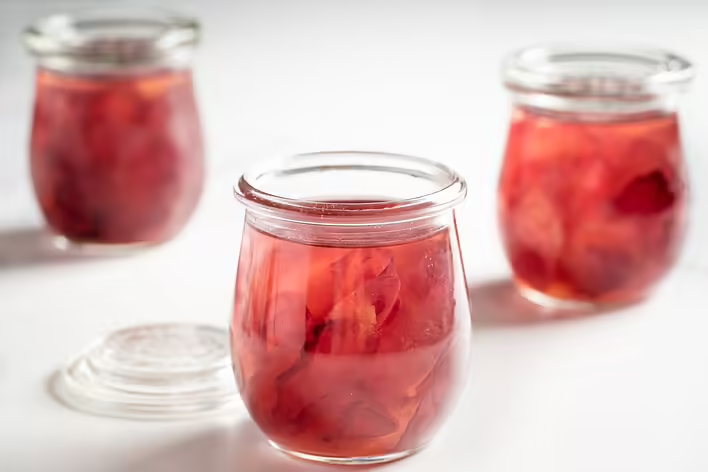
A separate story is the rose petal jam, which is called gül reçeli in Turkish. It is made from fragrant petals, sugar, and lemon juice. The jam has a rich pink-ruby color and a very concentrated aroma.
In Turkey, it is often served for breakfast with cheese, butter, and fresh bread. The combination of sweet jam and salty cheese is a typical element of Turkish gastro culture.
In France and the Balkans, rose petal jam is also made — thick, aromatic, slightly tart. Here, the rose appeared due to trade with the East. In Bulgaria, there is even a region known as the Valley of Roses, where the Damask rose is grown for perfumery and culinary purposes.
Why the rose became a symbol of sweets
Rose water has historically been used in the Ottoman Empire not only in cooking but also in cosmetics and purification rituals. The aroma of the rose was associated with purity, luxury, and spirituality.
Since vanilla and chocolate appeared in the region much later, the rose long served as the main flavoring for desserts. It shaped the flavor profile of the region long before the globalization of cuisines.
Turkish confectionery masters know: the rose aroma must be delicate. An excess will make the dessert too “perfumy.” That is why the best rose lokum or akide feels light, leaving a gentle aftertaste rather than a sharp aroma.
Today, rose sweets are part of the tourist experience, but for the Turks themselves, they are also an element of cultural memory. The taste of rose here is not a trend, but a heritage that has survived centuries and remains a symbol of sophistication.