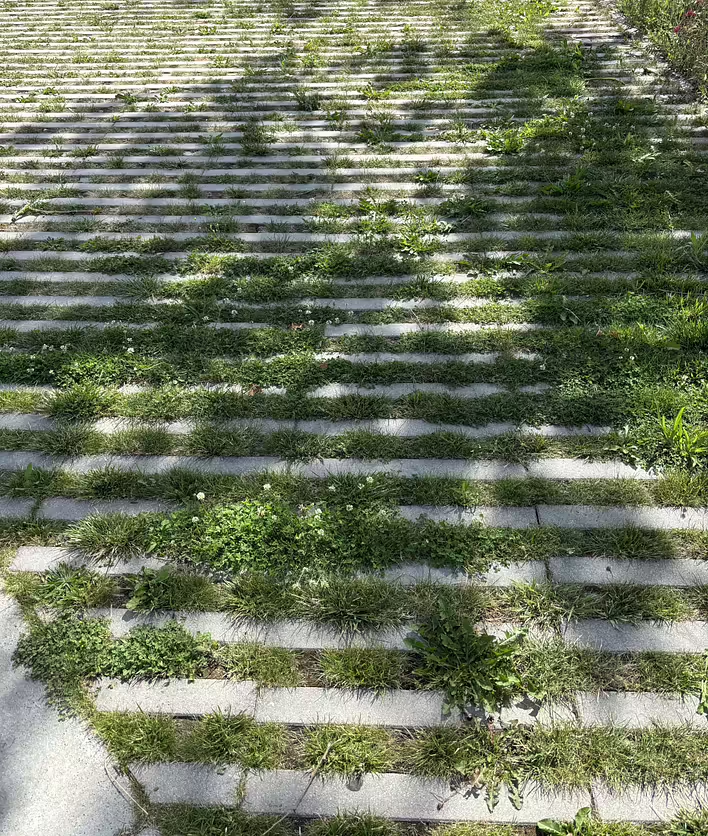
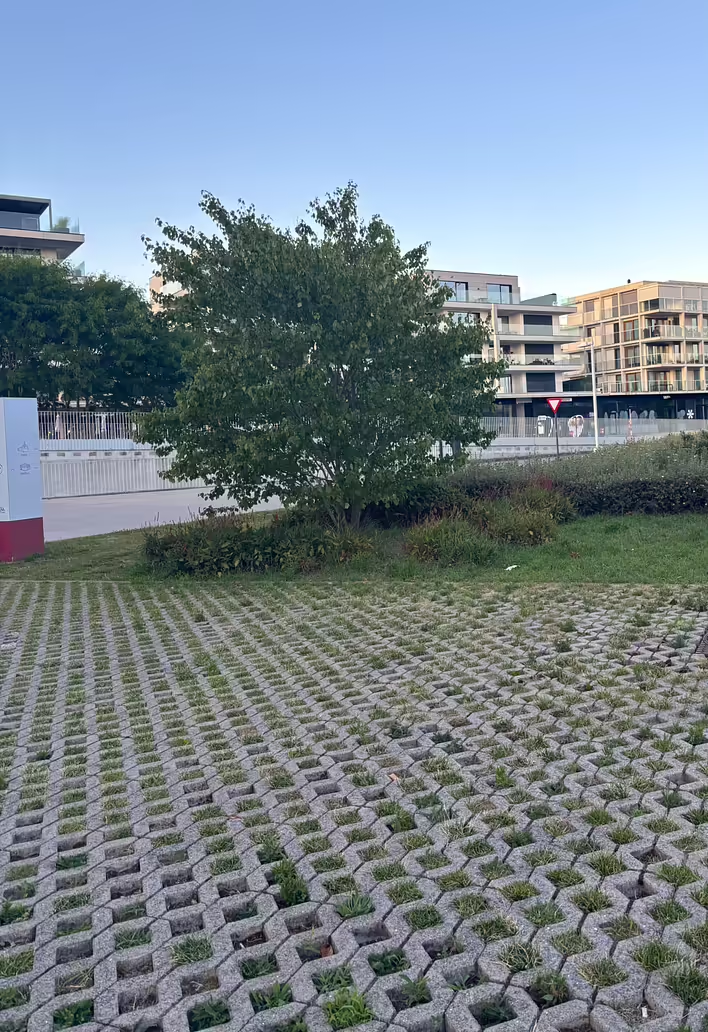
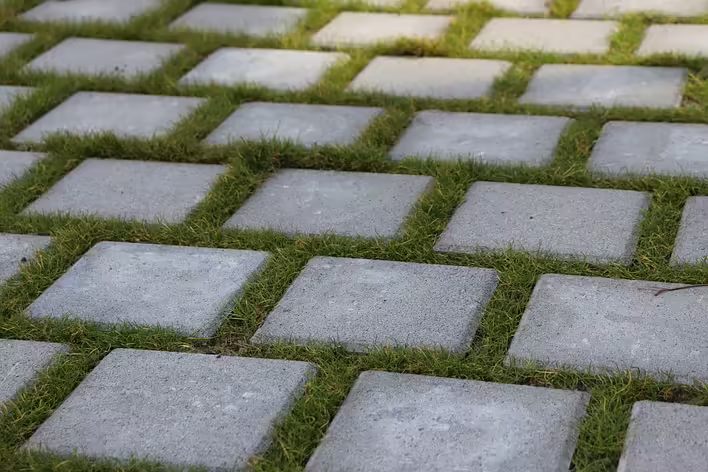
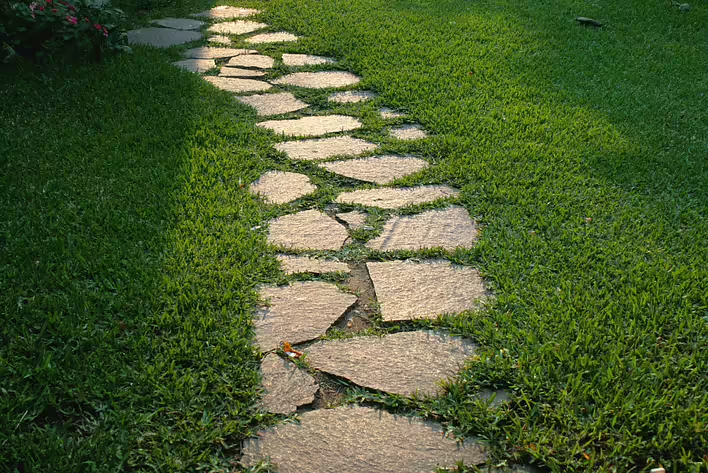
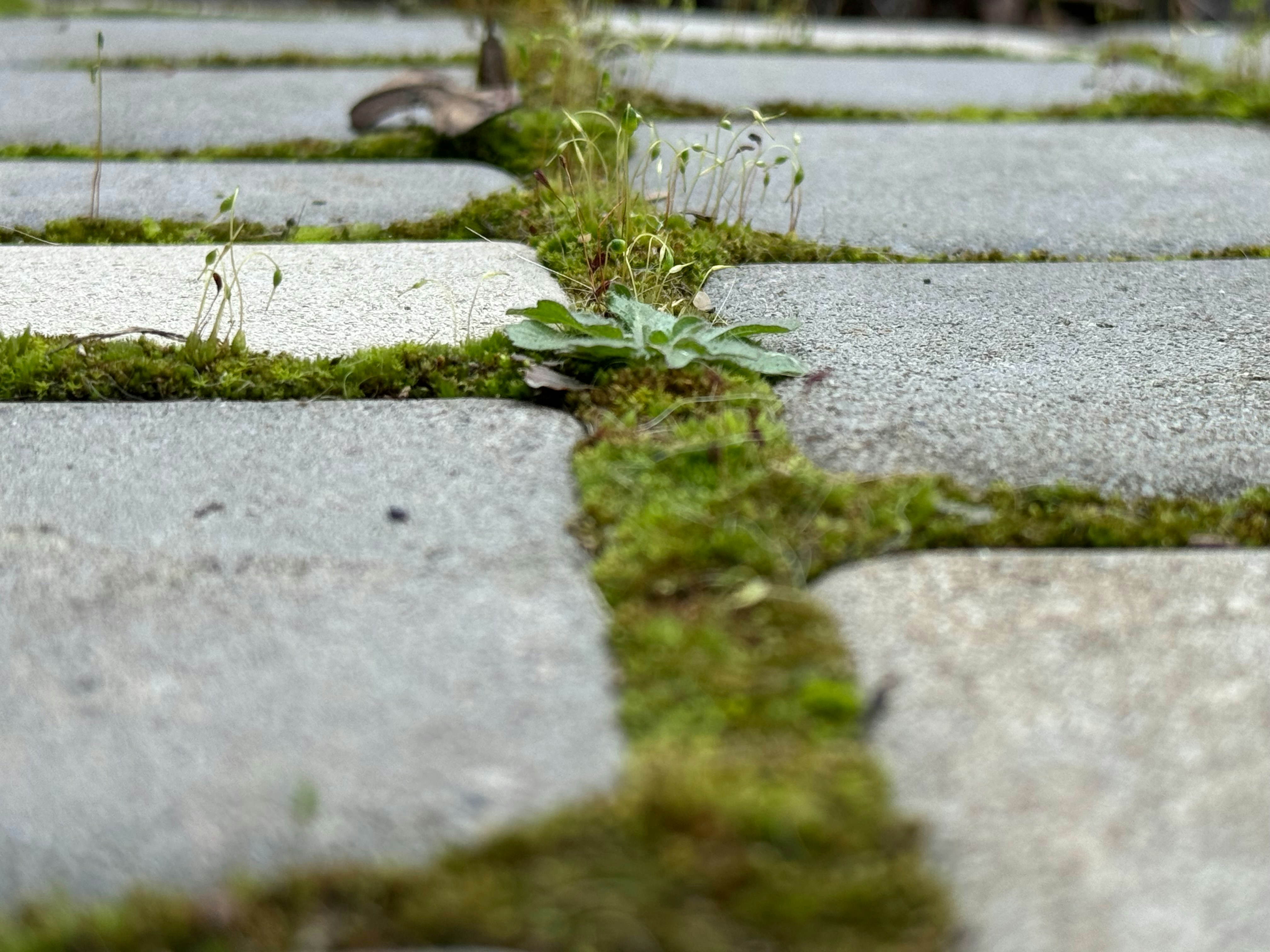
Grass grid or eco-paving (permeable paver system) — is a type of pavement consisting of concrete or plastic blocks with special holes through which grass can grow.
Purpose and structure of materials
The essence of the grass grid lies in its modular structure, which forms a strong yet permeable surface. These modular elements can be made from two main materials: concrete or plastic.
1. Concrete grass grid is the most common type. It is produced from high-strength concrete and has characteristic cavities — often in the shape of honeycombs, crosses, or rectangles — which are subsequently filled with fertile soil and then seeded with grass.
2. Plastic grass grid is primarily made from recycled or virgin high-density polyethylene (HDPE). It is significantly lighter than concrete counterparts, which greatly simplifies its transportation and installation. Plastic grids withstand significant temperature fluctuations, and some have a flexible structure that allows them to better adapt to uneven terrain.
Principle of permeability and functioning
The main principle of the grass grid's functioning is based on ensuring permeability. Instead of creating a solid, waterproof surface that directs all rainwater to the municipal drainage system, the grass grid allows water to gradually seep through the soil-filled holes. This process occurs effectively due to the presence of a specially prepared drainage layer (of gravel, sand) located beneath the grid, which accumulates and filters water before it further penetrates into the lower layers of soil.
Environmental and functional advantages
From an environmental perspective, such a grid helps reduce surface runoff of rainwater, which is one of its most important advantages. Water is absorbed into the soil, reducing the load on drainage systems, preventing flooding and soil erosion. The surface helps to mitigate the "urban heat island" effect, as grass and soil absorb significantly less solar radiation compared to asphalt or concrete.
From a functional standpoint, the grass grid has high strength and load-bearing capacity, allowing for surfaces suitable for regular vehicle movement, parking, and use by fire and other services. Drainage prevents the formation of water stagnation on the surface, while the system stabilizes the soil, protecting it from trampling, compaction, and erosion in areas with heavy traffic.
Care recommendations: General provisions
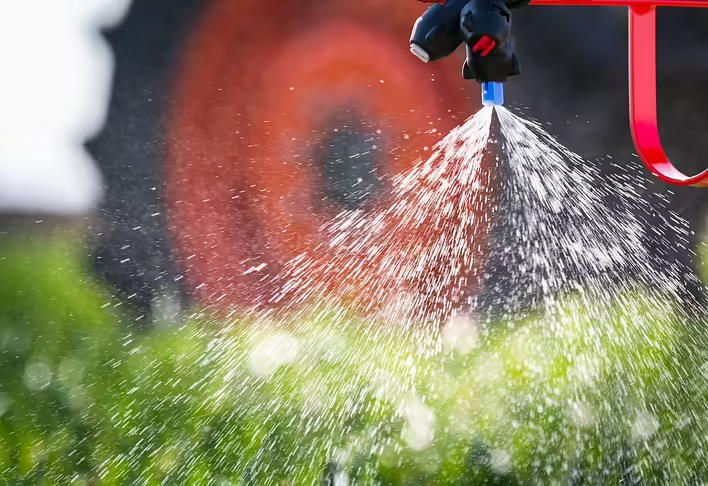
Watering is critically important, especially during the rooting stage in the first 4–6 weeks. If seeds were used, watering should be daily or every other day, keeping the soil consistently moist for successful germination and rooting. For sod, daily watering is necessary until it is fully established, and it is important that water penetrates deeply into all cells. For already rooted grass, watering becomes less frequent but more abundant, similar to the care of a regular lawn — 2–3 times a week in hot and dry weather. The optimal time for watering is early morning.
Mowing and fertilization
Mowing the grass should be done regularly as soon as it reaches the desired height. For grass grids, the recommended mowing height is slightly higher than for an ideal lawn, approximately 5–7 cm. This helps protect the grass root system from overheating and mechanical damage, as well as promotes better moisture retention in the soil, so it is important to avoid mowing too low.
Due to the limited soil volume in the cells, grass in the grass grid may require additional nutrition. In spring, it is advisable to apply starter fertilizers with a high nitrogen content to stimulate growth and ensure a rich green color. In summer, complex fertilizers can be used as needed. In autumn, it is essential to apply fertilizers with increased potassium and phosphorus content, which will help the grass prepare for the winter period and strengthen the root system. It is recommended to use slow-release granular fertilizers to ensure a uniform and prolonged supply of nutrients, always strictly following the manufacturer's instructions.
Weed control and soil topping
Weed control is another important aspect, as weeds compete with the lawn for space, water, and nutrients. Hand weeding is the most effective method for small areas — remove weeds as soon as they appear, especially before they flower and set seed. For larger areas, selective herbicides designed specifically for lawns can be used, which kill weeds without harming the grass; however, it is extremely important to carefully read the product instructions and strictly adhere to the recommended dosage.
Over time, the soil in the cells of the grass grid may settle or wash away due to rain or vehicle movement. Therefore, periodically, 1–2 times a year or as needed, it is necessary to top up the cells with a mixture of soil, sand, and compost. A mixture of 70% sand and 30% compost is usually used. After topping up, evenly distribute the material with a rake and water to compact it.
Cleaning, load control, and drainage
Clear the surface of the grass grid from fallen leaves, branches, dirt, and other debris. Clogging of the holes hinders the penetration of water and air and can create favorable conditions for weed growth or the development of fungal diseases. For cleaning, you can use rakes, brooms, or blowers.
During operation, it is important to monitor the load and usage. The grass grid is designed to withstand significant loads, but try to distribute vehicle movement evenly across the area to avoid excessive soil compaction in certain places and prevent premature wear of the grid. Avoid prolonged parking of heavy vehicles in one spot, especially in hot weather, as this may cause "burning" of the grass. Heavy construction equipment that may damage the structure of the grid should also not be used. Continuously monitor the effectiveness of the drainage system located beneath the grass grid. If water stagnates on the surface for an extended period after heavy rain, this may indicate problems with the drainage layer, such as compaction or clogging. In such cases, consultation with a specialist may be required.
Features of winter care
Regarding winter care, avoid using metal shovels or heavy snow removal machines that can damage the grass or the structure of the grid itself; it is better to use plastic shovels or light snow removal equipment. Also, if possible, do not allow large, long-lasting snowdrifts to form in one area, as this may contribute to the grass's suffocation.