The word “nostalgia” comes from Greek: nostos — return home, and algos — pain. Initially, it described the longing for one's homeland in travelers or soldiers. Today, we use it more broadly — as a warm yet slightly sad memory of the past.
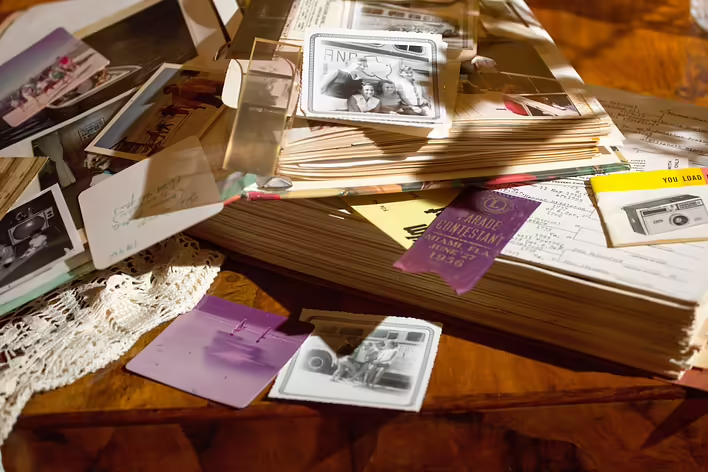
Everyone has moments when an old song from childhood gives them chills, the scent of their mother's perfume transports them decades back, or an old photo evokes a wave of warmth. This is nostalgia — a feeling that simultaneously wounds and heals.
But why do we love to reminisce about the past so much? Why do we sometimes want to go back “there,” even when everything is fine in the present? Let’s figure it out.
The psychology of nostalgia
From a psychological perspective, nostalgia serves an important function. When we recall happy moments, the brain activates areas associated with the reward system and releases so-called “happiness hormones” — dopamine and serotonin. That’s why memories can lift our mood and even reduce stress levels. Moreover, during periods of instability and crisis, people often turn to the past, as it seems understandable and safe. Memories help us realize who we were and who we have become.
Nostalgia in culture and media
Today, nostalgia is noticeably manifested in fashion, where styles from the 90s and even the early 2000s are revived, in music, where old hits return as remixes or become popular again thanks to social networks, and in cinema, where Hollywood actively creates remakes of iconic films to evoke familiar emotional sensations in viewers. Social networks themselves fuel nostalgia by regularly offering us memories from a few years ago. Brands also eagerly use this tool: they bring back retro packaging designs, release “classic” collections or products related to the childhood memories of their target audience. All of this works because we buy not just a product or service, but also an emotion that reminds us of times when everything was simpler and safer.
Impact on the present
The influence of nostalgia extends far beyond marketing. It is actively present in art, as artists often turn to the past as a universal code understood by all. It has therapeutic significance, as numerous studies prove that people who allow themselves to occasionally immerse in the past more easily overcome feelings of loneliness and have a lower risk of depressive states.
Nostalgia during war
In peaceful life, nostalgia is associated with warm little things, but during wartime, this feeling becomes much deeper and more tragic.
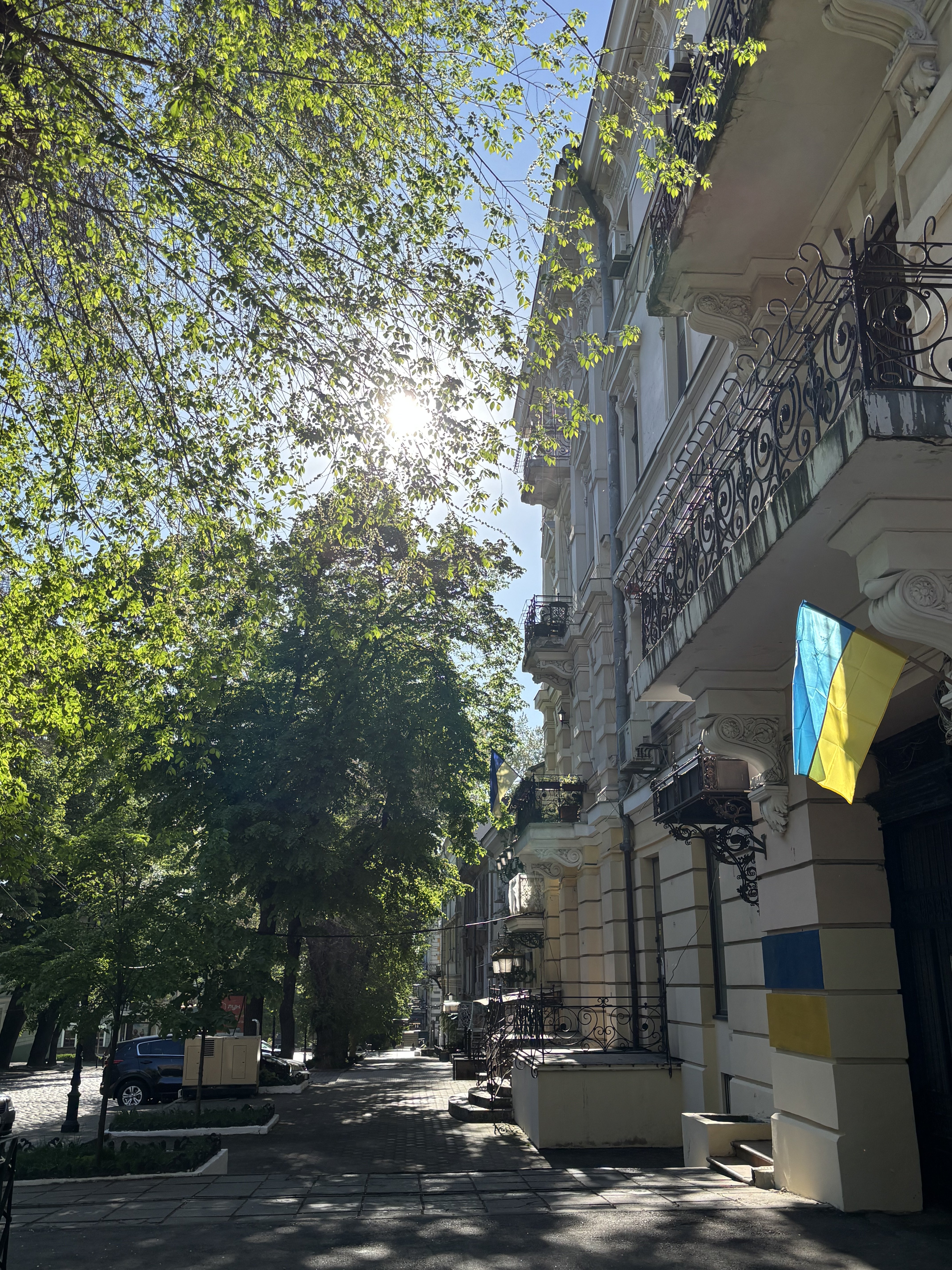
For many Ukrainians, the word “home” today sounds like something ghostly. Some are forced to leave it, escaping from explosions, while others have lost it forever — in flames or under rubble. And then nostalgia becomes not just a memory of a carefree childhood or youth, but a pain for what has been destroyed. It is a longing for a lost home, for a city that has been bombed, for a yard where the laughter of children can no longer be heard. It is the pain for familiar places that cannot be returned to, as they are either destroyed or occupied. A person keeps in memory the scent of their home, the layout of the streets, the familiar faces of neighbors — all that has suddenly become unattainable.
A person wakes up in a strange room, on a strange street, and finds that everything around seems temporary, like a set, while real life has remained where there is no longer safety.
Nostalgia in wartime realities feels different: it mixes tenderness and loss, warmth and sharp pain. It looks like a photo on a phone screen that one wants to look at again and again, to at least mentally return to a familiar life. It can be a habit of saying “at home,” even if the home is destroyed. It is tears in the eyes from an old song that used to play just as background music, but now reminds of pre-war times when everything was “normal.”