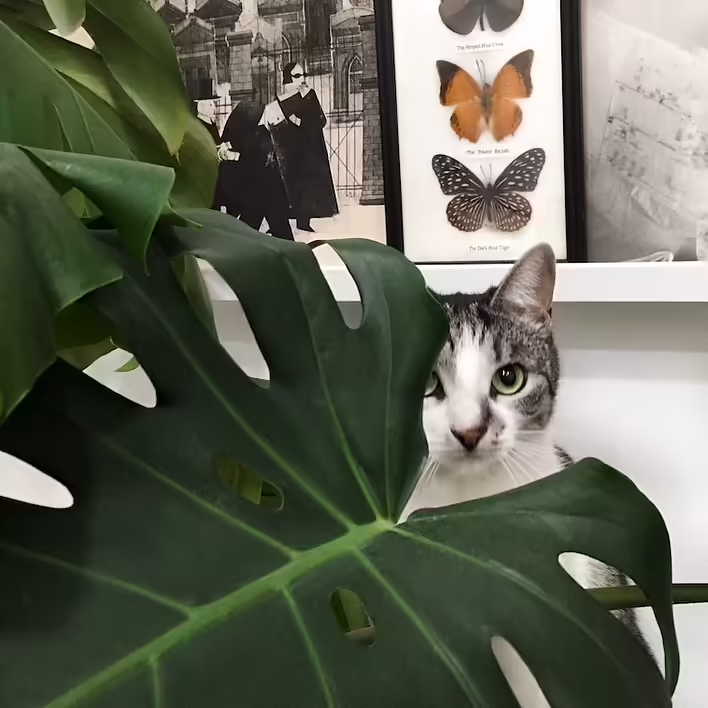
The Monstera plant contains a number of substances that can be potentially harmful to cats if consumed in large quantities. The main issue is that Monstera contains calcium oxalate, which can cause irritation to a cat's mouth, throat, and stomach.
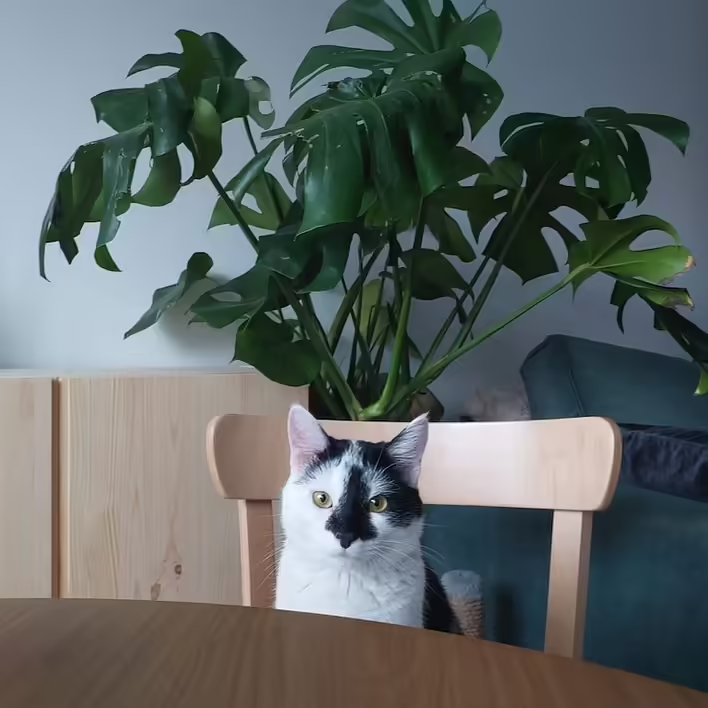
Кіт та Монстера (Monstera)
Can calcium oxalate cause poisoning in cats?
Calcium oxalate (CaC2O4) is a chemical compound that can be found in natural sources as well as in some plants, such as Monstera. In cats, calcium oxalate poisoning is unlikely, as this compound has low toxicity.
If a cat eats a lot of the plant, symptoms such as drooling, vomiting, nausea, or skin irritation may occur. In this case, it is important to consult a veterinary specialist for an assessment and necessary treatment.
What to do if a cat bites a Monstera? How dangerous is it?
If the animal bites a Monstera - it is not critical. The plant is unfortunate, and you should monitor your pet.
Most likely, you do not know how much calcium oxalate has entered the animal's body. There is also no information about the condition of the internal organs and chronic diseases of the fluffy one.
If symptoms appear (difficulty breathing, drooling, vomiting, or nausea) - contact a veterinarian as soon as possible.
If there are no symptoms, or there is mild irritation (scratching ears or something similar) - continue to monitor and move on to the next step - hide the Monstera from the animal.
Will a cat bite a Monstera?
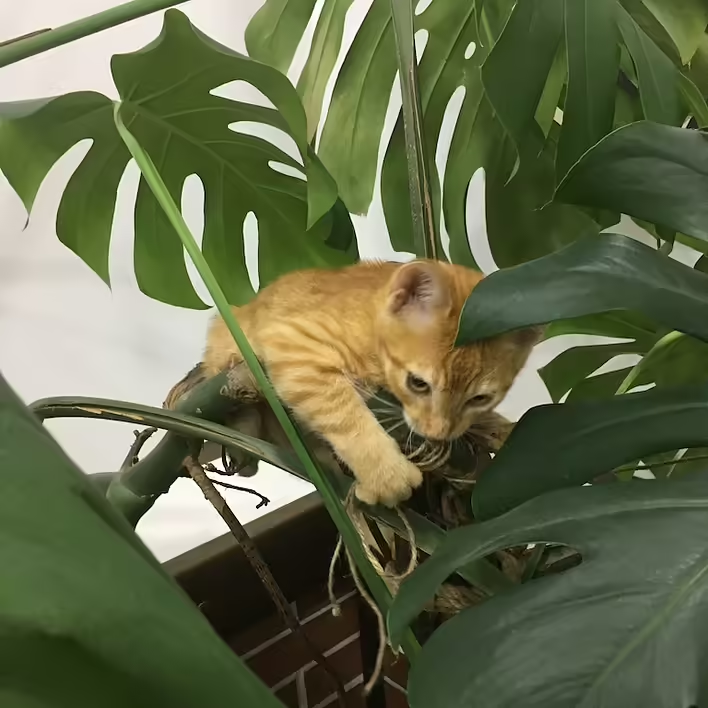
It depends on the animal. Some animals are curious about Monstera, while others are not. The Monstera itself does not provoke the animal to bite or eat it. However, it is impossible to get into the animal's head and know its intentions and preferences. So the best option is to hide potentially dangerous plants. Small kittens are more likely to play with the Monstera and may bite it.
Кошеня гризе монстеру
As a precaution, it is recommended to keep Monstera and other plants that may be harmful to cats out of reach or use barrier methods such as special nets or fences to prevent the cat from accessing them.
In general, it is better to prevent the cat from accessing the Monstera, as this will help avoid potential problems and ensure the safety of your pet.
How to protect your Monstera from being chewed by your pets?
Move all potentially dangerous plants to another room. This is the best barrier method.
Spray the plant with something that the animal will not like. If it is not possible to move the plant to another room, try spraying the plant with lemon essential oil. Animals do not like the smell of citrus. However, the reliability of this method is very low - some animals respond normally to this smell. Also, the smell tends to dissipate. Constantly spraying plants is not a very interesting activity. Considering options like pepper or vinegar is not a good idea either. This can harm the plant, the animal, and spoil the smell in the room.




![[Fixed] The vacuum cleaner whistles like crazy - Rowenta power xxl cyclonic](https://cdn.tseivo.com/uithmzmcd456bo90anyvc5k2yoh0)