Smoke flavoring in cooking – is a technology for processing products with smoke (sorry for the tautology) or volatile aromatic substances (gases/vapors) to give them a certain taste and aroma. Essentially, it is nothing more than "flavoring" with gas. In cooking, this technique is applied when the product does not necessarily need to be thermally cooked, but it is important to provide a pronounced aroma or reduce microbial load.
Where is smoke flavoring used?
In cooking, several main directions of the technique can be distinguished:
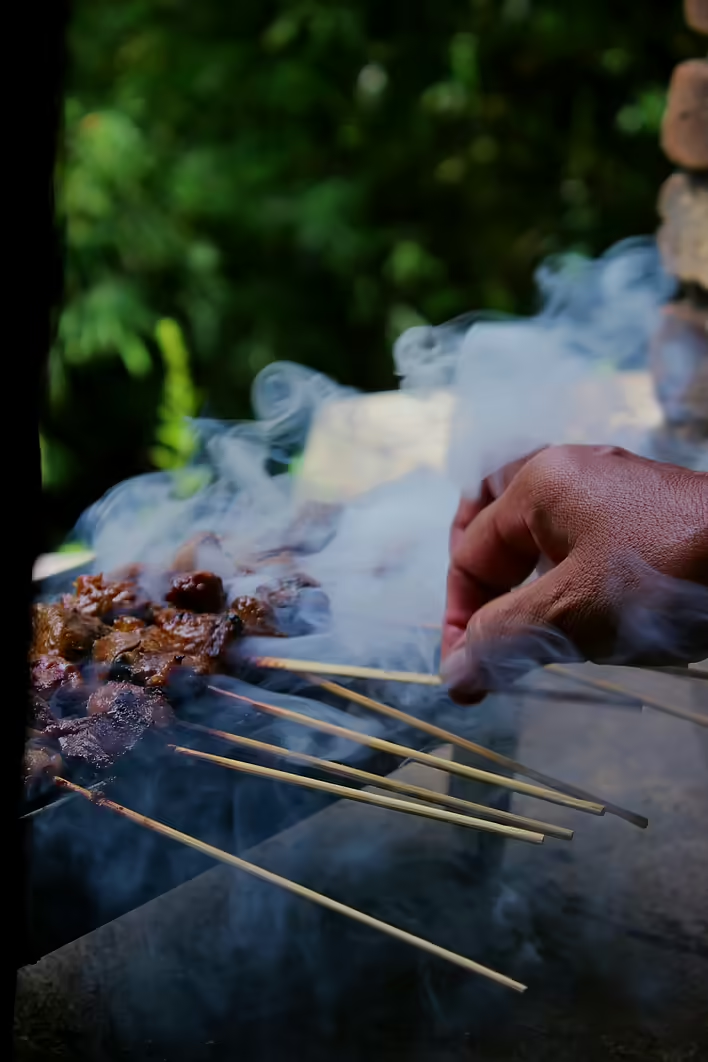
cold smoking (smoke = aromatic gas). Have you tasted fish prepared this way? Confess in the comments ;)
hygienic treatment of raw freshwater fish and seafood with smoke (to remove the "muddy" smell)
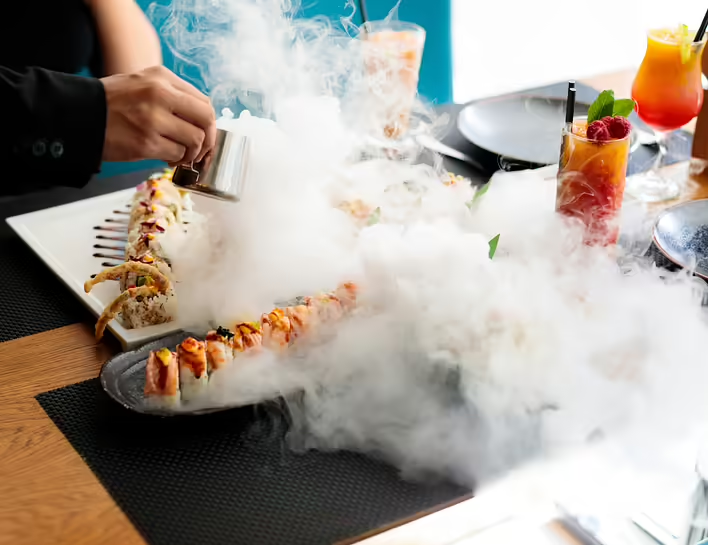
sushi and steak bar techniques: serving dishes under domes filled with aromatic smoke (tea, citrus, wood).
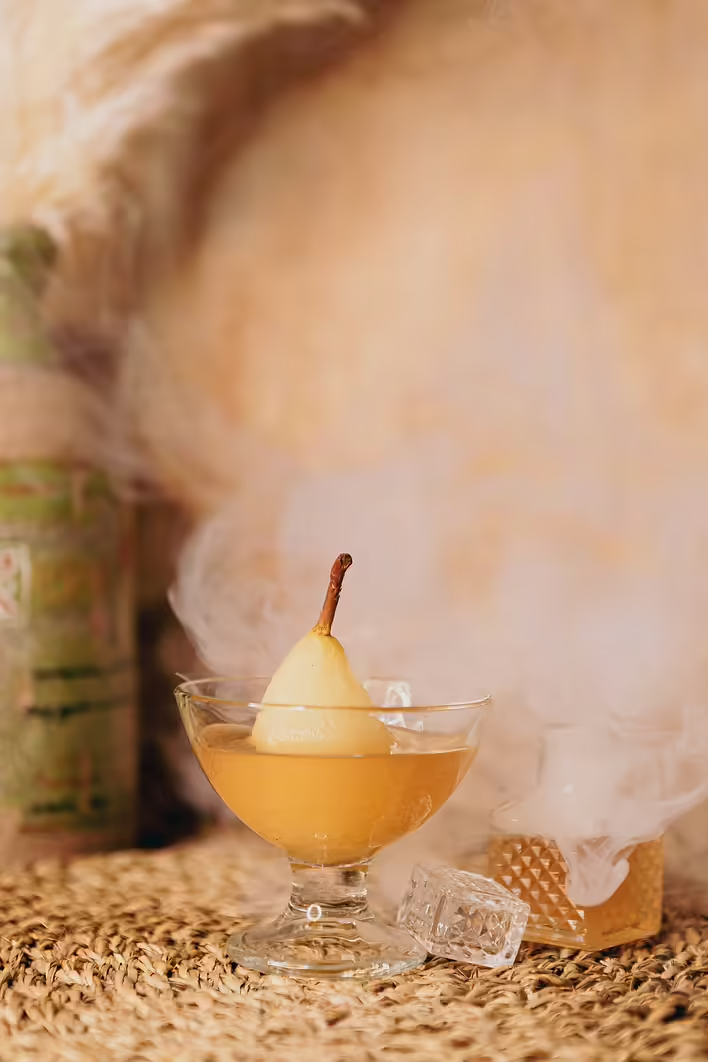
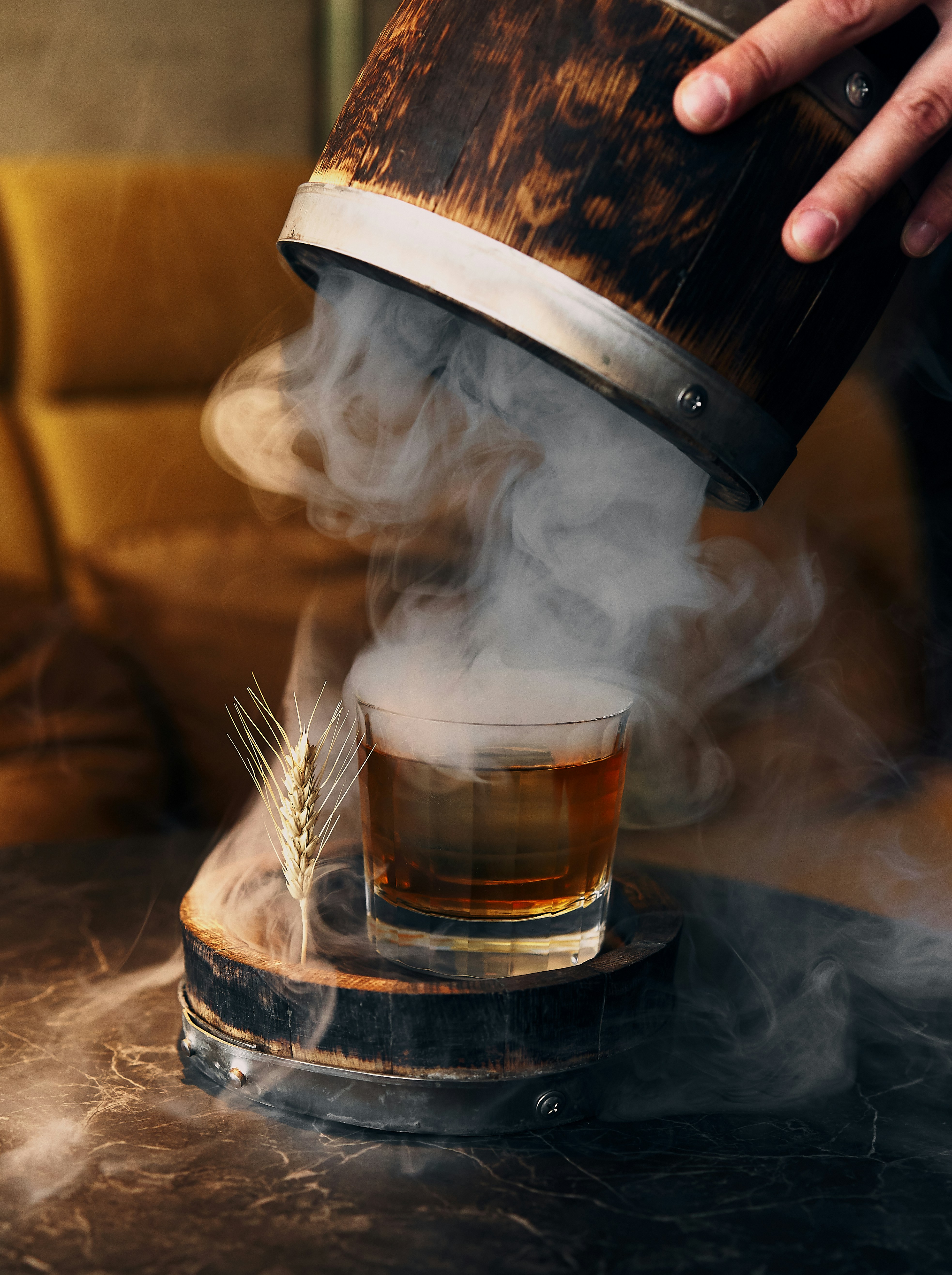
flavoring beverages: for example, cocktails smoked with barrels or herbs.
less frequently – antimicrobial treatment of nuts, spices, dried fruits (mostly in industry, and more about fumigation to get rid of pests).
Smoke flavoring is not just smoking. After all, the temperature of the smoke can be very low, and the smoke itself can be replaced with volatile oils, herbs, alcohol, or even CO₂ with added aromas. The goal of fumigation is often not the treatment for long-term storage of products, as in smoking, but more of a sensory effect.
In modern gastronomy, smoke flavoring is often presented as a "show": the dome is opened, the smoke escapes, and the dish immediately smells of fresh cedar, rosemary, or unique Chinese tea lapsang souchong.
How does smoke flavoring differ from fumigation and smoking?
The key difference lies in the method of aroma transfer and the purpose of the treatment.
Smoking is a process that is noticeably closer to thermal processing. Here, smoke is used not only as a flavoring agent but also as a means of preservation. The product changes its structure, is partially "dried," and its microflora is suppressed. The temperature can vary – from "cold" within 40-50 degrees to "hot" above 80 degrees. But the result almost always also affects the shelf life.
Fumigation, on the other hand, is also an effect of smoke. But it is not used directly in cooking, but to combat pests in food products, especially grains and legumes. And the fumigator is a device that we are more familiar with from mosquito extermination in the summer (hello, Raid ads from the 2000s).
Thus, smoke flavoring in cooking does not transfer heat to the dish or change its consistency. Haute cuisine uses it as a tool: quick, spectacular, and precise.