Among the modern hot sauces that have won the hearts of chefs and gourmets around the world, a special place is occupied by Sriracha. It is often referred to as Sriracha, Siracha, and Americans also frequently call it “rooster sauce,” but more on that later.
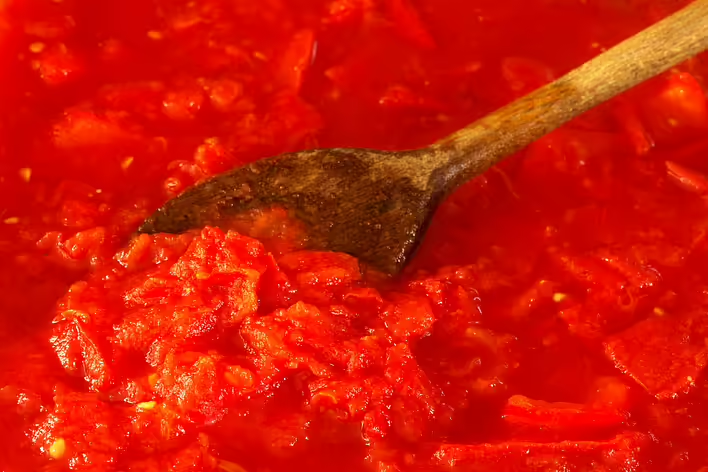
Actual Sriracha is a spicy-sweet sauce of a rich red-burgundy color with a quite pronounced flavor. It balances the heat of chili peppers, a barely noticeable acidity from vinegar, and gentle sweetness. It perfectly complements Asian soups, noodles, seafood, meat dishes, as well as burgers, hot dogs, and even pizza.
Origin
The homeland of Sriracha is Thailand. However, there are several versions of its origin. According to one of them, in the 1930s, it was invented by a cook (AI confidently states her name was Than Si Khum, but this is not certain) in the coastal town of Si Racha (hence the name), by mixing chili pepper powder, garlic, vinegar, sugar, and salt. Initially, it was a homemade dip sauce for serving with seafood. But due to the successful combination of flavors, the new sauce gained popularity among locals. And it was only a matter of time before commercial production began. One local businessman started buying up all the sauce ingredients and began producing his own under the name “Si Racha Phanich.”
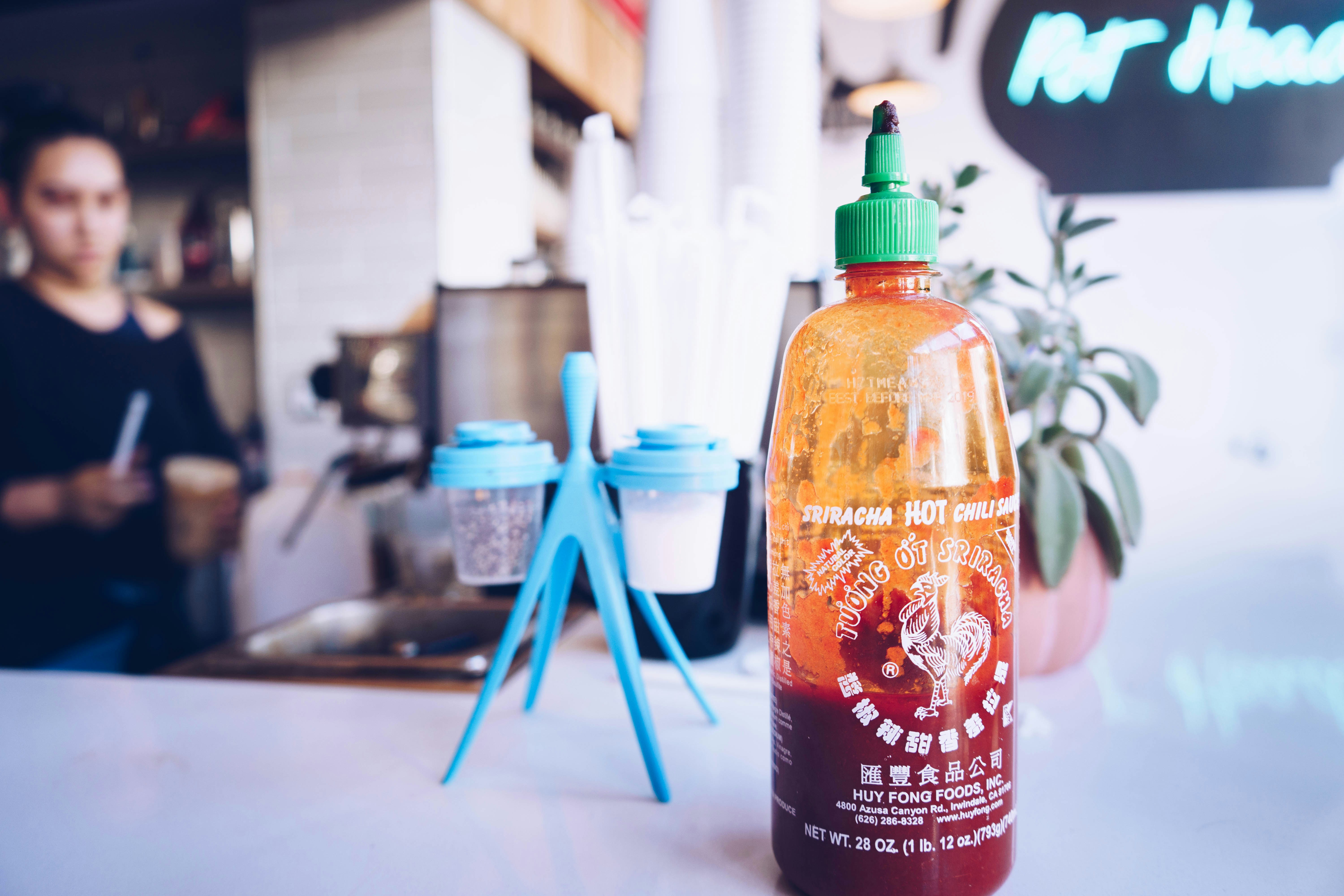
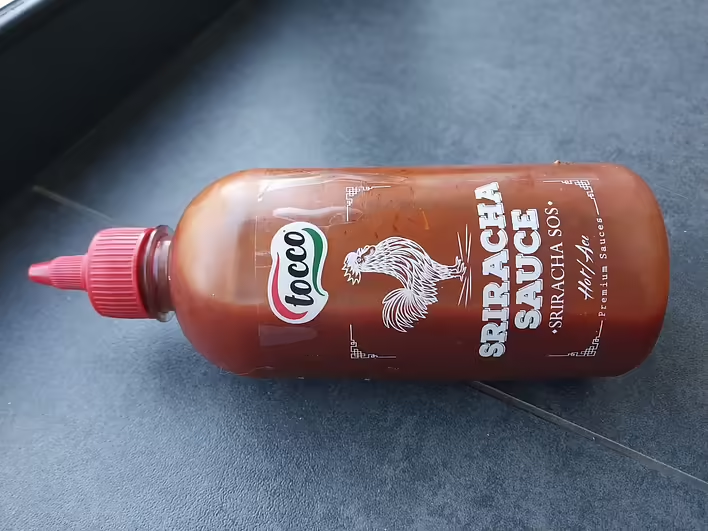
Population migration also made its adjustments to the sauce's expansion across the globe. We have already mentioned that in the USA, Sriracha is known by the slang name “rooster sauce.” This is all due to the image of a rooster on the bottle label. Why is that? Because the sauce production in the USA was started by an immigrant from Vietnam, who produced it under the brand Huy Fong Foods. And on the brand's logo is depicted none other than a rooster.
Ingredients, Flavor Profile
The classic composition of Sriracha is practically unchanged and does not differ from the original recipe. Its ingredients are:
red chili pepper
garlic
sugar
vinegar
salt
sugar
water.
Such a simple, at first glance, combination of ingredients creates a multifaceted taste: hot, but not aggressive, sweet-sour, slightly garlicky. Thanks to this, it does not overpower the dish but rather enhances its flavor. Well, and then your mouth is on fire, but that's subjective.
Usage in Cooking
Sriracha sauce is extremely versatile:
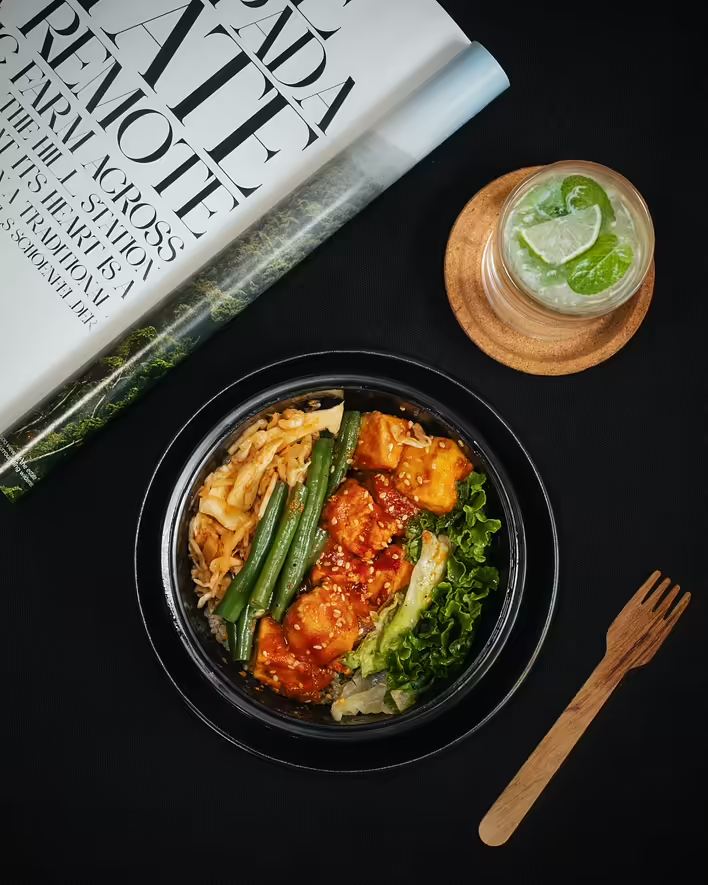
added to pho, ramen, noodles
perfect for seafood and chicken
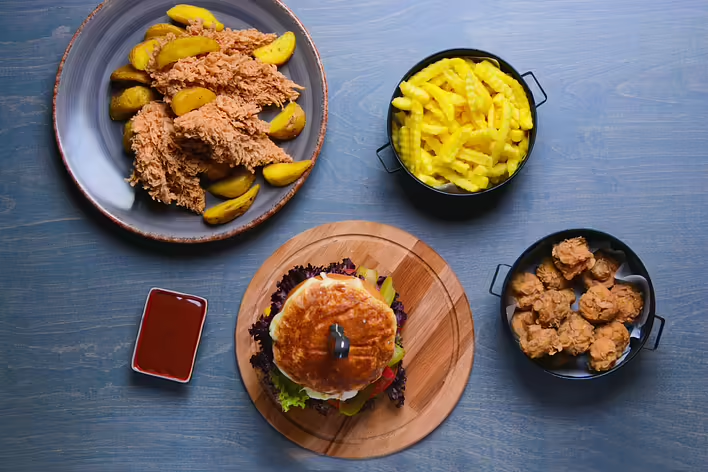
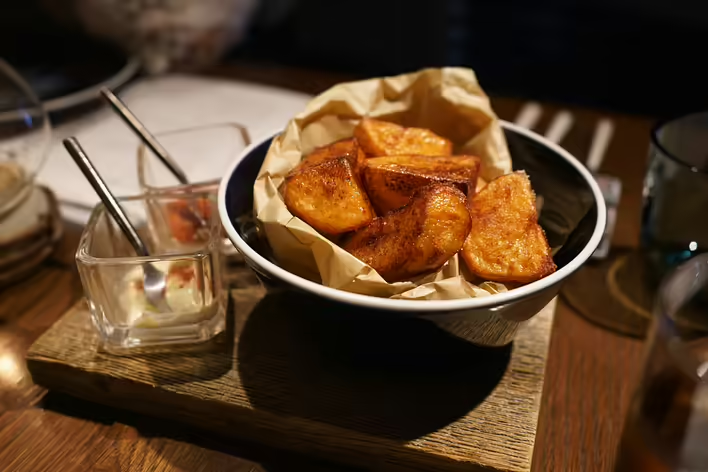
used as a sauce for burgers and fries
included in recipes for sushi and rolls;
even mixed with mayonnaise or ketchup for a milder version that won't burn your mouth and butt the next day.
Why is Sriracha so Popular?
The secret to Sriracha's popularity lies in its balance. It is spicy enough to add “fire” to a dish, but at the same time milder compared to pure pepper sauce. It is not as sour as Tabasco and not as throat-burning as peri-peri. It is a versatile sauce that pairs equally well with Asian cuisine, classic American fast food, and even European fusion. Sriracha is more than just a hot sauce. It is a culinary accent that adds character and expressiveness to any dish.