This content has been automatically translated from Ukrainian.
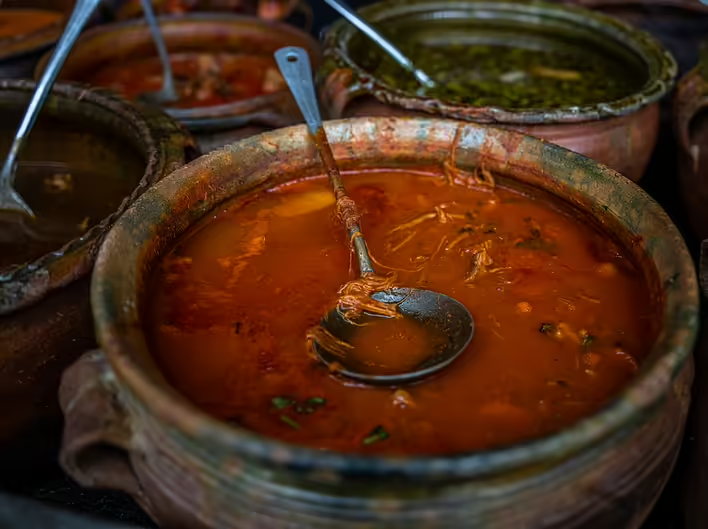
In cooking, five “basic” or "mother" sauces define the foundation of French gastronomy classification – a system established by chefs Carême and Escoffier. We have already talked about béchamel and velouté, so in this post, we will get to know the next representative of the five – sauce espagnole. This is a rich, deep-flavored brown sauce based on meat broth and dark roux. It creates the foundation for many derivative sauces and dishes.
History of Origin
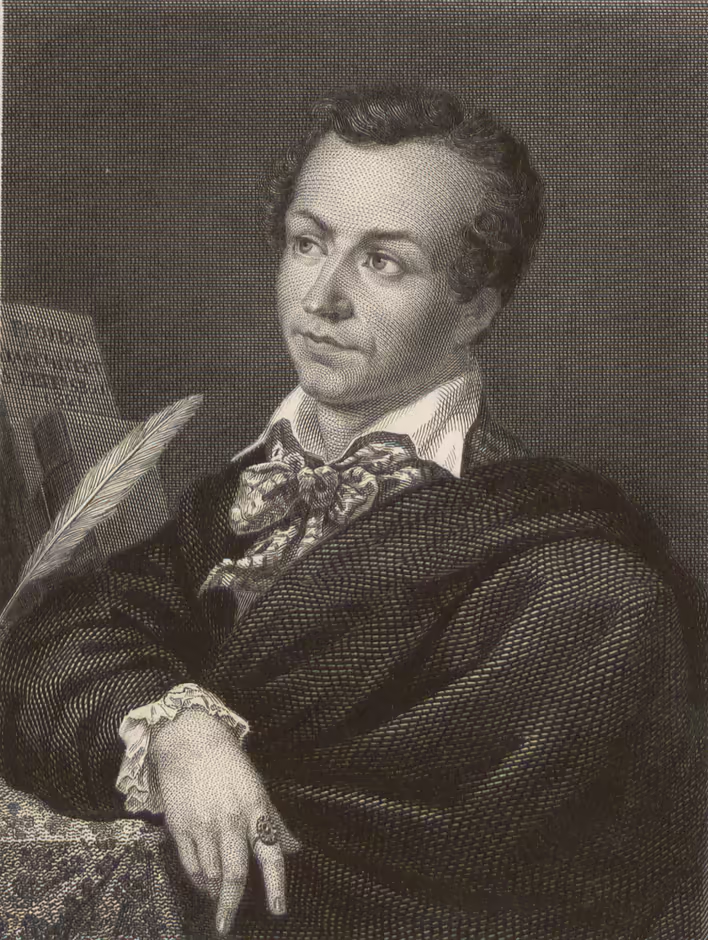
Espagnole has an interesting and colorful name, literally "Spanish." Although it is entirely… French! According to one version, it was named for its reddish-brown color and due to the influence of Spain (Spanish chefs added tomatoes to the basic sauce from the 17th century). In the 19th century, chef Antonin Carême systematized it as a basic sauce, and Auguste Escoffier confirmed the significance of espagnole in his classification of the "five mother sauces."
Ingredients, Basic Recipe
To prepare the classic sauce espagnole, we will need:
- brown roux (butter + flour, roasted to a dark golden color)
- dark broth (beef or veal, preferably based on previously roasted bones)
- mirepoix – finely chopped carrot, celery, and onion
- tomato puree, bay leaf, herbs, pepper.
The cooking process is as follows:
- in butter, sauté mirepoix until soft
- add flour, preparing the same dark roux
- pour in hot broth, add tomato puree, spices, and simmer until thickened, adjusting to taste if necessary.

Where It Is Used in Cooking
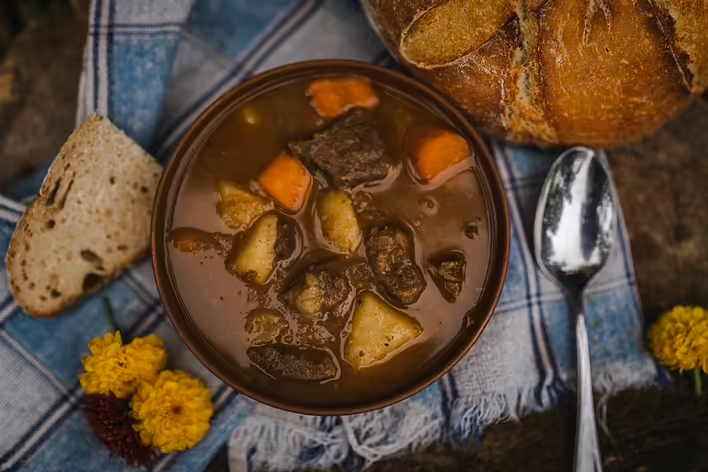
Espagnole is the “heart” of heavy meat dishes. It pairs perfectly with braised beef, lamb, game, or steaks, especially in haute cuisine. It is often used as a base for braising liquids or as a sauce for sautéed mushrooms.
Espagnole opens the door to the world of derivative sauces. Among the most famous:
- demi-glace: half-reduced espagnole, sometimes with wine (sherry), a base for signature sauces
- chasseur: with mushrooms, shallots, white wine
- bordelaise: with red wine, thyme, and capers
- robert: with mustard, white wine, and marinade
- Africaine: with paprika, pepper, herbs.
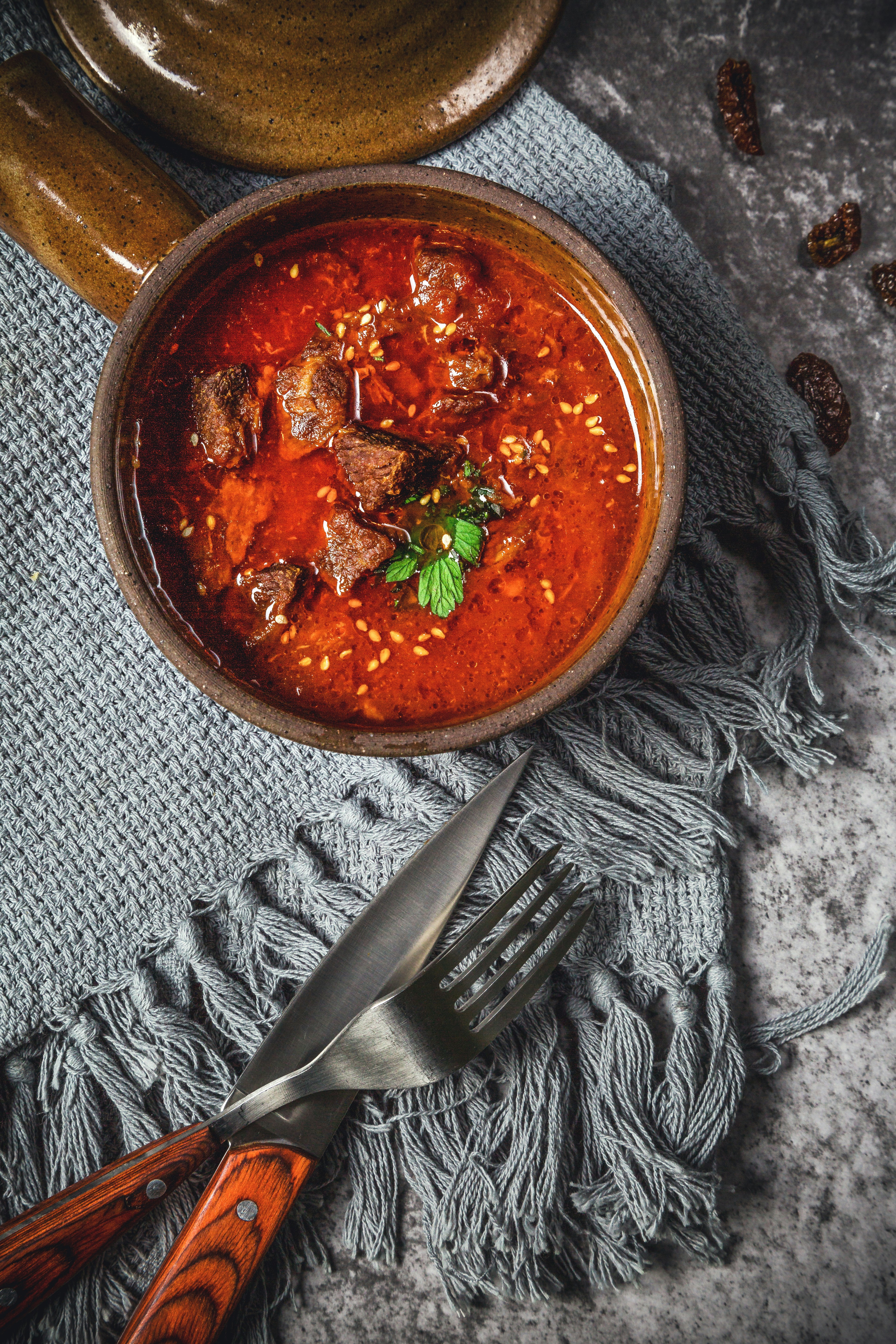
Thus, we can conclude that sauce espagnole is one of the pillars of French cuisine that makes dishes deep and luxurious. It has become the base for dozens of exquisite sauces that elevate the flavor of dishes to a new level.
Like it?React
🧵
This post doesn't have any additions from the author yet.