Hollandaise sauce (sauce hollandaise), also known ashollandaise – another representative of the five classic "mother" sauces of French cuisine, without which it is hard to imagine classic gastronomy. We have already talked about the previous ones – béchamel, velouté, and espagnole, so now it's time for this representative of the family.
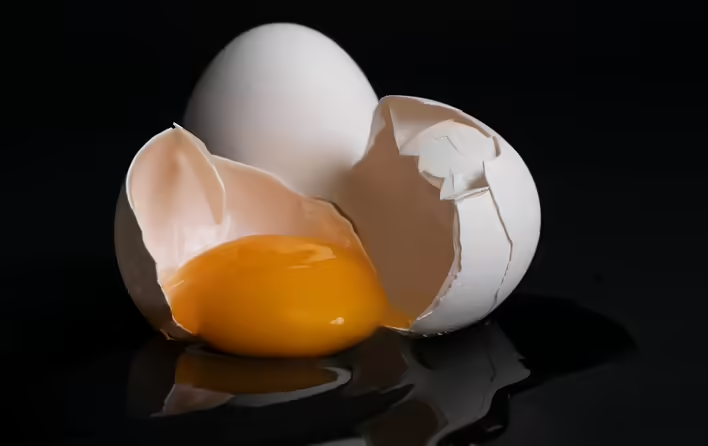
Let's start with the base of hollandaise sauce. It is an emulsion of egg yolks, melted butter, and lemon juice. It has a silky texture, a delicate lemon-butter flavor, and serves as the base for many other sauces. In culinary circles, it is known for its finicky preparation, as it requires precise temperature control and whipping technique.
History and Origin
Despite its name, “hollandaise” sauce has nothing to do with the Netherlands. Its recipe was formed in France as early as the 17th century. It is likely named after the high-quality Dutch butter that was imported to France at that time. The sauce in its modern form was first described by Antonin Carême, and later solidified in his work “Le Guide Culinaire” by Auguste Escoffier.
Cooking Features
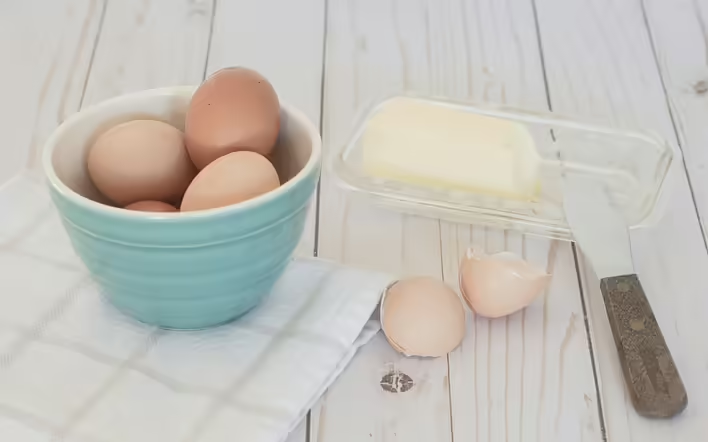
Hollandaise is prepared by emulsifying egg yolks with melted butter, seasoned with lemon juice, salt, and white pepper. It is a warm sauce. And this is its main feature: it requires precise temperature control during preparation to prevent the yolks from curdling. The finished sauce has a smooth, glossy consistency and a pleasant acidity.
The classic recipe for preparing hollandaise sauce is as follows:
Preparing the yolks. In a metal or glass heatproof bowl, combine the egg yolks with a small amount of water or lemon juice. This makes the mixture more stable against separation.
Double boiler. Place the bowl with the yolks over a pot of hot (but not boiling!) water. Whisk constantly until the yolks thicken and lighten in color. It is important to ensure that the temperature does not exceed 65-70 °C, otherwise the yolks will curdle.
Adding the butter. Slowly pour in the melted butter in a thin stream while constantly whisking. Start by adding just a little to initiate the emulsification process, then pour in the rest.
Taste balance. At the end of cooking, add lemon juice to acidify the sauce and season with salt and pepper.
The sauce is served warm, immediately after preparation, as it often loses its texture when reheated.
💡 Tip from chefs: if the sauce starts to separate, it can be "saved" by whisking a separate egg yolk with a spoonful of water and gradually incorporating the problematic mixture.
Where is it used?
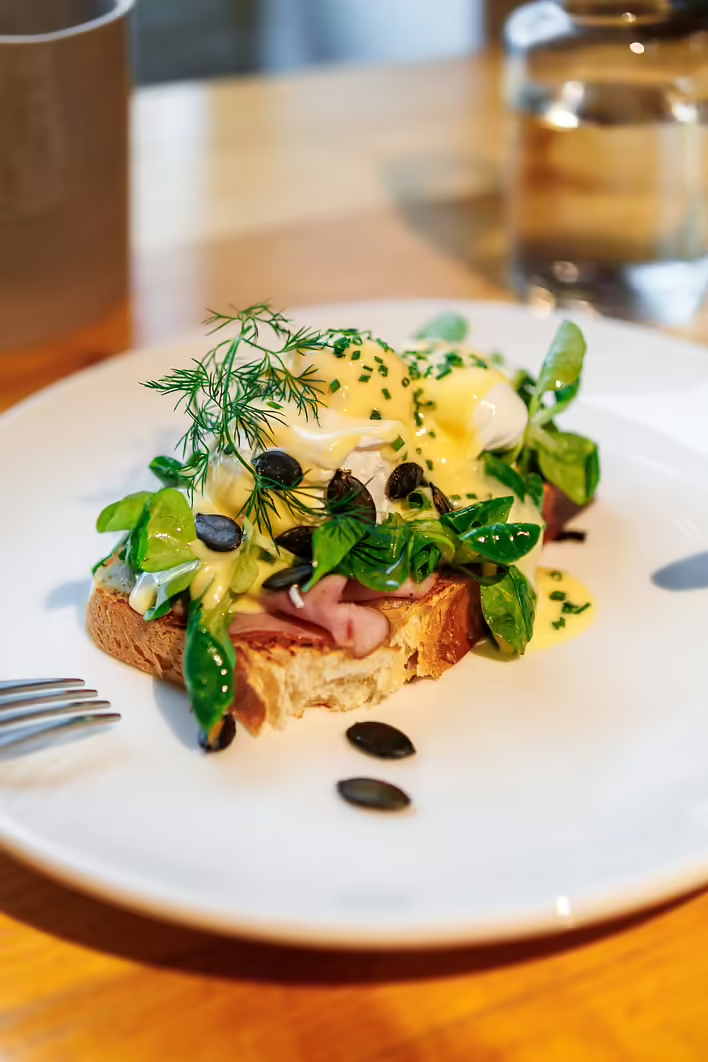
Classic: Eggs Benedict. It is the hollandaise sauce that makes them a cult breakfast dish.
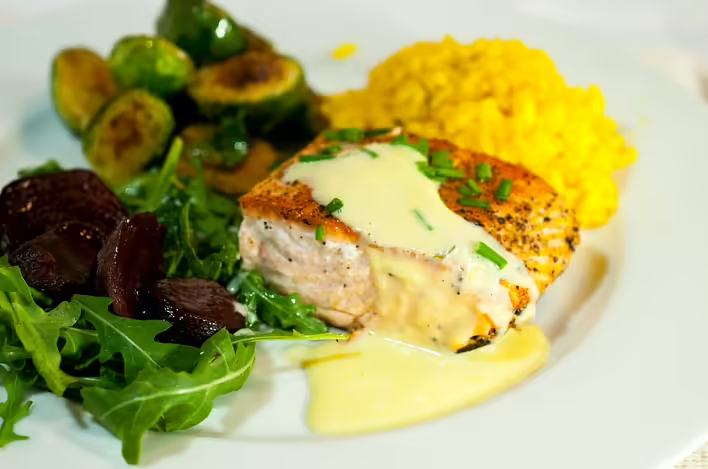
with fish. It pairs especially well with salmon, pike perch, or other delicate fish steamed or grilled.
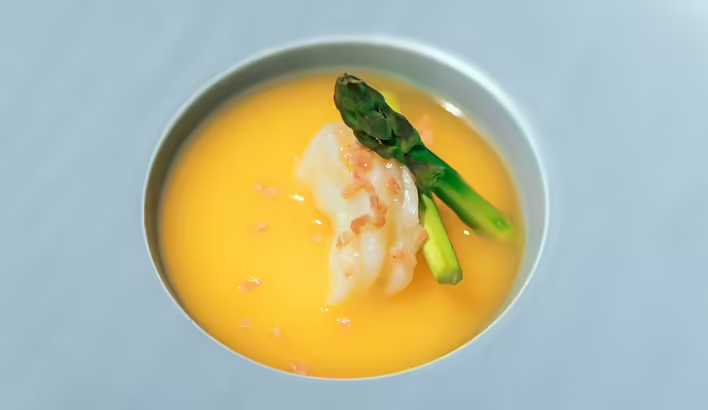
with vegetables. Traditionally combined with asparagus, broccoli, or cauliflower, giving them expressiveness.
Hollandaise sauce adds not only flavor but also a restaurant quality to dishes. Even simple asparagus or poached eggs look exquisite with it.
Based on hollandaise, new sauces are often created:
béarnaise (with tarragon and wine reduction)
maltaise (with orange juice and zest)
mousseline (with the addition of whipped cream).
Thus, we can conclude that hollandaise sauce is not only a gastronomic classic but also an example of high culinary technique. The ability to prepare it opens the door to a multitude of derivative sauces and shapes the understanding of flavor balance: the creaminess of butter, the freshness of lemon, and the slight spiciness of seasonings.