This content has been automatically translated from Ukrainian.
Imagine a world where every person, regardless of physical, social, or cultural characteristics, has equal access to education, work, culture, and opportunities for development. This is not utopia, but a goal that modern society strives for through the concept of inclusion. In this article, we will explore what inclusion is, its key principles, the challenges on the path to implementation, and why it is necessary for the harmonious development of society.
What is inclusion?
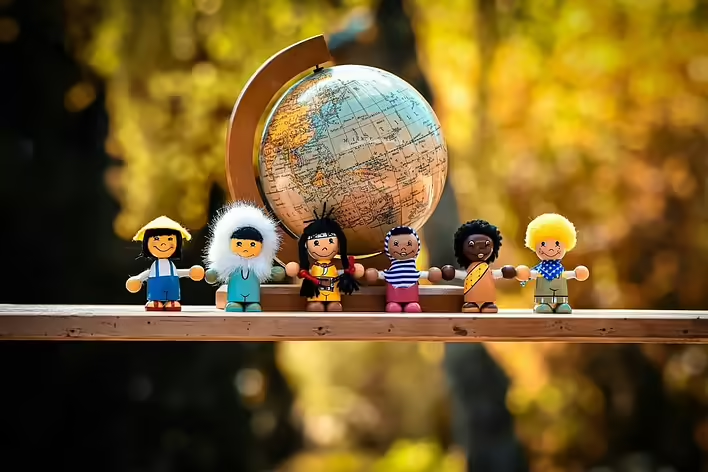
Inclusion (from Latin inclusio – inclusion) is the process of integrating all people into society on equal terms, regardless of their physical, mental, social, or other characteristics. The main goal of inclusion is to create an environment where everyone feels important and accepted, and diversity is perceived as a value rather than an obstacle.
Inclusion is not limited to helping people with disabilities. It encompasses all aspects of equality: gender, ethnic background, religious beliefs, sexual orientation, economic status, and other factors that can lead to discrimination.
Key principles of inclusion
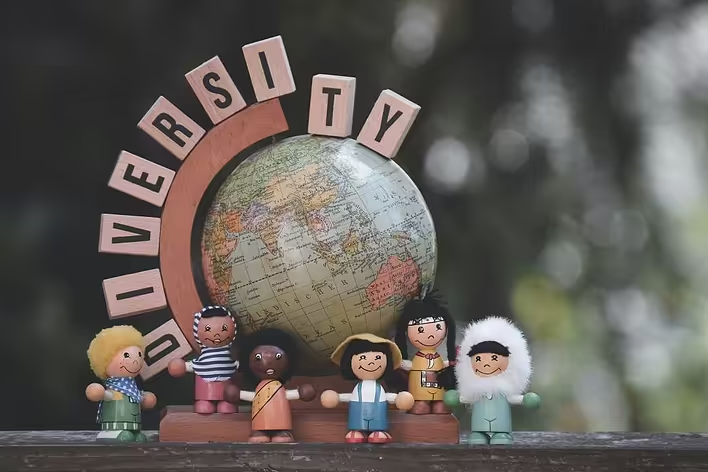
- Equality of opportunity. All people should have equal access to education, work, healthcare, culture, and other areas.
- Accessibility. This means removing physical and digital barriers, such as creating ramps, elevators, and websites that support people with visual impairments.
- Tolerance and acceptance. Society must learn to perceive diversity as the norm, not as something "special".
- Participation. People have the right to participate in decision-making that affects their lives.
Inclusion in education

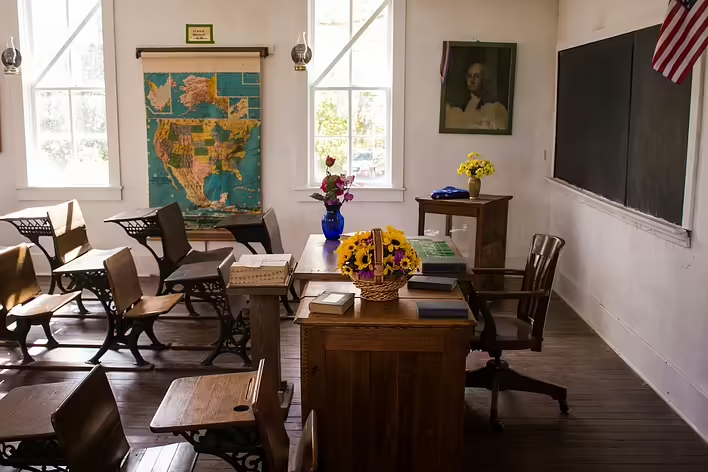
One of the most vivid examples of inclusion is education. Inclusive education means that children with different needs (physical, mental, social) learn together in regular schools. This not only allows such children to receive quality education but also helps all students develop tolerance, empathy, and understanding of diversity.
Inclusive schools take into account the needs of all students:
- Create adapted curricula.
- Involve teaching assistants to support children with special educational needs.
- Organize special training for educators so they can work with diverse children.
Inclusion in the workplace

Inclusive companies create conditions where every employee feels comfortable. This includes:
- Providing employment opportunities for people with disabilities.
- Supporting pay equality, regardless of gender or background.
- Creating adapted workplaces (for example, special chairs for people with back problems, accessible restrooms).
Such companies not only support social justice but also enhance their reputation and attract talented employees with diverse experiences.
Inclusion in culture and leisure
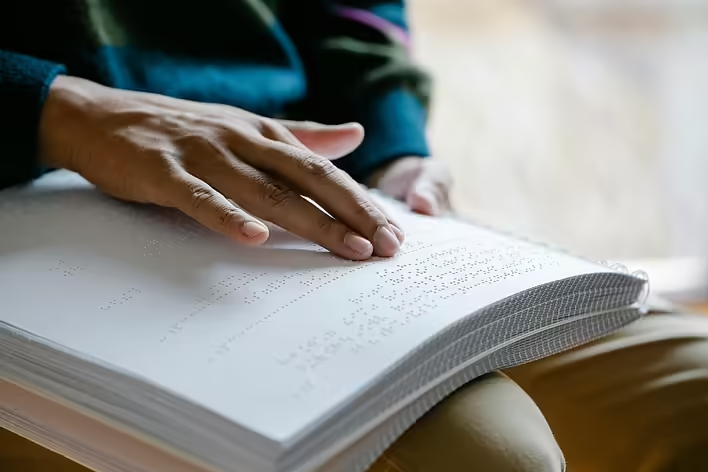
Culture and art should be accessible to everyone. Inclusion in this area means:
- Accessibility of cultural institutions (ramps, audio guides for people with visual impairments).
- Organizing events that consider the needs of different groups (for example, performances with sign language interpretation).
- Inclusivity of content that reflects the diversity of modern society.
Infrastructure: what do inclusive cities look like?
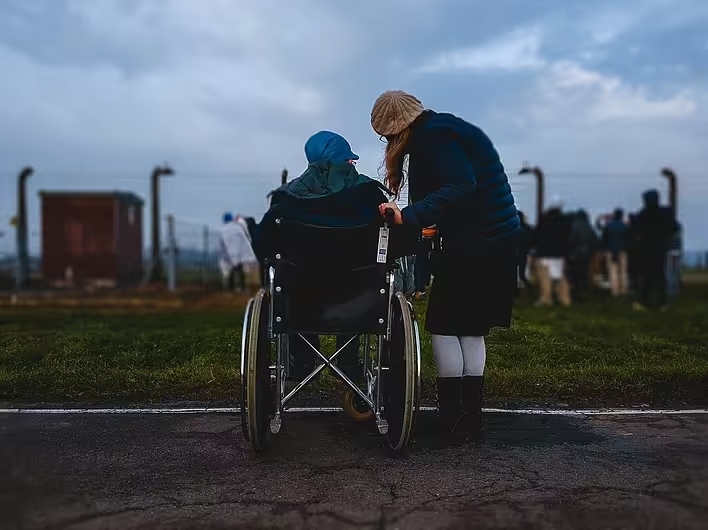
Inclusion in urban planning is more than just building ramps. It is about creating spaces that are accessible to everyone, regardless of their abilities. An inclusive city:
- Has accessible public transport.
- Is equipped with tactile signage for people with visual impairments.
- Ensures barrier-free access to public buildings.
- Contains recreational areas that consider the needs of the elderly and children with disabilities.
Why is inclusion important?
- Humanity. Inclusion shows that we, as a society, value every person.
- Societal development. Equal access to education, work, and resources fosters new ideas, talents, and solutions that benefit everyone.
- Social harmony. Inclusion reduces discrimination, prejudice, and conflicts.
Barriers to inclusion
Despite all the advantages, inclusion faces numerous challenges:
- Financial costs. Creating accessible infrastructure or adapted programs requires significant resources.
- Stereotypes. People with special needs often face stigmatization and prejudice.
- Lack of education. Often, people simply do not know how to properly organize an inclusive environment.
What can each of us do?
- Learn more. Read, listen, and communicate with people who have different experiences.
- Support initiatives. Participate in events and projects that promote inclusion.
- Be attentive. Help people with disabilities in everyday life if you see they need it.
Inclusion is about creating a society where every person, regardless of their characteristics, has the right to be themselves, develop, and be happy. And, ultimately, each of us can contribute to this process.
Like it?React
🧵
This post doesn't have any additions from the author yet.