This content has been automatically translated from Ukrainian.
If you actively use TikTok, you have probably come across the mysterious term "mew" or "mewlings," which has become popular among the youth. But who are these mews and why is there so much talk about them? Let's delve into this phenomenon.
What does "mew" mean?
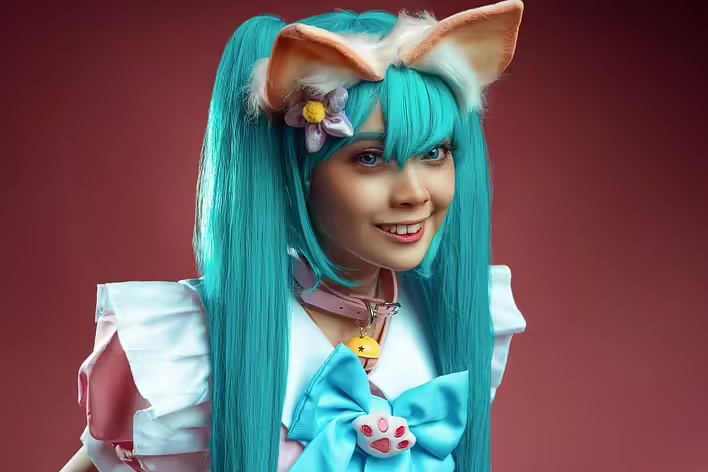
The word "mew" comes from the English "mew" – the sound that cats typically make. In TikTok, it has taken on a new meaning and refers to people who embody a cute, gentle, and even slightly "cat-like" persona in their videos. These users often identify with cats, embracing their playfulness, gentleness, and carefree nature.
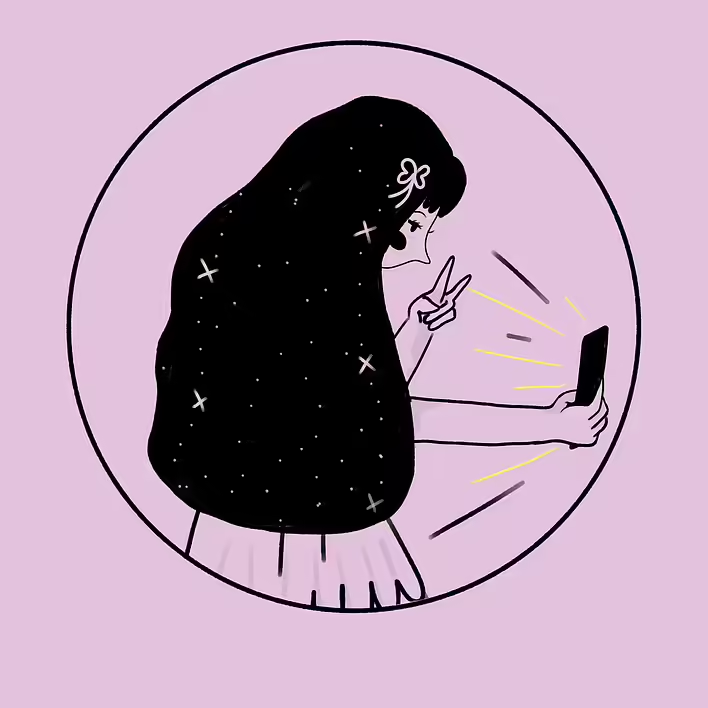
Mewlings are primarily young girls (though there are boys as well) who create content in this style. Their behavior includes:
- A gentle and soft voice.
- Specific hand movements that resemble cat paws.
- Frequent use of cute or slightly "childish" slang.
- Wearing accessories with ears, cat tails, or soft pastel outfits.
The mew culture reflects a desire to create an atmosphere of coziness, play, and "cuteness."
How did the trend emerge?

The mew trend originated in a community inspired by the Japanese kawaii culture (from the Japanese word for "cute"). It flowed into TikTok through the popularization of anime aesthetics, where female characters are often depicted as playful and gentle beings resembling kittens. Initially, it was just a way to joke or add more charisma to videos, but soon it became a full-fledged subculture.
Mewlings gained particular popularity thanks to TikTok filters that allow users to add cat ears, noses, and other similar elements.
Why did it become popular?
The mew culture attracts with its lightness and naivety. In today's world, where many are tired of stress and complex emotions, the mew aesthetic has become a way to "escape" into something pleasant and carefree. Mewling videos create a warm, cozy atmosphere, and people find a kind of therapy in this.
Mew content also gains popularity due to its viral nature. Once one video becomes a trend, many users start to replicate the format, adding their own twist.
Criticism and humor around mew
Of course, not everyone views the mew culture positively. Many consider it too childish or "overly cute." On TikTok, there are even parody videos where users joke about mewlings, imitating their movements and manner of speaking. However, this does not prevent this subculture from continuing to evolve.
Mew and mewlings are more than just a trend on TikTok. They are a vivid example of how social media platforms create new subcultures and ways of self-expression. For some, it's a way to showcase their playful nature, and for others, it's an opportunity to escape from the mundane. Who knows, perhaps in the future "mew" will transform into something even more interesting and profound?
Also read interesting posts on topics: K-pop fans. Who are "mew" or "mewlings"?
Like it?React
🧵
This post doesn't have any additions from the author yet.