This content has been automatically translated from Ukrainian.
In the world of the LGBT community, there exists a unique culture that includes distinct terms and slang. Some of the most well-known terms related to queer women are "Butch," "Femme," and "Dyke." Each of these terms has its own history, cultural context, and reflects certain archetypes or roles that women adopt in their relationships or self-identification.
Who are Butch?

🔹 What do Butch look like? The classic Butch image includes jeans, t-shirts, leather jackets, men's shoes, and short haircuts. The style can range from a "working-class" aesthetic to a more modern urban look. It is important to understand that Butch is not just a style of clothing, but also an internal sense of self that often manifests in confident behavior.
🔹 Cultural context: Historically, Butch women have played an important role in the LGBT movement, especially during a time when femininity among women was considered a radical challenge to society. In the 1950s to 1970s, they were part of the LGBT bar culture, where their style was marked as a symbol of freedom and resistance.
Who are Femme?

🔹 What do Femme look like? The Femme image includes dresses, heels, long hair, bold makeup, and accessories. They may resemble Hollywood actresses with the glamour of old times or modern fashionistas from Instagram. However, like with Butch, it is not just about appearance, but a way of self-expression.
🔹 Cultural context: Femme women sometimes face stereotypes that they are not taken seriously in the queer community, as their femininity may appear "heteronormative." However, they challenge societal notions of how lesbians look and act.
And what is Dyke?
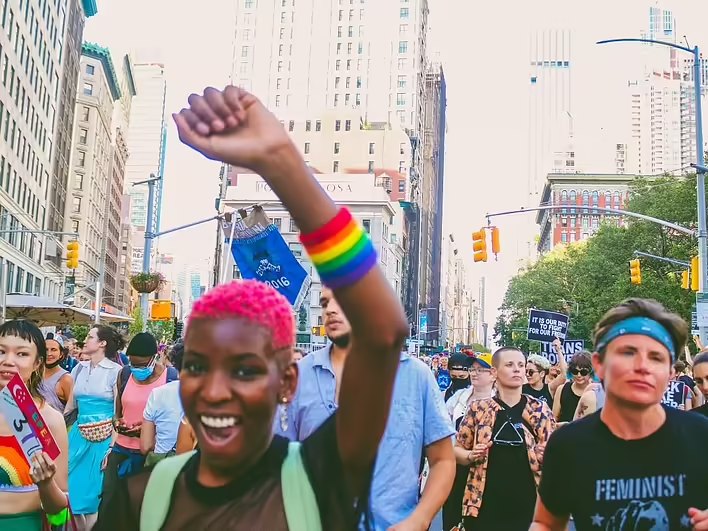
🔹 What do Dykes look like? Dyke is not so much about appearance as it is about position in society. They can look like Butch or Femme, or have a mixed style. This term is often associated with activists who fight for LGBT rights or with women who openly live their identity.
🔹 Cultural context: The word "Dyke" has become a symbol of strength and resilience, especially in activist movements. One of the most well-known manifestations of this is the "Dyke March" – an annual march of lesbians during Pride Month that demonstrates solidarity and pride.
The dynamics between Butch and Femme
Historically, Butch and Femme have often been viewed as complementary archetypes in lesbian relationships: Butch played "traditionally male" roles, while Femme played "female" roles. However, today these roles have become more flexible, and women increasingly combine traits of both styles.
Are these terms relevant today?
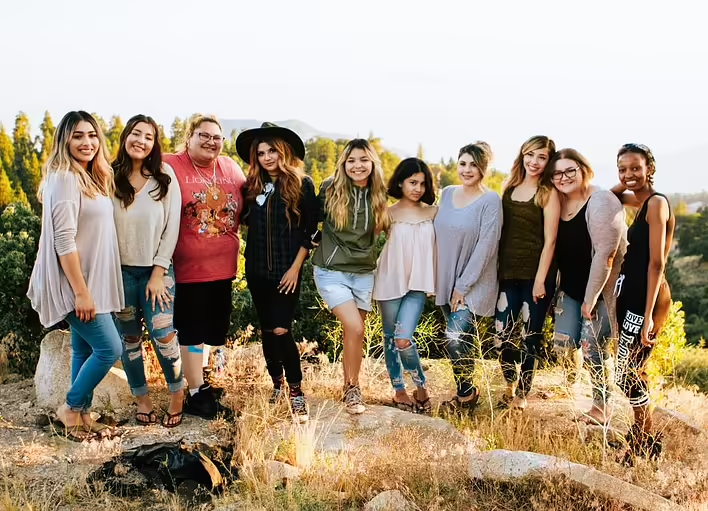
It is important to understand that these words are not just about appearance, but about how a person sees and feels about themselves. Whether it is Butch, Femme, or Dyke, they are all part of the rich and diverse world of LGBT culture, which continues to evolve and inspire.
Like it?React
🧵
This post doesn't have any additions from the author yet.