This content has been automatically translated from Ukrainian.
The names of the card figures "Queen" and "King" come from the rich history of playing cards, which have passed through various cultures and eras. These names have deep cultural and social roots, reflecting the structure of the society in which they originated.
Playing cards first appeared in China around the 9th century and gradually spread throughout the world. In Europe, playing cards became popular in the 14th century, and it was there that modern names and symbols of the cards began to take shape.
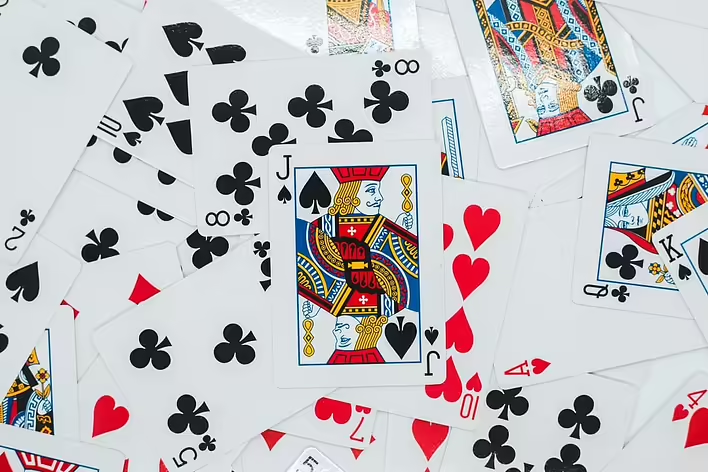
The King is a symbol of supreme power and authority. His presence in the deck of cards is associated with the European feudal system, where the king was the highest figure in the social hierarchy.
- Symbolic meaning: The King in playing cards symbolizes the highest power and leadership. In various decks, the king is often depicted with a crown and scepter, emphasizing his status.
- Cultural influences: In different countries, kings on the cards have their unique names and images. For example, in French cards, kings often represent historical figures such as Charlemagne (French king Charles), Julius Caesar (Roman emperor), or King David (biblical king).
The Queen represents an influential woman who holds a high social position. She is the partner of the king and often symbolizes wisdom, beauty, and strength.
- Symbolic meaning: The Queen in playing cards symbolizes the importance and influence of women in society. She occupies a high place next to the king, highlighting equality and the significance of the female role in life.
- Cultural influences: Similar to kings, queens in different decks may represent specific historical or mythological figures. In French cards, for example, queens may be depicted as Joan of Arc (heroine of France) or Rachel (biblical mother).
The names "king" and "queen" became established in Europe due to the feudal system, where kings and queens held real power and great influence. The reflection of these social statuses in card games helped make them understandable and acceptable to players. These figures symbolize power, wisdom, beauty, and influence, making them important elements of every card deck.
Like it?React
🧵
This post doesn't have any additions from the author yet.