This content has been automatically translated from Ukrainian.
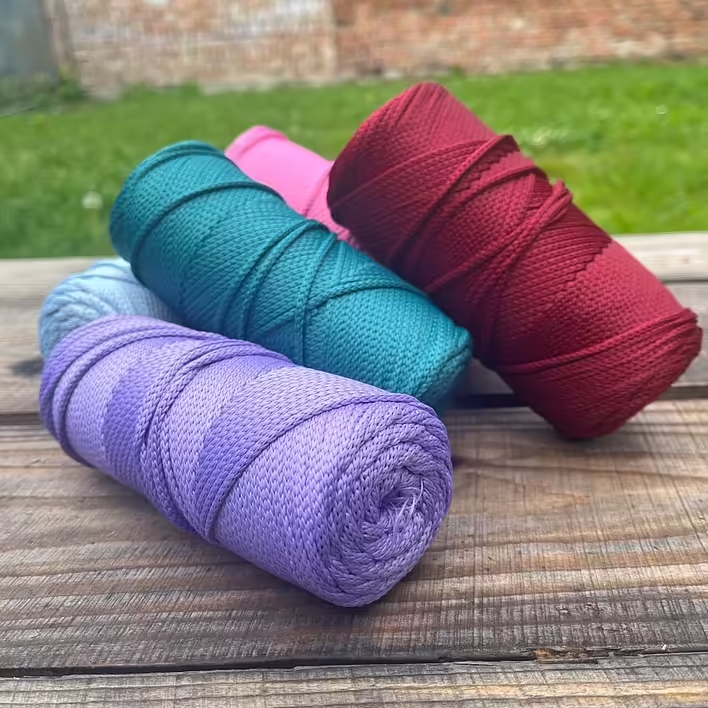
Polyester cord (polyester string) is a type of yarn or cord made from polyester fibers. It has several important characteristics and applications that make it a popular material in various fields, including textiles, crafts, accessory manufacturing, and decor.
Main characteristics of polyester cord:
- Strength and durability: polyester fibers are known for their high strength and abrasion resistance. Cord made from these fibers can withstand significant loads and mechanical impacts.
- Mold and moisture resistance: polyester cord does not absorb moisture, making it resistant to mold, rot, and bacterial damage. This is especially important for products used outdoors or in humid conditions.
- Easy care: polyester cord is easy to wash and dry. It dries quickly and does not require special care.
- UV radiation resistance: polyester fibers have good resistance to UV radiation, preventing them from fading and degrading under sunlight.
- Variety of colors and textures: polyester cord can be made in various colors and textures, allowing it to be used for creating a wide range of decorative elements and accessories.
Applications of polyester cord:
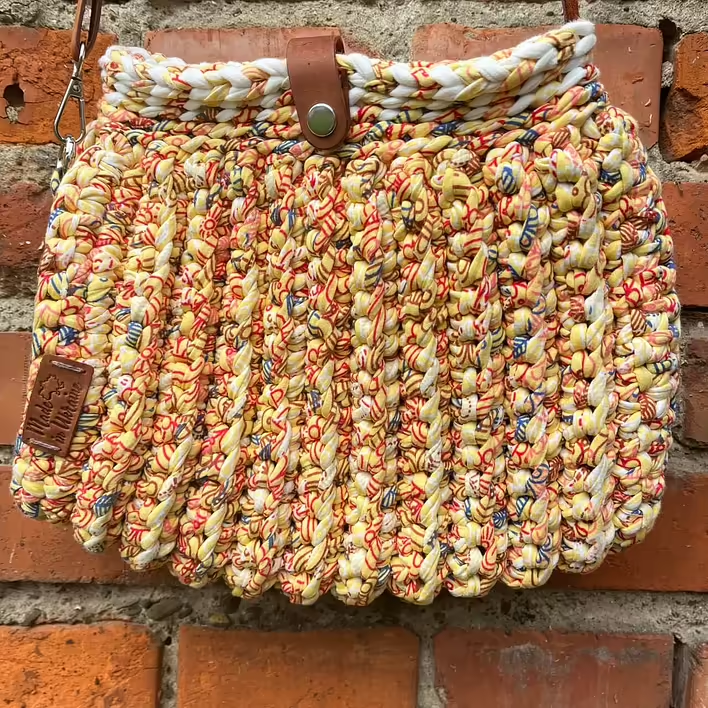
- Textile products: polyester cord is often used for knitting rugs, bags, baskets, blankets, and other decorative items.
- Crafts and DIY: due to its characteristics, this cord is popular among crafters for creating macrame, woven items, bracelets, and other decorative elements.
- Sports equipment: used in the production of ropes for climbing, parachutes, cables, and other types of sports equipment due to its strength and durability.
- Furniture and interior items: polyester cord can be used to create various furniture and interior items, such as woven chairs, hammocks, and cushions.
Polyester cords come in different types, depending on their structure, manufacturing method, and purpose:
- Round braided cords: consist of many thin threads interwoven together, creating a round shape. They are very strong and flexible.
- Flat braided cords: have a flat shape, making them convenient for certain types of products, such as belts or woven baskets.
- Macrame cords: specially designed for macrame techniques, they have increased strength and flexibility. Used for weaving various decorative items, such as wall hangings, hanging pots, and other decor elements.
- Knitting and weaving cords: used for knitting rugs, baskets, bags, and other products. These cords can be either thin or thick, depending on the desired result.
- Polyester cord with a core is a type of cord that has an internal core providing additional strength, stability, and shape to the product. This cord is widely used in various fields, including textiles, crafts, accessory manufacturing, and technical applications.
- Technical cords: used in industrial and technical fields for making ropes, cables, belts, and other products that must withstand significant loads.
Polyester cord comes in various thicknesses:
- Thin cords (up to 2 mm): used for creating thin decorative items, jewelry, bracelets, and small accessories.
- Medium cords (2-5 mm): ideal for most craft projects, such as bags, baskets, macrame, and other decorative elements.
- Thick cords (over 5 mm): used for creating large items, such as rugs, hammocks, woven furniture, and other large products.
Caring for polyester cord
Polyester cord for knitting is usually quite easy to care for, as polyester fibers are resistant to wear, moisture, and do not require special storage conditions. Here are some care recommendations for products made from polyester cord:
Hand washing:
- It is recommended to wash products by hand in warm water (up to 30°C) with a mild detergent. This will help avoid damaging the structure of the cord and preserve its appearance.
- Gently rinse the product, do not rub or twist it hard to avoid deformation.
Machine washing:
- If you decide to use a washing machine, choose a delicate cycle or a synthetic fabric setting with a temperature no higher than 30°C.
- Use a mild detergent and place the product in a special laundry bag to prevent damage.
Air drying:
- It is best to dry products on a flat surface, laying them on a towel. This will help maintain their shape and avoid stretching.
- Avoid direct sunlight, as prolonged exposure to UV rays can damage polyester fibers.
Avoiding the dryer:
- It is not recommended to use an electric dryer, as high temperatures can deform or damage the product.
Ironing:
- If ironing is necessary, use the lowest iron temperature or a special setting for synthetic fabrics.
- It is better to iron through a damp cloth or gauze to avoid direct contact between the iron and the polyester cord.
General recommendations:
- Avoid aggressive chemicals: Do not use bleaches or other harsh detergents that may damage the fibers.
- Minimize friction: When washing or wearing products, try to avoid rubbing against rough surfaces to prevent pilling or other damage.
By following these simple recommendations, you can ensure the durability and maintain the aesthetic appearance of products made from polyester cord for a long time.
P.S. This site has a wide selection of polyester cords and a lot of interesting things for crafting shikimiki.ua
Like it?React
🧵
This post doesn't have any additions from the author yet.