This content has been automatically translated from Ukrainian.
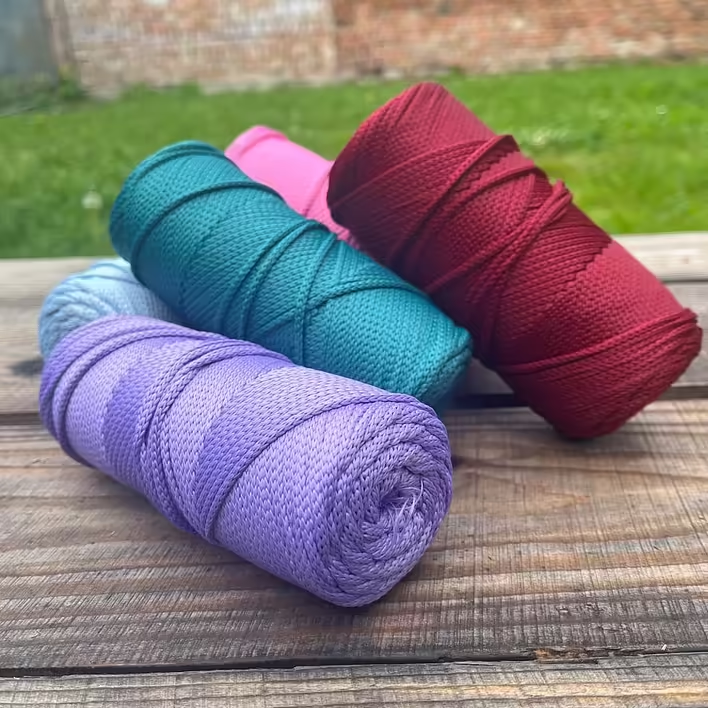
Knitting yarn is a special type of yarn made from cotton or blended fabric. It is often used for knitting various products such as bags, baskets, cushions, and even interior decorations.
Knitting yarn usually has the following properties:
- Composition: it is most often made from 100% cotton, but there can also be options with added acrylic or other synthetic materials.
- Thread thickness: knitting yarn can have different thicknesses, usually ranging from 7 to 10 mm, making it convenient for knitting both large and small details.
- Color palette: it is available in a wide variety of colors, allowing for the creation of bright and colorful products.
Types of knitting yarn
Primary knitting yarn, often known as "primary yarn," is made directly from primary fibers rather than recycled materials. It has several key characteristics and advantages that make it popular among knitters and artisans.
Characteristics of primary knitting yarn
- Fiber quality: primary yarn is made from high-quality raw materials, ensuring uniformity and strength of the thread.
- Texture and feel: products made from primary yarn are usually softer and more pleasant to the touch, as they do not contain additives from recycled materials.
- Durability: primary yarn is often more wear-resistant and longer-lasting in use.
- Eco-friendliness: although it is made from new fibers, its production can be more environmentally friendly if appropriate standards are followed.
Types of primary knitting yarn
- Cotton yarn: made from 100% cotton, suitable for making lightweight summer items, children's products, and accessories.
- Wool yarn: can be made from various types of wool, including merino, known for its softness and warmth.
- Silk yarn: made from natural silk, very soft and shiny, ideal for delicate and elegant products.
- Acrylic yarn: although acrylic is a synthetic fiber, primary acrylic yarn can be very soft and resemble wool, while being easier to care for.
Uses of primary knitting yarn
- Clothing: sweaters, scarves, hats, mittens.
- Decorative items: cushions, blankets, toys.
- Accessories: bags, jewelry, belts.
Care for products
- Washing: gentle washing in cold water with delicate detergents is recommended.
- Drying: it is best to dry products on a flat surface to avoid stretching.
- Steam treatment.
Using primary knitting yarn allows for the creation of high-quality, durable, and long-lasting products that will be pleasant to the touch and eco-friendly if appropriate production standards are followed.
Here are some links to stores where you can purchase yarn and accessories for your products https://candy-yarn.com.ua trikolino.com
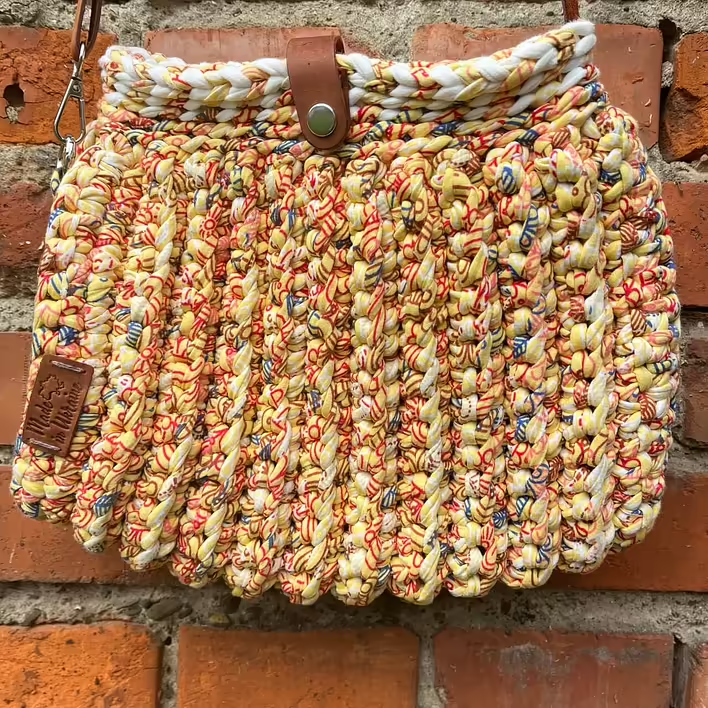
Secondary knitting yarn, or recycled yarn, is made from secondary materials that have already been used or are production waste. This makes it a more environmentally friendly choice and an affordable option for various projects.
Characteristics of secondary knitting yarn
- Eco-friendliness: using recycled materials reduces waste and helps conserve natural resources.
- Affordability: usually cheaper compared to primary yarn.
- Texture: can be a bit rough and less uniform due to the use of different materials.
- Diversity: available in a wide range of colors and textures, as it is made from various recycled fabrics.
Types of secondary knitting yarn
- Yarn from recycled cotton materials:
- made from cotton production waste or old cotton products.
- can be blended with other fibers to improve quality.
- Yarn from recycled plastic bottles (PET):
- polyester yarn made from recycled polyethylene terephthalate.
- used to create strong and durable products.
- Yarn from textile waste:
- made from scraps and remnants of fabrics of various origins.
- may have a mixed composition, depending on the source materials.
- Yarn from recycled acrylic materials:
- made from recycled acrylic fibers.
- has similar properties to primary acrylic but may be less soft.
Uses of secondary knitting yarn
- Clothing: sweaters, scarves, hats, toys.
- Decorative items: cushions, blankets, throws.
- Accessories: bags, baskets, belts.
- Household items: mats, trivets.
Advantages and disadvantages:
Advantages:
- Eco-friendly choice.
- Cost-effective.
- Diversity of textures.
- Price is often cheaper than primary yarn.
Disadvantages:
- May be less durable and uniform compared to primary yarn.
- May not be as elastic as primary yarn.
- May contain impurities that affect the quality of the final product.
- Frequent knots, varying thickness.
- Inconsistent color palette.
Care for products made from secondary yarn
- Washing: gentle washing in cold water using mild detergents is recommended.
- Drying: it is better to dry products on a flat surface to avoid stretching and deformation.
- Steam treatment.
Using secondary knitting yarn is a great way to reduce environmental impact while still having the ability to create beautiful and functional products. I have often encountered items such as baskets, rugs, trivets, and various kitchen accessories made by artisans, as secondary yarn holds its shape better. I order secondary knitting yarn from this site tesemka, and you can also look for yarn for your first product on OLX, where there is a selection, and the price will be cheaper.
Handmade knitting yarn, often referred to as "hand-spun" or "hand-knitted" yarn, differs from factory mass production. This yarn is created manually using special techniques and tools, such as spindles, spinning wheels, or hand looms. Such yarn has its unique characteristics and features:
- Uniqueness: each skein of handmade yarn is unique, as it is created by hand. This can include unique color combinations, textures, or structures.
- Naturalness: many people who create handmade yarn use natural materials such as wool, cotton, linen, silk, and others. This can be important for those who strive to lead a healthy lifestyle and support environmental sustainability.
- High quality: usually, handmade yarn has higher quality compared to mass production, as each skein is created with care and attention to detail.
- Individual approach: many artisans consider the wishes and needs of their clients when making yarn, allowing for the creation of personalized products.
- Support for handmade labor: purchasing handmade yarn supports small businesses and crafts. It is often produced by small workshops or even individuals, adding value and uniqueness to each product.
Like it?React
🧵
This post doesn't have any additions from the author yet.