This content has been automatically translated from Ukrainian.
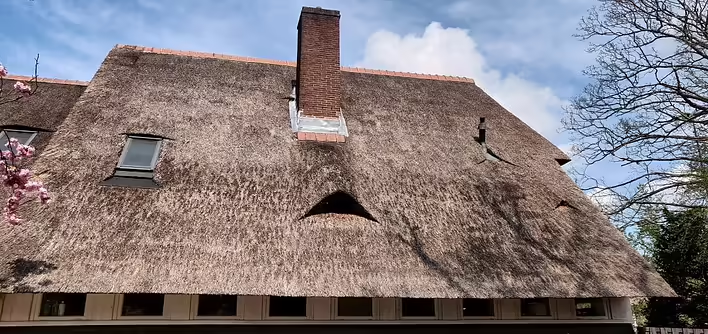
The thatch is not only an architectural element but also a cultural symbol of many nations. This type of roof, made from natural materials, preserves the spirit of the past while remaining popular in the modern world.
What is thatch?
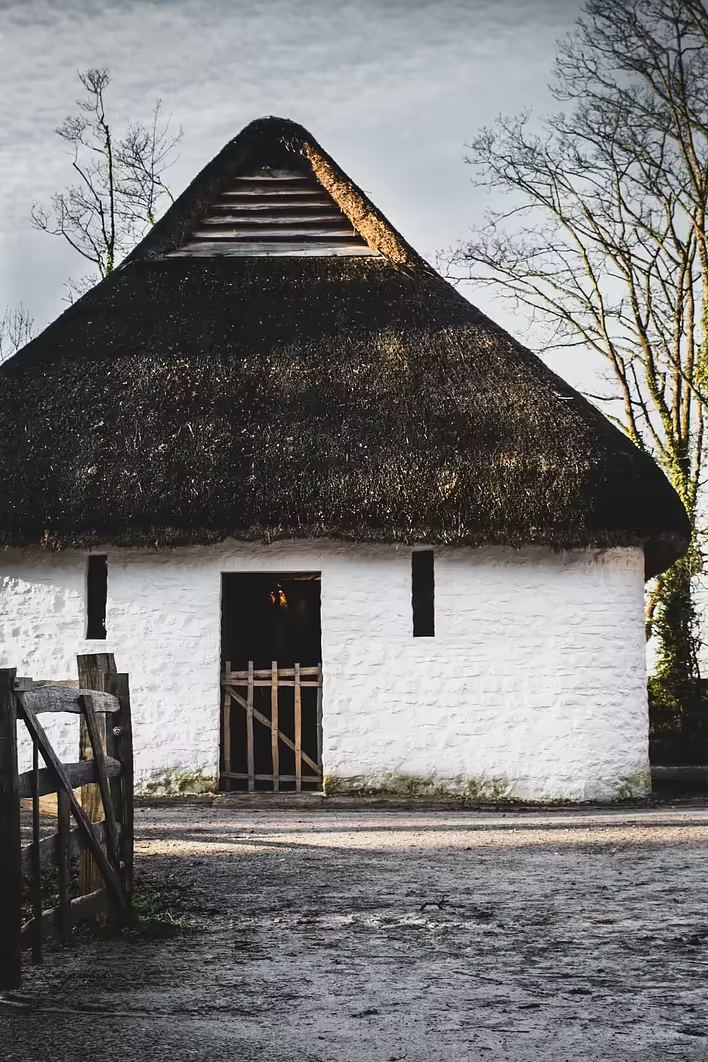
Thatch is a roof covered with natural materials such as straw, reeds, hay, or even grass. It is characterized by a thick layer of covering that provides good thermal and sound insulation, as well as effectively drains water during rain.
The word "thatch" has an Old Slavic origin and is related to words like "roof" or "covering." In many Slavic languages, this term has been preserved to denote a traditional straw roof.
History of thatch
The making of thatched roofs dates back to ancient times. Straw and reeds, which were used to create thatch, were readily available materials since they could be found in almost every region where agriculture developed.
The earliest mentions of straw roofs can be found in written sources from Ancient Egypt. In medieval Europe, thatch was the most common type of roofing in rural areas. Its advantages included low cost, ease of construction, and long service life – a quality thatch could last for decades if properly maintained.
What materials are used for thatch?
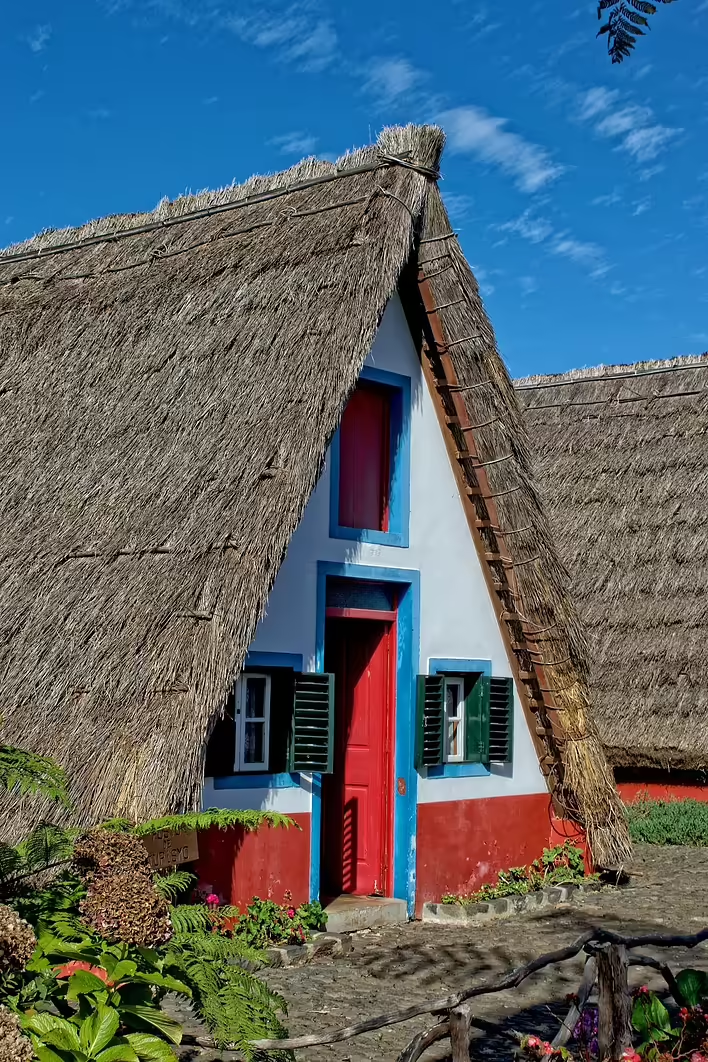
The main materials for thatch are:
- Straw. Usually, wheat or rye straw is used. This material is lightweight, retains heat well, but requires regular maintenance.
- Reeds. Very popular in regions rich in water bodies. Reeds are more resistant to moisture and have a longer service life.
- Hay. Used less frequently, but in some regions, roofs were also made from it.
- Cattail. Used in southern regions and has similar properties to reeds.
- Grass. Grass roofs, which are grown directly on the structure, are found in Scandinavian countries.
In which countries has thatch been used and is still used?
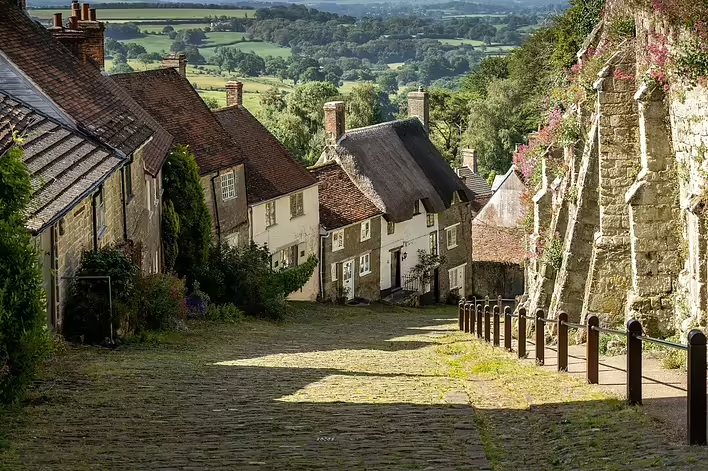
- UkraineStraw thatch is an inseparable part of traditional Ukrainian architecture. In rural areas, thatch was the most common type of roofing until the 20th century. It symbolizes coziness and harmony with nature, and is now often used in stylized estates and tourist complexes.
- Poland, Czech Republic, SlovakiaIn these countries, thatch is also part of the cultural heritage. Traditional houses with thatched roofs can be seen in open-air museums.
- Scandinavian countriesIn Norway, Sweden, and Iceland, grass roofs that look like living thatch are popular. They not only add color but also provide excellent insulation against the cold.
- EnglandIn England, reed thatch is a symbol of rural architecture. Even today, some houses are covered with thatch, especially if they are historical buildings.
- Asia and AfricaIn many Asian and African countries, thatch made from grass or palm leaves remains popular due to the availability of materials and climatic conditions.
Modern use of thatch
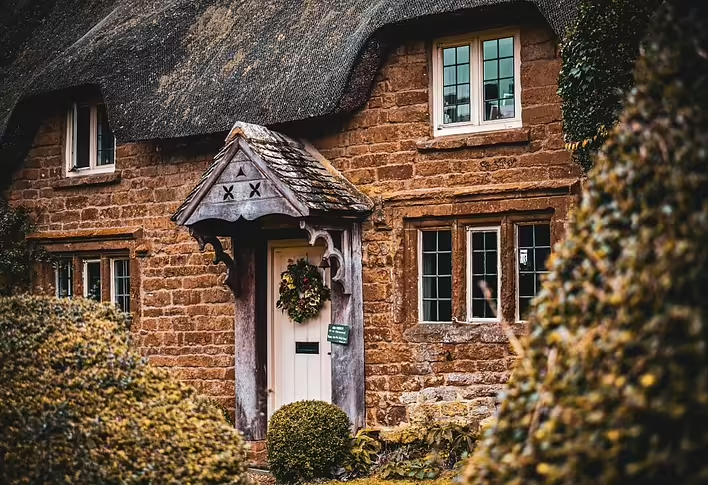
Today, thatch is making a comeback, especially among those who value eco-friendliness and naturalness. Straw and reed roofs are used in:
- the reconstruction of traditional houses;
- tourist facilities, such as hotels and restaurants in ethnic style;
- modern eco-building.
Moreover, thatch has become popular among designers who integrate it into eco-home and energy-saving building projects.
Advantages and disadvantages of thatch
Advantages:
- eco-friendliness;
- high thermal insulation;
- attractive appearance and authenticity.
Disadvantages:
- need for maintenance;
- fire hazard;
- limited durability (depends on material and conditions).
Despite the development of modern technologies, traditional thatch remains relevant, especially in the search for sustainable solutions for the future.
Like it?React
🧵
This post doesn't have any additions from the author yet.