This content has been automatically translated from Ukrainian.
The word "tray" sounds a bit archaic to many, but at the same time evokes warm associations with home comfort and hospitality. A tray is a universal item that has long been used in Ukrainian households, and today it can be found in both restaurants and the kitchens of modern housewives.
What is a tray?

A tray is a flat or slightly recessed surface designed for carrying, serving, or storing food and beverages. In ancient times, it was often made of wood, decorated with carvings or paintings, and later metal and porcelain options began to be used.
In the Ukrainian language, the word "tray" is indigenous and comes from an Old Slavic root related to the words "tatska" or "tatska," which meant a small container or flat item for serving.
History of Origin
The history of the tray dates back to ancient times. The first "trays" appeared in Ancient Egypt and Mesopotamia, where they were made of stone or metal and used for ritual purposes. During antiquity and the Middle Ages, trays became part of festive tables, particularly for serving meat, fruits, or beverages.
In Ukraine, the tray became widely used in the 18th–19th centuries. It was made of wood and then painted or carved with ornaments that reflected local traditions. A distinctive feature of Ukrainian trays was their practical design – they had edges to prevent food or drinks from falling during transport.
Where were trays used?

- In household useIn Ukrainian villages, the tray was an indispensable item. It was used for serving dishes at festive tables, carrying food during harvests or work in the fields. The tray also served to display treats or fruits that housewives set out for guests.
- In temple ritualsIn churches and monasteries, trays played a ritual role: they were used to present candles, bread, or other symbolic items during ceremonies.
- In the hotel and restaurant businessIn the 18th–19th centuries, with the development of inns and restaurants, trays began to be actively used for serving guests. This tradition has persisted to this day.
- In art and decorSome trays, especially those decorated with painting or carving, were true works of art. They were used not only for their intended purpose but also as decorative elements in interiors.
Modern Use of Trays
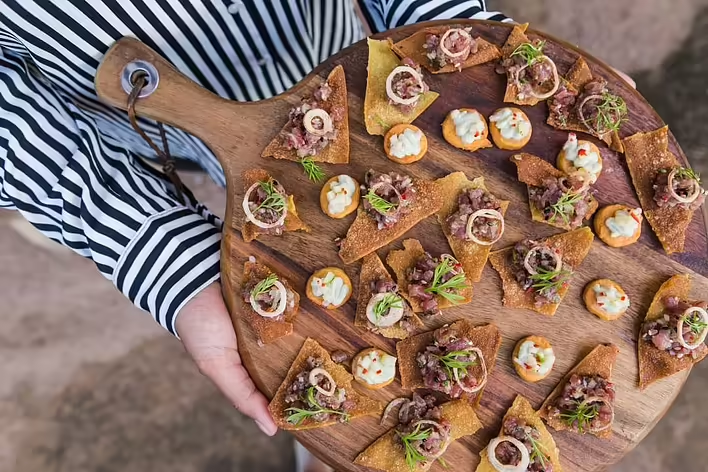
Today, the tray has not lost its relevance, although its appearance and materials have changed significantly.
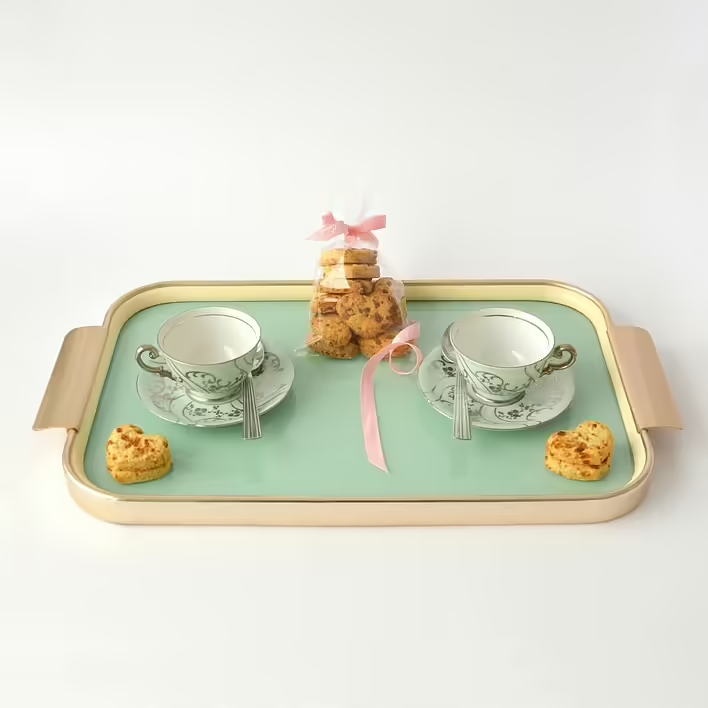
- In the kitchenIn modern households, trays are made of wood, plastic, metal, or even glass. They have become indispensable for serving breakfast in bed or setting the table.
- In cafes and restaurantsPractical plastic or metal trays are a primary tool for service in food establishments.
- In interior designModern designer trays, often adorned with hand-painted designs or made from original materials, serve as decorations for kitchens or living rooms.
- Eco-trendsWith the revival of interest in eco-friendliness, wooden trays are becoming popular again, especially among supporters of ethnic style.
Interesting Facts About Trays
- Each region of Ukraine had its own features in tray making. For example, in Hutsulshchyna, carved wooden trays were popular, while in Podillia, they were painted with colorful paints.
- In Europe, there is a whole cult of antique trays. Antique trays from the 18th–19th centuries with exquisite decor are often sold at auctions for significant sums.
- Traditions and innovations. In some Ukrainian workshops, the production of authentic trays is being revived using ancient techniques.
Like it?React
🧵
This post doesn't have any additions from the author yet.