This content has been automatically translated from Ukrainian.
The modern world is filled with information, and it is important to be able to quickly navigate what is worth paying attention to. One of these guideposts has become the word must-watch, which gained popularity thanks to the internet, social media, and the culture of reviews.
What does must-watch mean?
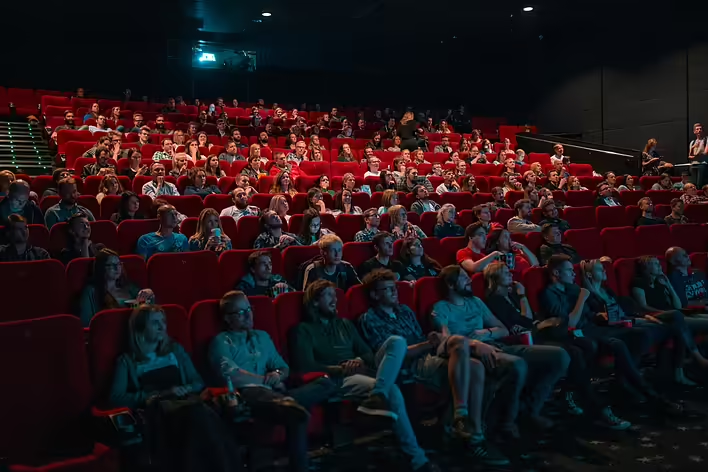
Must-watch is an English expression that literally translates to "a must-see." It is used to describe movies, series, shows, or videos that are considered so important or impressive that they cannot be missed.
This term is often found in reviews of cinema, television, or YouTube content, as well as in recommendations from friends or bloggers. Must-watch means that a particular work has high quality, significance, or emotional impact that is worth experiencing personally.
The origin of the term
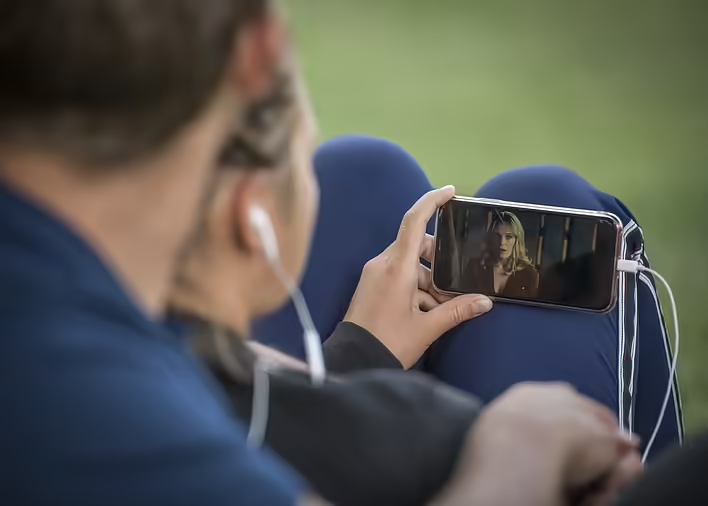
The word must-watch consists of two parts:
- Must – a modal verb that expresses obligation or necessity.
- Watch – to look at, to observe.
The term first began to be used in English-speaking environments in the 1990s when film critics sought a concise way to express the importance of a particular movie. With the development of the internet and the proliferation of platforms for discussing cinema, must-watch became one of the key expressions in the culture of recommendations.
Due to its simplicity and clarity, the term quickly entered the vocabulary of people in various languages, including Ukrainian.
Why has must-watch become popular?
- Information flowIn a world where hundreds of new movies, series, and videos appear every day, people need filters that help them choose the best. Must-watch has become one of those filters.
- Influence of social mediaInstagram, Twitter, TikTok, and YouTube – all these platforms actively promote the idea of recommendations. Must-watch is a short and clear way to draw attention to something valuable.
- FOMO culture (Fear of Missing Out)People are afraid of missing something important or popular. The must-watch label creates the impression that this is indeed an important event and should be seen.
How is the word used?
- In film criticismReviewers often call a film a must-watch if it has high artistic value, a strong plot, or has won many awards. For example: "The new film by Christopher Nolan is a must-watch for all science fiction fans."
- In friends' recommendationsWhen someone wants to recommend a series or show, they might say: "Haven't you watched this series yet? It's a real must-watch!"
- On social mediaFollowers actively respond to recommendations from influencers who label content as must-watch.
The word must-watch in modern Ukrainian

In Ukrainian, must-watch is often used in its original English form, especially among young people. It fits perfectly into modern slang and is understood without translation.
However, sometimes attempts are made to adapt this term, for example:
- "A must-see"
- "You have to watch this"But such options lose their conciseness and sound less natural.
Must-watch as a cultural marker
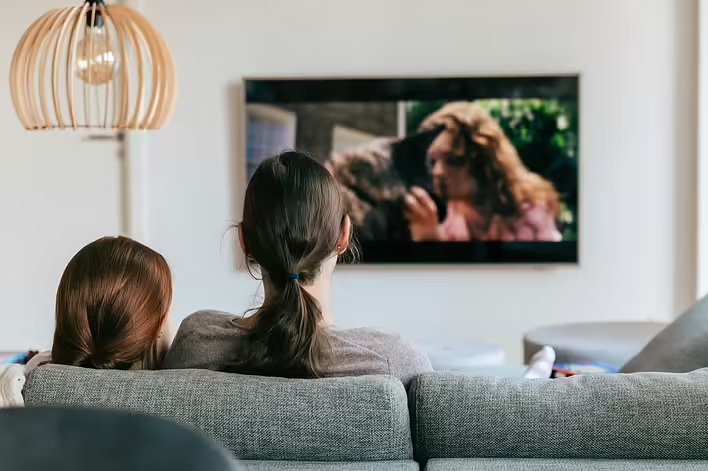
In the world of digital technology, must-watch has become not just a word, but a kind of marker of significance. When something receives this label, it automatically elevates its status and adds it to the list of "things to see."
This term influences not only the choice of movies or series but also the formation of the overall culture of media consumption. People, trusting recommendations, often form their preferences based on collective opinion.
Criticism of must-watch
Not everyone agrees with the popularity of this term. Some critics believe that must-watch creates excessive pressure and forces people to watch things they may not enjoy, simply out of fear of being "out of the loop."
There is also a risk that the must-watch label can be used for marketing to promote low-quality content.
However, it is worth remembering that the must-watch label is just a recommendation, not a command. Ultimately, only you decide what is worth your attention.
Like it?React
🧵
This post doesn't have any additions from the author yet.