This content has been automatically translated from Ukrainian.
Exlibris, or bookplate, is a small but extremely important detail that has great cultural and artistic significance. What is it, where did this tradition come from, and why does it remain relevant today?
What is an exlibris?
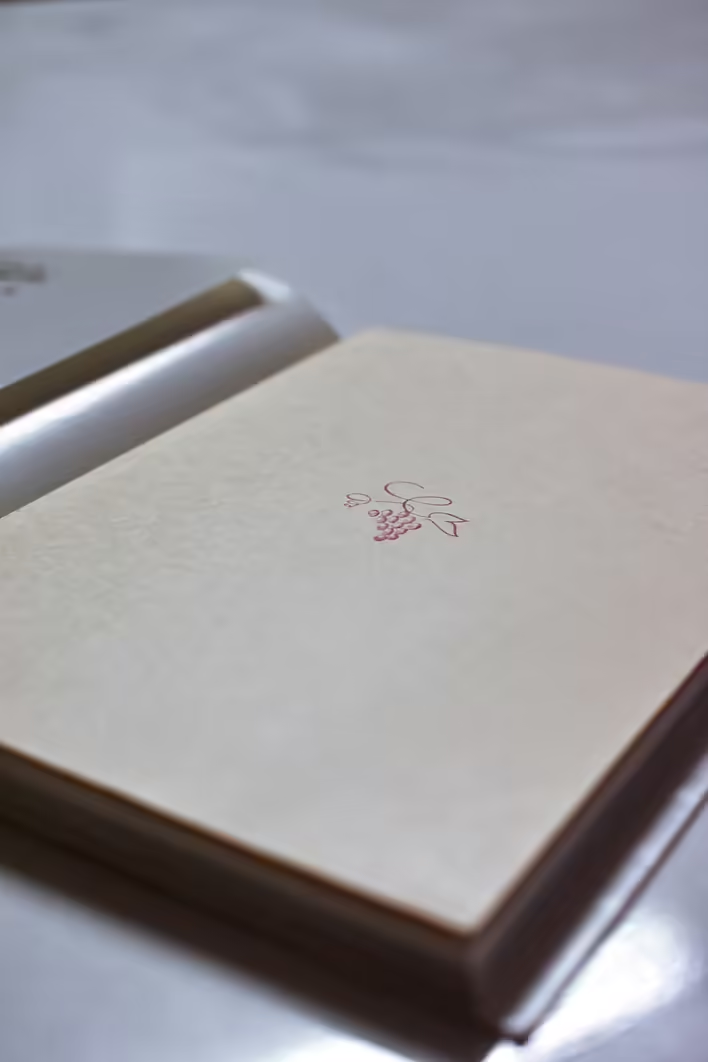
An exlibris (Latin: ex libris – "from the books") is a small artistic mark, usually in the form of a sticker, that the book owner attaches to the inside of the cover or flyleaf. This mark serves to indicate ownership of the book and often includes the owner's name, motto, coat of arms, or symbols that reflect their tastes or profession.
Exlibris can also take forms other than stickers. There are also:
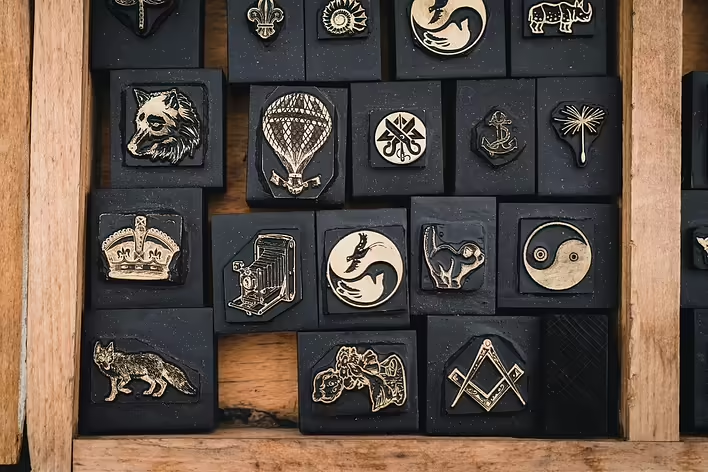
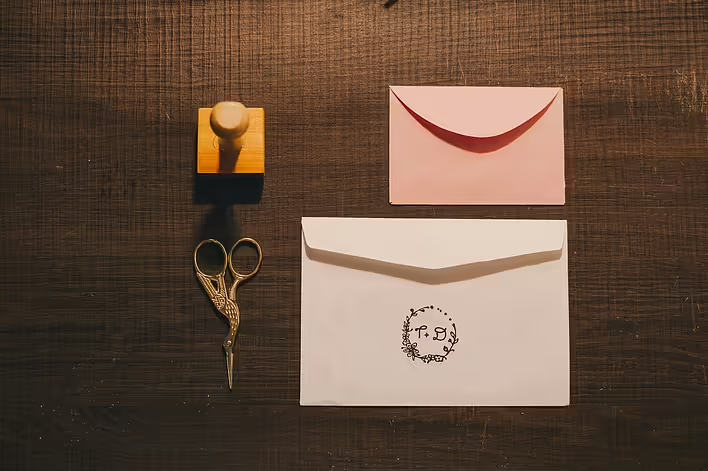
- Stamps – the most common alternative, where the image or text is applied using a special stamp.
- Engravings – refined prints created manually using woodcuts, copper plates, or other engraving techniques.
- Embossing – prints made directly on the cover or pages of the book using embossing.
- Handwritten inscriptions – especially popular in ancient times when book owners left their signatures or mottos.
How did the tradition of exlibris originate?
The history of exlibris dates back to the 15th century when printing and reading culture began to flourish in Europe. The first exlibris appeared in Germany, where engraving technology allowed for the creation of unique prints. One of the most famous early exlibris belonged to the German monk and bibliophile Hildebrandt of Brandenburg.
In the 16th to 18th centuries, exlibris became popular among European aristocracy and scholars. They were used not only to identify books but also to demonstrate the owner's status. In the 19th century, exlibris became more accessible thanks to the development of lithography, and by the 20th century, it had become a true art form.
The artistic aspect of exlibris
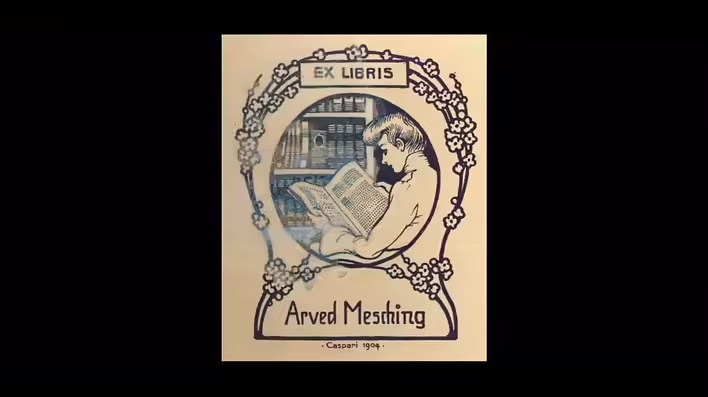
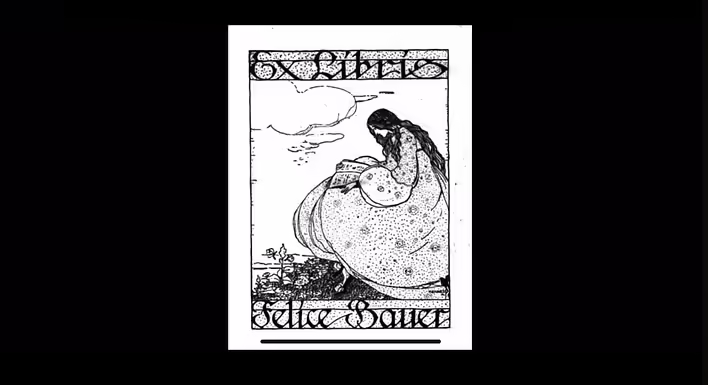
Ukraine also has a rich tradition of exlibris. In the 20th century, Ukrainian artists like Georgiy Narbut developed unique bookplates that combined national motifs and modernist trends.
Modern revival of exlibris
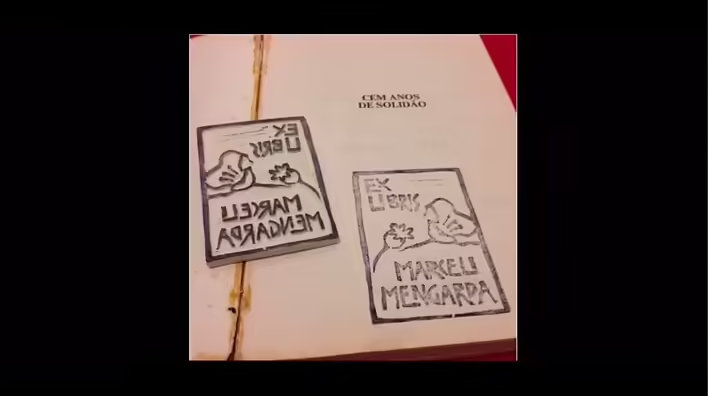
Although physical libraries have somewhat lost popularity with the advent of e-books, exlibris is making a comeback as an element of individuality and creativity. People order personalized exlibris from artists or even create them themselves using modern tools such as engraving machines or digital design programs.
For bibliophiles, exlibris is a way to emphasize their love for books and their history. Moreover, such marks become collectible items, especially if they have an interesting history or belonged to notable individuals.
How to create your own exlibris?
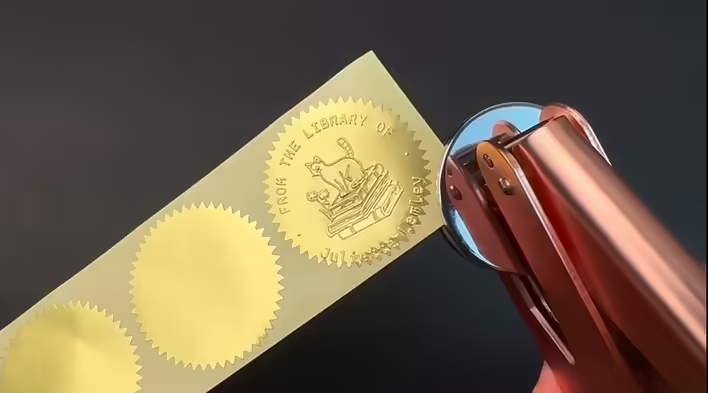
If you want to have your own exlibris, here are a few steps:
- Consider the design. Include elements that are meaningful to you: initials, symbols, quotes, or even a favorite drawing.
- Find an artist. If you seek a unique design, consult a professional. There are many masters in Ukraine who specialize in exlibris.
- Use technology. You can use graphic editors or special services for printing on self-adhesive paper to create your exlibris.
- Apply the exlibris to books. Place it on the inside cover of your favorite books.
An exlibris is more than just a mark on a book. It is a part of history that allows the book owner to leave their unique imprint. In our time, when printed books become symbols of sophistication and taste, exlibris is regaining popularity as an expression of personality and love for book culture. Create your exlibris, and your books will have a unique character!
Like it?React
🧵
This post doesn't have any additions from the author yet.