This content has been automatically translated from Ukrainian.
The Origin of the Word "Runduchnyk"
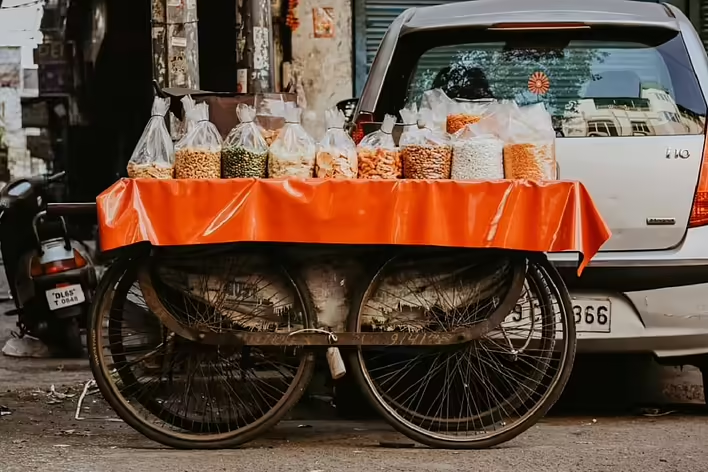
The word "runduchnyk" comes from the word "runduchok". A runduchok is a small stall, booth, or even a wooden shelf with a counter that was located right on the street. In ancient times, when modern supermarkets and covered markets did not yet exist, runduchky were the main way of trading.
The very word "runduchok" has roots in the German language, from the word Rund – "round" or "covered". Perhaps this is related to the appearance of these small trading points – they had a roof or dome-shaped top for protection from rain or sun.
What Did the Runduchnyk Do?
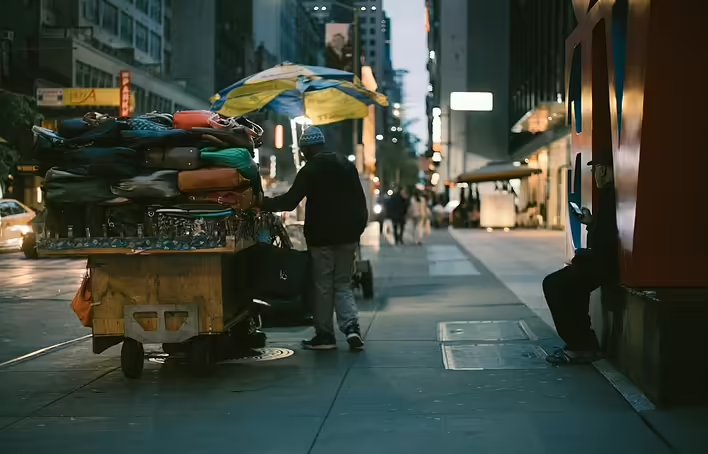
Runduchnyks were street vendors who sold a variety of goods. Their assortment depended on the region and specialization. They could trade:
- Food products – vegetables, fruits, bread, sweets.
- Clothing and footwear.
- Household items, dishes, or handicrafts.
These traders set up their runduchky in places with large crowds – at markets, near temples, in city centers, or at intersections. They knew how to attract customers with bright shouts, praised their goods, and knew how to bargain. A runduchnyk is not just a seller, but a true master of their craft, who knew how to interest and persuade the buyer.
Runduchnyks in the History of Ukraine

In Ukraine, runduchnyks became an integral part of the life of fairs and markets since the times of Kievan Rus. Trade was the main source of income for many townspeople, so city markets were often teeming with runduchky offering everything from homemade honey to exquisite silk.
Especially many runduchnyks could be seen during fairs. For example, at the Sorochyn Fair, they set up their stalls next to each other, creating real trading alleys where one could find goods for every taste.
Why Did the Profession Disappear?
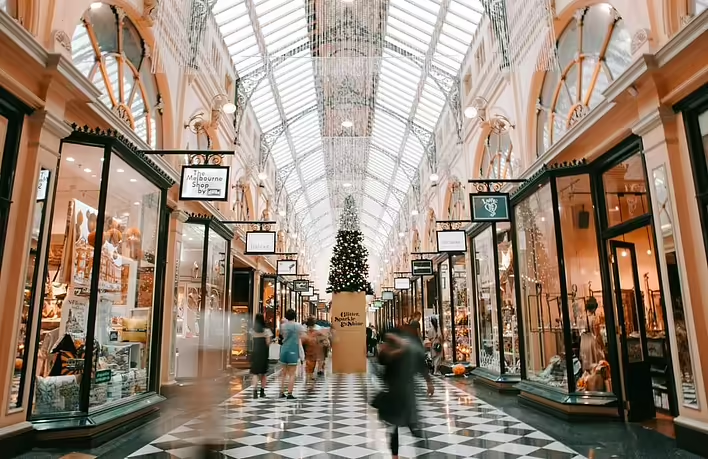
With the development of infrastructure, trade transitioned to more organized forms. Instead of runduchky, covered markets, shops, and supermarkets appeared. The streets that were once filled with runduchnyks became more organized, and spontaneous trade was gradually pushed out.
Although runduchnyks as a profession have disappeared, their spirit lives on in modern markets and small fairs, where people still find joy in buying and selling directly from the hands of the seller.
Like it?React
🧵
This post doesn't have any additions from the author yet.