This content has been automatically translated from Ukrainian.
What is procrastination?
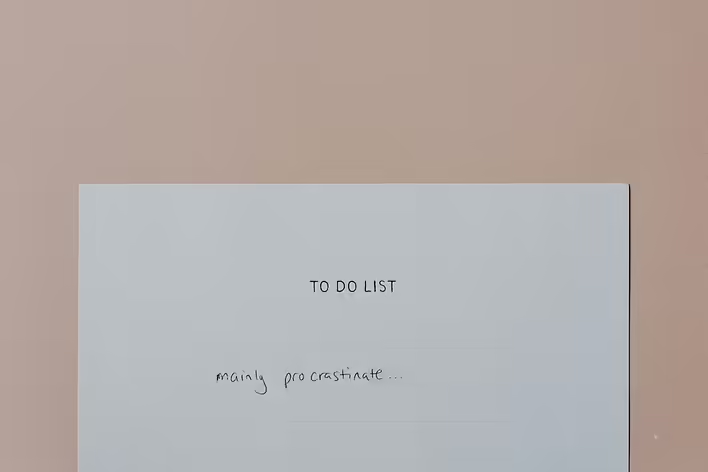
Procrastination is the tendency to delay important tasks or decision-making until a later time, even if this may have negative consequences. It is a behavioral and emotional response that is often accompanied by discomfort, anxiety, or feelings of guilt for not completing important tasks on time.
Causes of procrastination

- Fear of failure. People procrastinate because they are afraid of doing something imperfectly.
- Overwhelm. A large number of tasks can lead to a state of "paralysis," making it hard to focus on one thing.
- Lack of clear goals. When a task seems vague, it is difficult to start.
- Instant gratification. People tend to choose activities that provide quick satisfaction (e.g., social media) instead of tackling long and complex tasks.
Forms of procrastination
- Active procrastination. A person delays tasks but works under stress and often finishes everything at the last moment.
- Passive procrastination. Tasks are postponed without any real intention of completing them, leading to chronic avoidance of tasks.
How to fight procrastination?

- Break tasks into smaller parts. It’s easier to take small steps than to tackle a large task all at once.
- Set realistic deadlines. This helps avoid open-ended timelines that create the illusion of endless time.
- Use the Pomodoro technique. Work for 25 minutes without a break, then rest for 5 minutes.
- Motivate yourself. Think about the reward you will receive after completing the task.
Procrastination is a normal experience that happens to everyone from time to time. The main thing is to learn to control it and turn it from a barrier into a push for action.
Like it?React
🧵
This post doesn't have any additions from the author yet.