This content has been automatically translated from Ukrainian.
What is embossing?
Embossing is a technique for creating a relief image or text on various materials using a special tool or device. This stamping method is used to give the surface volume, texture, and aesthetic appeal. Due to its versatility, embossing is applied in various fields – from printing to souvenir production.
How embossing works
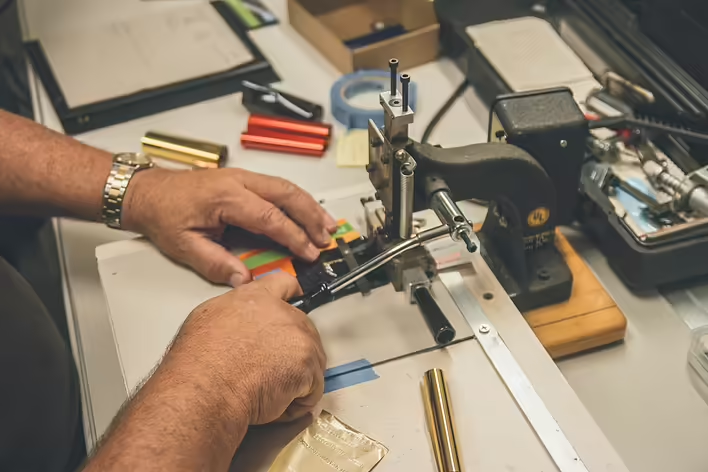
The embossing process involves creating a relief on the surface of a material such as paper, cardboard, leather, metal, or plastic. For this, the following are used:
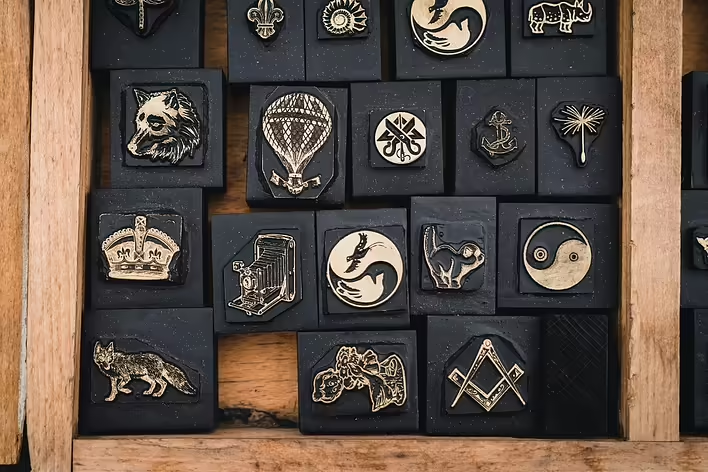
- Die (matrix and counter-die). These are two parts of a stamp that create the impression: one raises the material while the other forms the indentation.
- Pressure and heating. The material is clamped between the matrix and counter-die, allowing for a clear relief. Heat is sometimes used for better results.
- Material. Depending on the type of embossing, a suitable material that responds well to stamping is chosen.
Types of embossing
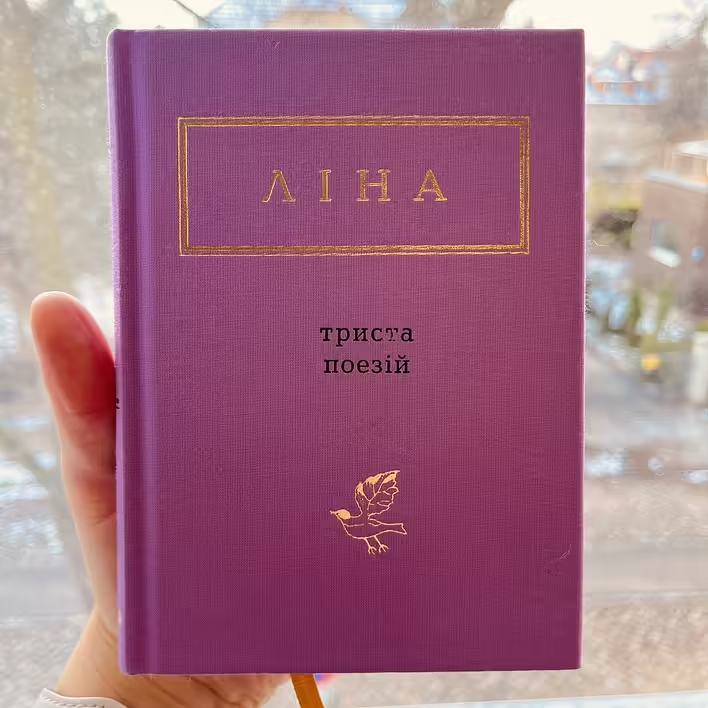
Embossing is divided into several main types depending on the technique used and the effect:
- Dry embossing (blind embossing). Stamping without inks or foils, creating a relief image of one color with the material.
- Foil embossing. A combination of embossing and applying metallic foil to create a shiny effect.
- Relief printing. A combination of embossing with coloring, where the image becomes both relief and colored.
- Debossing. The reverse technique, where the image or text is formed as an indentation.
Where embossing is used
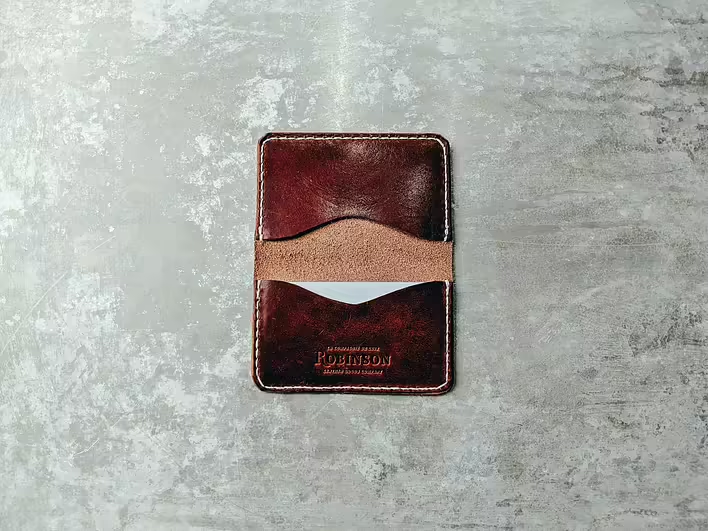
Embossing is used in many fields as it adds elegance and attracts attention. Here are some of them:
-
Printing.
- Business cards, invitations, certificates. Relief text or logos add premium quality and individuality.
- Book and magazine covers. Embossing is used to create texture or highlight titles.
-
Packaging.
- Gift boxes. Stamping gives the packaging sophistication.
- Labels on bottles, products, or cosmetics. Foil embossing emphasizes the exclusivity of the product.
-
Souvenirs and decor.
- Postcards and photo albums. Embossing creates a unique style.
- Personalized leather goods (notebooks, wallets, passport covers).
-
Legal documents.
- Notary seals. Embossing is used to protect documents from forgery.
- Official certificates. Embossing emphasizes the importance of the document.
Advantages of embossing
- Aesthetic appeal. Relief images look stylish and attract attention.
- Exclusivity. Embossing adds individuality and uniqueness to products.
- Durability. Stamping remains on the material for a long time.
- Versatility. The ability to apply on various materials and in different fields.
How to create embossing yourself
Embossing can be done even at home using minimal resources:
- For paper: special stencils and stamping tools (available in craft stores).
- For leather: a hot press and metal dies to help create relief on accessories.
- Digital embossing: using modeling software and special printers.
Embossing is not just a technique, but a way to transform ordinary items into works of art. It finds its place in both everyday life and high fashion and art. Whether it's a luxurious book cover or an exquisite business card, embossing adds charm to products, making them special.
Like it?React
🧵
This post doesn't have any additions from the author yet.