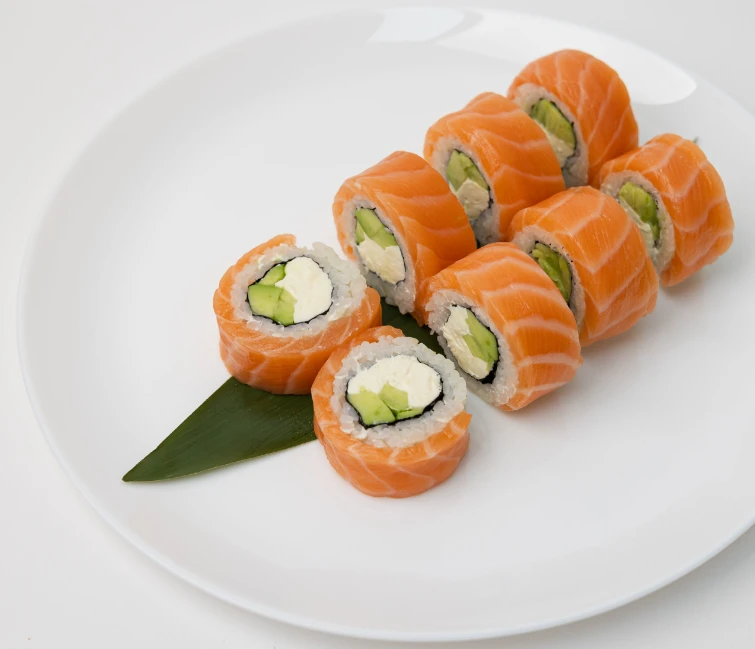
If you are a true fan of Japanese cuisine, you have undoubtedly, at least once in your life, wondered why the flavors differ so much. For example, let's consider one of the most popular rolls found on the menu of all establishments offering sushi — Philadelphia with salmon.
Although the Philadelphia roll is not a classic Japanese dish, but an American adaptation (invented in the USA in the 1980s, named after Philadelphia cream cheese), in Ukraine, Europe, and the USA it is indeed one of the most popular rolls, and in the local context, it is often referred to as "classic." Considering that the Philly roll according to the classic recipe is a combination of fish, rice, cream cheese, nori leaves, and cucumber (or avocado), the taste should be the same in all establishments. But in practice, one order can evoke delight, while another can cause surprise from the very taste of the rice.
The secret is actually simple and lies in the details. Usually, visitors do not know the peculiarities of restaurant cuisine, even if they are regular customers of a sushi bar. Therefore, we will break down step by step what makes the Philadelphia sushi unparalleled and how the country of origin of the salmon is connected to the taste.
Classic Philadelphia: the foundation of taste
Undoubtedly, the quality of the ingredients is the first basis of the future dish:
If Norwegian chilled salmon is used, we will have a tender and buttery texture and a subtle aroma. Frozen fish, on the other hand, becomes less firm and loses flavor nuances.
Regarding the rice: Classic Philadelphia requires a special type of rice — short-grain, with a higher starch content. This variety is more expensive than others, so sometimes establishments purchase budget alternatives that are drier or, conversely, too sticky.
Nori leaves ideally should be elastic yet crispy, with a barely noticeable hint of smoke. Low-quality leaves usually have holes, do not hold their shape well, taste bitter, and have an unpleasant texture.
The taste of cream cheese, which should harmoniously combine all the nuances of the ingredients, will alter the perception of the rolls. If the cheese is of high quality and fatty, made from real cream, the rolls will be unparalleled. Plant-based substitutes can ruin even fresh and good other ingredients.
Philadelphia roll and cooking technology
First of all, the rice. A large part of the success lies in the correctness of its preparation. After all, even the most expensive and freshest fish cannot save a roll if the rice is too dry or resembles porridge. The proportions are crucial, just as is the cooking time of the rice grains.
Each sushi master has their own recipe for a balanced rice seasoning. Vinegar, salt, sugar — common ingredients, but they can give the rolls a spicy, tangy, or sweet flavor.
And one more thing: the temperature of the rice when served should be close to human body temperature. Rice from the refrigerator, prepared in advance, will "kill" the flavors of the cheese, shrimp, and fish.
Usually, the fish delicately wraps the rice on top. When the strip of fish is too thin, it simply gets lost in the taste of the rice; if the slice is too thick, the tenderness of the cream cheese will go unnoticed. The art lies in cutting a piece of the right shape, thickness, and size, against the grain. Then the dish not only has an unparalleled taste but also that appetizing appearance: buttery fish with characteristic stripes.
By the way, in many establishments, smoked (or lightly smoked) salmon is used for Philadelphia instead of raw/lightly salted — this significantly changes the taste (adds smokiness and saltiness), although the classic version specifically calls for un-smoked salmon.
Seasoning and sauce as the final touch
Wasabi, soy sauce, and pickled ginger can vary greatly in quality across different establishments, and this also significantly affects the overall impression of the rolls.
In good places, soy sauce is natural, brewed (not chemical), with a deep flavor and proper saltiness. Wasabi is either fresh grated root (hon-wasabi) or at least a quality paste without unnecessary colorings, not green powder with horseradish.
As for ginger — it is generally the "litmus test" of the establishment.
Quality gari is made into thin, almost transparent slices, it is gently pink or pale yellow, crispy, with a bright but not aggressive flavor and a slight sweetness.
Does the skill of the sushi master affect the taste of the rolls?
Definitely yes! Try giving the same set of ingredients to two different specialists, and each will make their unique Philadelphia roll with salmon. Despite the recipe being classic. Surprisingly, the taste will be influenced by the density of the roll's wrapping, the evenness of the filling, and the thickness of the rice layer.
In each establishment, sushi and rolls will have their own special taste, influenced by numerous factors. These are the reasons why every connoisseur of Japanese cuisine prefers one establishment over another. And to find a favorite place, sometimes you have to try rolls in more than one restaurant.