This content has been automatically translated from Ukrainian.
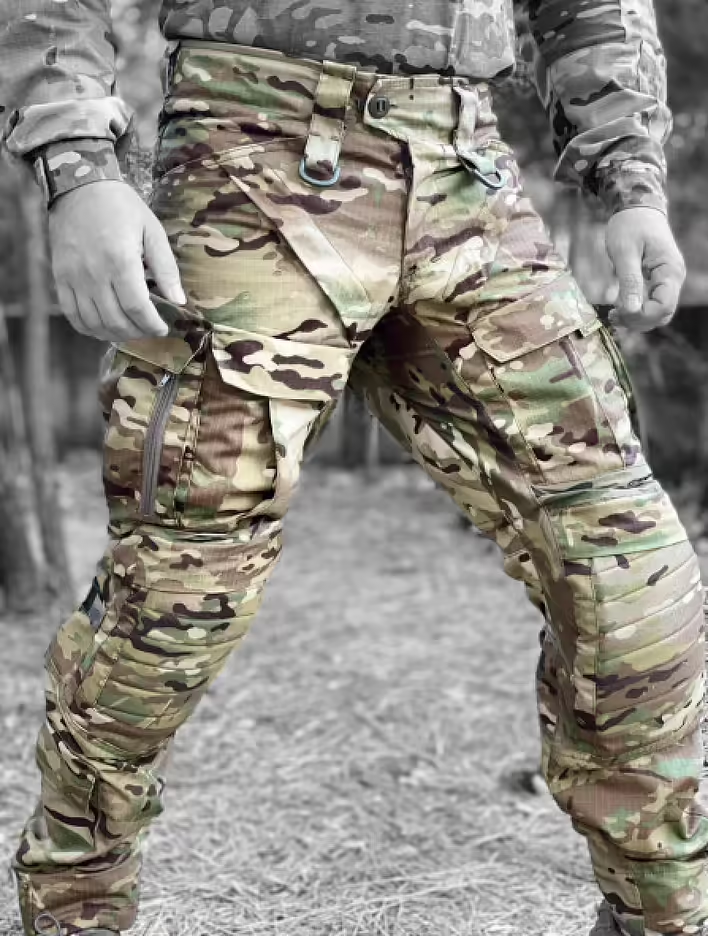
Tactical pants are not just clothing; they are a reliable partner in any situation. They combine durability, functionality, and comfort, making them indispensable for military personnel, law enforcement, hunters, tourists, and anyone leading an active lifestyle.
If you are looking for quality tactical pants, you can find a wide selection at this link: https://prof1group.ua/bryuki.
But what makes them so special? Of course, the material! It determines how well the pants withstand the trials of bad weather, wear and tear, and extreme conditions. So let's break down which fabrics are best suited for this important part of your wardrobe.
What are tactical pants and their features
Tactical pants are essentially a hybrid between regular pants and professional gear. They are designed with the needs of people working in challenging environments in mind, where mobility, protection, and the ability to have necessary items at hand are important.
The main features of tactical pants include:
- Durability: Made from high-quality, wear-resistant materials capable of withstanding significant loads.
- Functionality: Equipped with numerous pockets of various sizes and purposes, allowing for convenient storage of necessary gear.
- Comfort: Provide freedom of movement and comfort even during prolonged wear.
- Protection: Shield against wind, moisture, dirt, and mechanical damage.
Who are tactical pants designed for: overview of the target audience
Tactical pants are not just for military or police personnel. Their versatility makes them popular among a wide range of people.
- Military and law enforcement: For them, these are part of professional gear that ensures reliability and functionality in combat conditions.
- Hunters and anglers: An excellent choice for active outdoor recreation, where protection from the elements and the ability to have necessary tools at hand are important.
- Tourists and outdoor enthusiasts: Ideal for hiking, expeditions, and other adventures where durable and comfortable clothing is needed.
- Security personnel: Provide comfort and functionality while performing duties.
- Military style enthusiasts: Simply stylish and practical clothing for everyday wear.
Key characteristics of tactical pants: what to pay attention to
When choosing tactical pants, it is important to consider several key characteristics:
- Material: Wear resistance, water-repellent properties, breathability, comfort.
- Cut: Convenience, freedom of movement, size accuracy.
- Number and placement of pockets: Functionality, ease of gear placement.
- Sewing quality: Strength of seams, reliability of fittings.
- Additional features: Presence of reinforcements at the knees, adjustable waist, ability to attach additional gear.
Overview of materials for tactical pants
Here is where it gets interesting! The material is the heart of tactical pants. It determines their durability, comfort, protection from the elements, and much more. Let's look at the most popular options:
Cotton: advantages and disadvantages
Cotton is classic! A natural, breathable material that is pleasant to the body. But is it suitable for tactical pants?
Advantages:
- Comfort: Soft and pleasant to the touch.
- Breathability: Allows air to pass through well, letting the skin breathe.
- Hygroscopicity: Absorbs moisture.
Disadvantages:
- Insufficient durability: Wears out quickly, especially with intensive use.
- Long drying time: Soaks up water and takes a long time to dry, which can be a problem in wet conditions.
- Prone to shrinking: May shrink after washing.
However, cotton can be a perfectly acceptable option for everyday wear when extreme characteristics are not required. For example, for office work or city walks in dry weather.
Polyester: properties and applications
Polyester is a synthetic material that has several advantages over cotton.
Advantages:
- Durability: More resistant to wear than cotton.
- Water-repellent properties: Does not absorb moisture, dries quickly.
- Shrink resistance: Does not shrink after washing.
- Lightweight: A lightweight material that provides comfort when worn.
Disadvantages:
- Poor breathability: Can be uncomfortable in hot weather.
- Static electricity accumulation: Can become electrified.
Polyester is a good choice for tactical pants that will be used in wet conditions or during intense physical activity. For example, for mountain hikes or outdoor training.
Nylon: strength and wear resistance
Nylon is another synthetic material known for its high strength and wear resistance.
Advantages:
- High strength: The strongest material of all listed.
- Wear resistance: Resistant to abrasion, tearing, and other mechanical damage.
- Water-repellent properties: Does not absorb moisture, dries quickly.
- Lightweight: A lightweight material that provides comfort when worn.
Disadvantages:
- Poor breathability: Can be uncomfortable in hot weather.
- Prone to fading: May fade in the sun.
Nylon is the ideal choice for tactical pants that must withstand extreme loads. For example, for military personnel, law enforcement, or rescuers.
Blended fabrics (e.g., cotton/polyester): optimal balance
Blended fabrics attempt to combine the advantages of different materials while minimizing their disadvantages. For example, a cotton and polyester blend combines the comfort of cotton with the durability of polyester.
Advantages:
- Balance between comfort and durability: Combine the best properties of various materials.
- Water-repellent properties: Depend on the ratio of materials.
- Breathability: Depends on the ratio of materials.
Disadvantages:
- Cost: May be more expensive than pants made from a single material.
- Care complexity: May require special care.
Blended fabrics are a good choice for tactical pants that need to be comfortable, durable, and functional. For example, for tourists, hunters, or security personnel.
How material choice affects the purpose of the pants
The choice of material for tactical pants depends on what they will be used for.
For hunting: material requirements
For hunting, it is important that the pants are:
- Durable: To withstand contact with branches, rocks, and other obstacles.
- Water-repellent: To protect against rain and dew.
- Quiet: To avoid scaring away game.
- Camouflaged: To conceal the hunter in the terrain.
The best choice is blended fabrics with a water-repellent finish. For example, cotton/polyester with added nylon.
For tactical actions: focus on durability and functionality
For tactical actions, it is important that the pants are:
- Super durable: To withstand extreme loads.
- Wear-resistant: To avoid tearing and wearing out.
- Functional: To have many pockets for gear placement.
- Comfortable: To not restrict movement.
The best choice is nylon or blended fabrics with a high nylon content.
For military service: wear resistance and comfort in various conditions
For military service, it is important that the pants are:
- Reliable: To withstand any trials.
- Comfortable: To avoid discomfort during prolonged wear.
- Adapted to various weather conditions: To protect against heat, cold, and moisture.
The best choice is specialized military fabrics designed with the needs of military personnel in mind.
For everyday use: convenience and practicality
For everyday use, it is important that the pants are:
- Comfortable: To not restrict movement.
- Practical: To have enough pockets for necessary items.
- Stylish: To look good.
The best choice is cotton or blended fabrics with cotton.
Weather conditions and material choice
Weather conditions also affect the choice of material for tactical pants.
Wet weather: water-repellent materials
In wet weather, it is important that the pants are made from water-repellent materials such as polyester or nylon. Cotton pants with a water-repellent finish can also be used.
Cold: insulated options
In cold weather, it is important that the pants are insulated. For this, pants with a fleece lining or insulated pants can be used.
Heat: breathable fabrics
In hot weather, it is important that the pants are made from breathable fabrics such as cotton or linen. Blended fabrics with a high cotton content can also be used.
Care features for tactical pants made from different materials
Caring for tactical pants depends on the material they are made from.
- Cotton: Can be machine washed at high temperatures.
- Polyester: Can be machine washed at low temperatures.
- Nylon: Can be machine washed at low temperatures. Do not use bleach.
- Blended fabrics: See the care instructions on the label.
Popular brands and models of tactical pants with a material overview
There are many brands and models of tactical pants on the market. Here are some of them:
- 5.11 Tactical: Pants made from nylon and blended fabrics, known for their durability and functionality. For example, the 5.11 Tactical Stryke Pant is made from Flex-Tac® fabric, which combines polyester and cotton for strength and comfort.
- Condor Outdoor: Pants made from polyester and blended fabrics, popular for their affordability and good quality. The Condor Defender Pants, for example, are made from polyester with added spandex for greater elasticity.
- Helikon-Tex: Pants made from nylon and blended fabrics, known for their modern design and high quality. Helikon-Tex Urban Tactical Pants® (UTP®) are made from a cotton and polyester blend with added spandex, making them comfortable and durable for everyday use.
Conclusion: Which material is best for your tactical pants, considering your needs and usage conditions
The choice of material for tactical pants is an important decision that depends on your needs and usage conditions. If you need pants for extreme conditions, choose nylon. If you need pants for everyday wear, choose cotton or blended fabrics. If you need pants for wet weather, choose polyester or nylon with a water-repellent finish. Consider your needs and usage conditions, and you will surely find the perfect tactical pants! For a quality selection, we recommend visiting the online store of military and tactical gear for military personnel "PROF1Group," where you will find a wide range of reliable products.
Like it?React
🧵
This post doesn't have any additions from the author yet.