Varicose veins of the lower extremities – is not just a cosmetic defect. It is a chronic progressive disease of the venous system that, if left untreated, can lead to serious complications. According to statistical data, up to 30% of the adult population suffers from various forms of varicose disease. Many people delay seeing a doctor for years, perceiving swelling or "spider veins" on their legs as normal.
What is varicose disease?
It is a condition in which the veins lose elasticity and the valves that are supposed to prevent the backflow of blood stop functioning properly. As a result, blood stagnates, the venous walls stretch, and nodes and pathological twisted segments form.
How does varicose manifest?
Classic symptoms include:
a feeling of heaviness in the legs, especially after prolonged standing;
swelling in the area of the calves or ankles, worsening by evening;
the appearance of "vascular stars," reticular veins;
itching, burning, night cramps in the calf muscles;
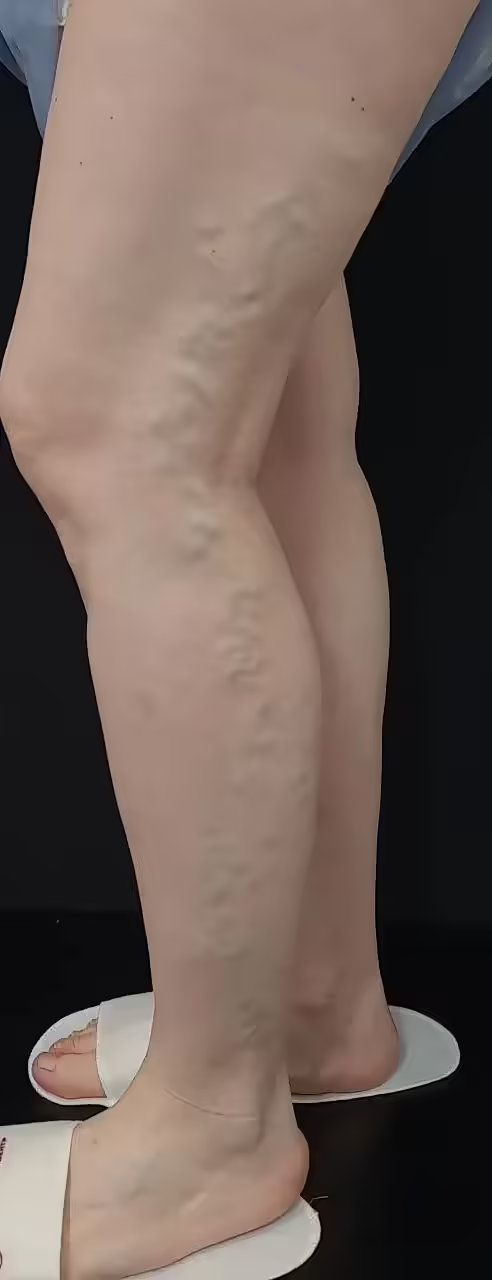
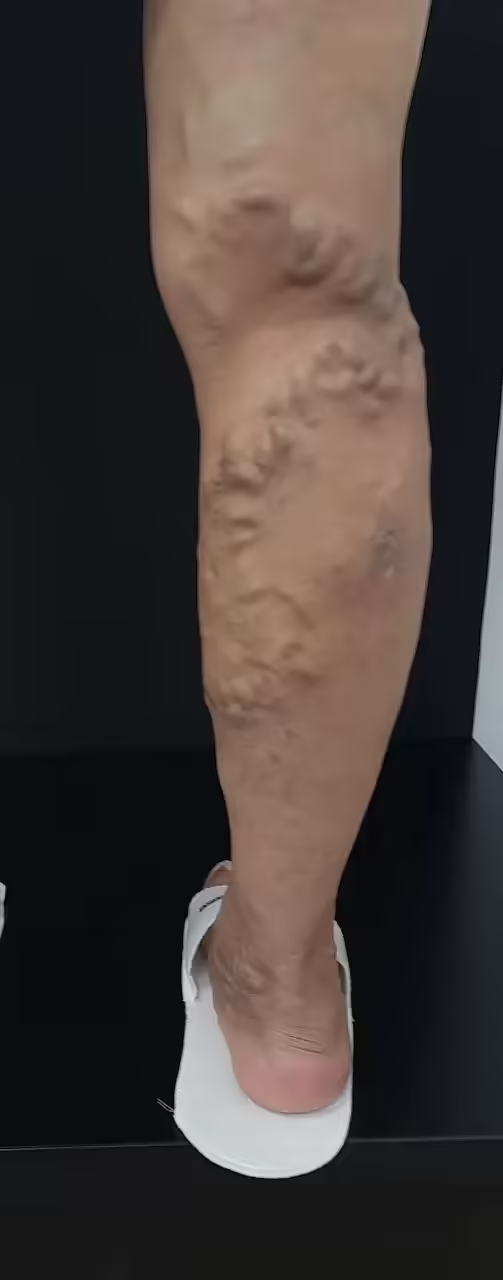
visible varicose altered subcutaneous veins;
in advanced cases – darkening of the skin, trophic ulcers of the skin of the calves.
These symptoms tend to progress slowly, so timely intervention is key.
Modern methods of varicose treatment
In place of classical surgery (phlebectomy), minimally invasive techniques have emerged that allow for painless, outpatient procedures with a short recovery period to eliminate pathological veins.
Detailed information about modern approaches to the diagnosis and treatment of varicose disease can be found at the link:https://varicose.center/. This clinic specializes in the treatment of varicose veins, investing in modern equipment and adhering exclusively to evidence-based medicine.
🔹 CLaCS therapy (Cryo Laser and Cryo Sclerotherapy)An innovative method that combines laser exposure on the vein and micro-sclerotherapy under ultrasound control. The procedure is performed without anesthesia, using cooled air to reduce discomfort.
Advantages:
no incisions or scars;
minimal discomfort;
effective for reticular varicose veins and telangiectasias.
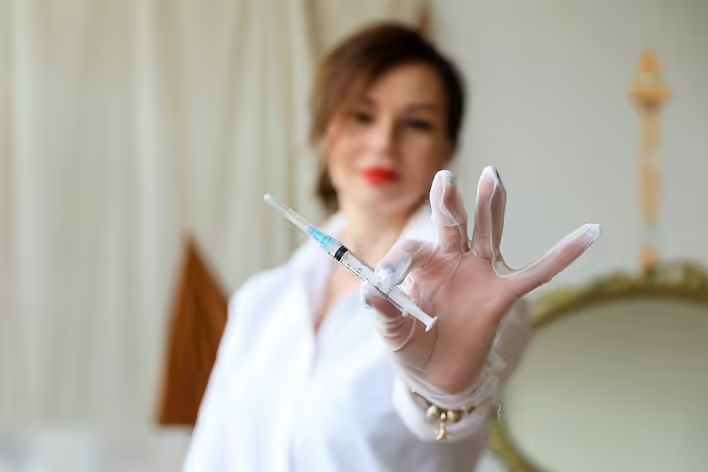
🔹 SclerotherapyInjection of a special drug (sclerosant) into the vein, causing it to stick together and subsequently dissolve. Depending on the type of drug, it can be liquid, foam, or catheter-based.
Indications:
vascular networks, small varicose veins;
as an adjunct after laser or radiofrequency ablation.
🔹 Outpatient microphlebectomyMinimally invasive removal of varicose altered veins through micro-punctures. Performed under local anesthesia, without hospitalization.
When indicated:in the presence of nodular segments of veins that do not respond to sclerotherapy;as an adjunct to endovenous treatment.
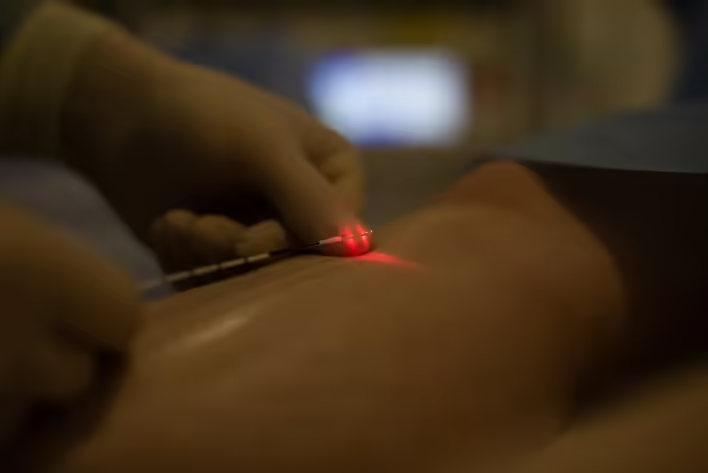
🔹 Endovenous laser coagulation (EVLT)The "gold standard" of modern varicose treatment. A light guide is inserted into the vein through a puncture, delivering laser energy and causing it to close.
Advantages:
outpatient procedure;
does not require general anesthesia;
high effectiveness, minimal risk of recurrence.
Why is it important to treat varicose?
Without intervention, varicose disease can progress to:
chronic venous insufficiency;
thrombophlebitis;
deep vein thrombosis;
trophic skin disorders and ulcers.
The earlier treatment begins, the more effective and less invasive it will be.
Do not delay with examination
If you notice symptoms of varicose disease, do not postpone visiting a specialist. Modern phlebology has all the tools to provide comfortable, effective, and safe treatment. Varicose is not just about appearance; it is about quality of life. Act in time.