This content has been automatically translated from Ukrainian.
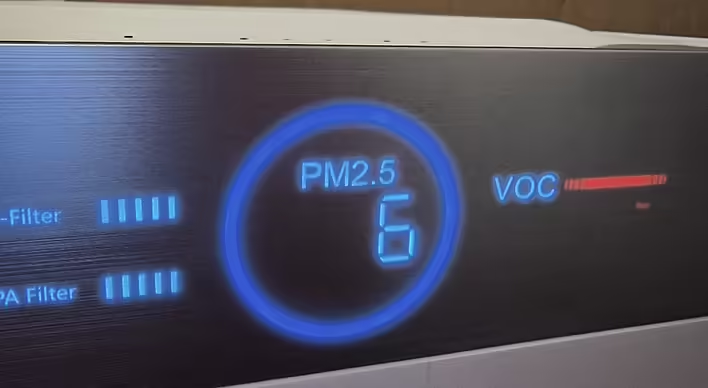
We finally purchased the air purifier TOSHIBA CAF-Y92XPL - it looks solid, works quietly, but in the instructions, we immediately came across two mysterious terms: PM2.5 and VOC. What are they and why does the purifier need to know about them?
PM2.5 is fine particulate matter, particles smaller than 2.5 micrometers, which easily penetrate the lungs and can cause health problems. The air purifier displays the level of these particles in micrograms per cubic meter (μg/m³).
How to read these numbers?
- If the reading is up to 12 - the air is clean, breathing is safe.
- 13–35 - acceptable level, but sensitive individuals may experience discomfort.
- 36 and above - the air is already polluted, especially dangerous for children, people with asthma, or allergies.
- If the value exceeds 100, the situation is considered unhealthy even for completely healthy individuals.
The lower the reading, the better. Ideally, when the number stays within 5–10. If you see 50 or more - it's time to turn on full purification.
VOC (Volatile Organic Compounds) - volatile organic compounds. These include formaldehyde, benzene, acetone - substances released from new furniture, paints, cleaning agents. The purifier monitors these substances and works to neutralize odors and toxins.
Like it?React
🧵
This post doesn't have any additions from the author yet.