This content has been automatically translated from Ukrainian.
What is periodontology
Periodontology is a branch of dentistry that deals with the diagnosis, treatment, and prevention of diseases of the gums and the tissues surrounding the teeth. The health of the periodontium directly affects the overall health of the oral cavity, the stability of the teeth, and even the aesthetics of the smile.
What does a periodontist do
A periodontist identifies and treats inflammatory processes in the gums, performs professional teeth cleaning, treats periodontitis, and develops rehabilitation and prevention programs.
Why gum health is important
Inflammatory processes in the gums can lead to tooth mobility, unpleasant odor, and in severe cases, tooth loss.
Main periodontal diseases
- Gingivitis — the initial stage of gum inflammation, characterized by redness, bleeding, and swelling.
- Periodontitis — a more serious disease that leads to the destruction of ligaments and bone tissue around the teeth.
- Periodontosis — a chronic disease that develops slowly, leading to atrophy of periodontal tissues.
Symptoms to pay attention to
Early signs of gum inflammation
Bleeding during tooth brushing, swelling, discomfort, and bad breath are signals that it is worth visiting a doctor.
When to urgently see a doctor
If teeth are loose, there are purulent discharges from the gums, or there is severe pain, treatment should begin immediately.
Methods for diagnosing periodontal diseases
- Visual examination and probing — assessment of the condition of the gums, measurement of the depth of gum pockets.
- X-ray diagnostics — reveals changes in bone tissue and the degree of damage.
- Laboratory studies — help identify microflora or systemic causes.
Treatment of periodontal diseases
- Conservative methods — professional cleaning, rinsing, local and systemic medications.
- Surgical intervention — curettage of gum pockets, tissue plastic surgery.
- Laser therapy — painless elimination of inflammation, stimulation of healing.
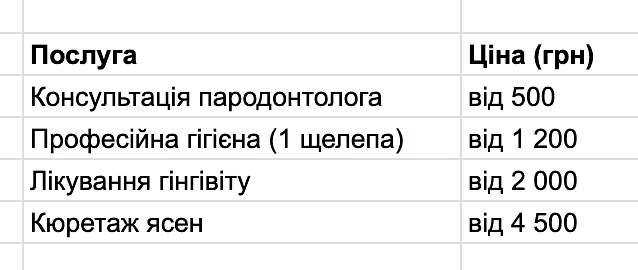
How much does periodontal treatment cost in Odesa
What the price depends on
The price depends on the degree of damage, the volume of procedures, and the technologies used.
Approximate rates:
The exact cost of treatment is determined by the doctor after examination and diagnosis.
Where to undergo periodontal treatment
At the clinic Vatanov in Odesa, modern methods of diagnosis and treatment are used, offering individual therapy programs and comfortable conditions for patients.
How to prepare for a visit to the periodontist
Patient checklist:
- Practice oral hygiene before the visit
- Make a list of medications taken
- Be prepared to discuss accompanying diseases
Care for gums after treatment
Daily hygiene
Regular tooth brushing, use of floss, and mouth rinses.
Preventive visits
It is advisable to visit the periodontist every 6 months for monitoring.
Possible complications if treatment is not received
Ignoring problems leads to:
- loss of teeth
- chronic infections
- deterioration of overall health
How to choose a clinic and a doctor
Evaluate:
- the doctor's qualifications
- the modernity of the equipment
- reviews from other patients
Conclusion
Periodontology is an important branch of dentistry that helps preserve not only the beauty of the smile but also the health of the entire oral cavity. The Vatanov clinic in Odesa offers modern methods, an individual approach, and comfort at every stage of treatment.
FAQ (frequently asked questions)
1. How often should you visit a periodontist? It is recommended at least once every six months.
2. Is periodontal treatment painful? Modern methods and anesthesia make the procedures comfortable.
3. Can periodontitis be completely cured? Yes, in the early stages — completely; in chronic cases — significant improvement.
4. Is special hygiene required after treatment? Yes, regular cleaning and additional products are mandatory.
5. Can gum treatment be combined with prosthetics? Yes, but only after eliminating inflammation and stabilizing the condition.
Like it?React
🧵
This post doesn't have any additions from the author yet.