This content has been automatically translated from Ukrainian.
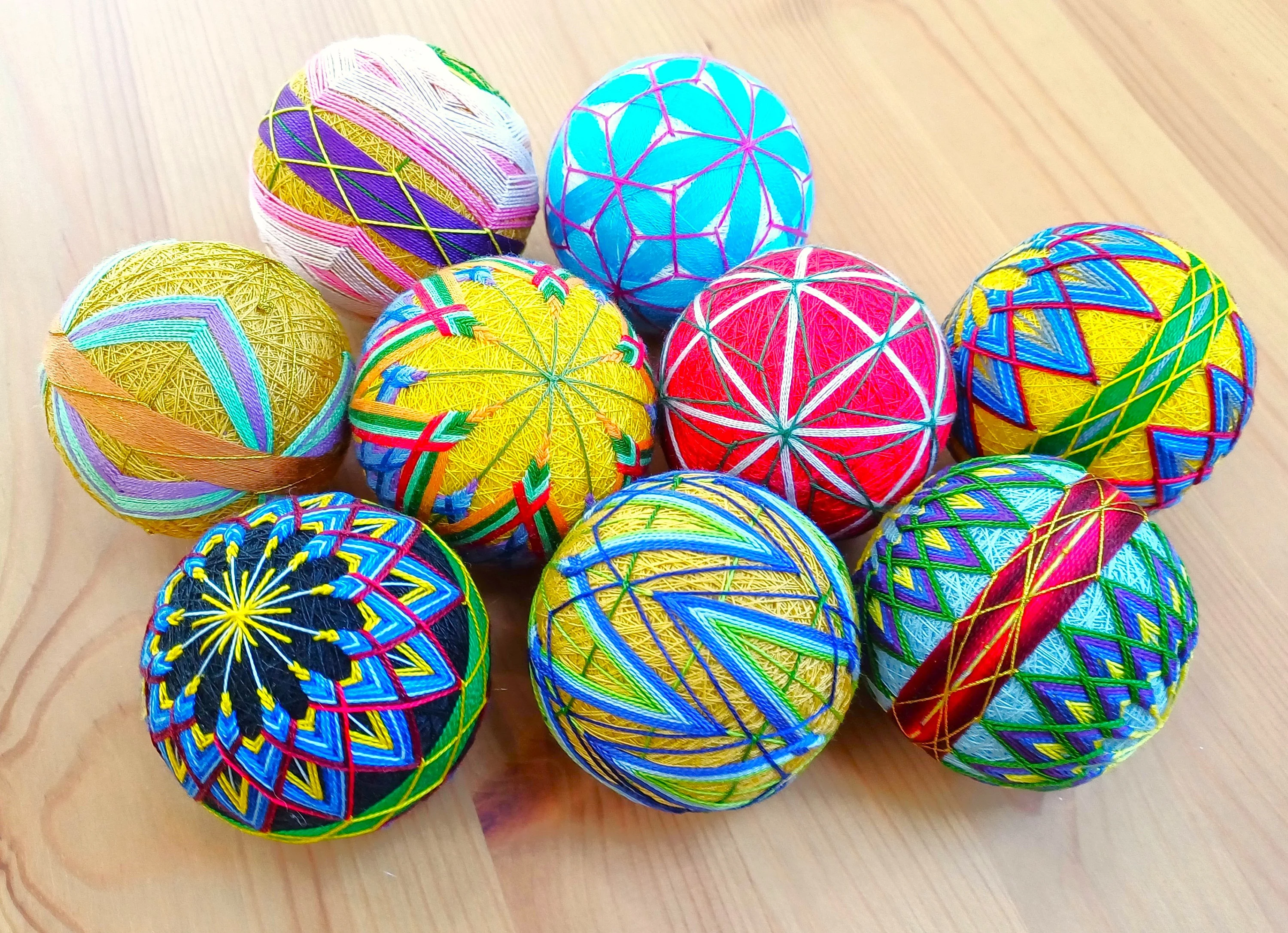
Temari are traditional decorative balls made of threads that originate from Japan and are considered one of the most refined forms of folk art. Today, they are perceived as aesthetic souvenirs or decor elements, but their history is much deeper and connected to everyday life and culture.
Origin of temari
The word "temari" translates to "hand ball" (from "te" — hand and "mari" — ball). Initially, these balls were used as children's toys. It is believed that the tradition emerged around the 8th century when Chinese kemari balls arrived in Japan. Over time, Japanese women began to create their own variations — initially from scraps of old kimono fabric.
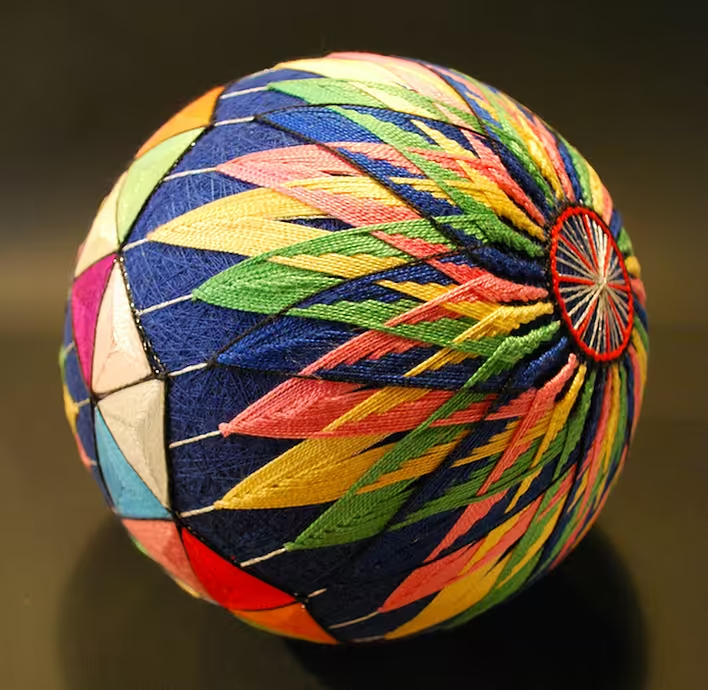
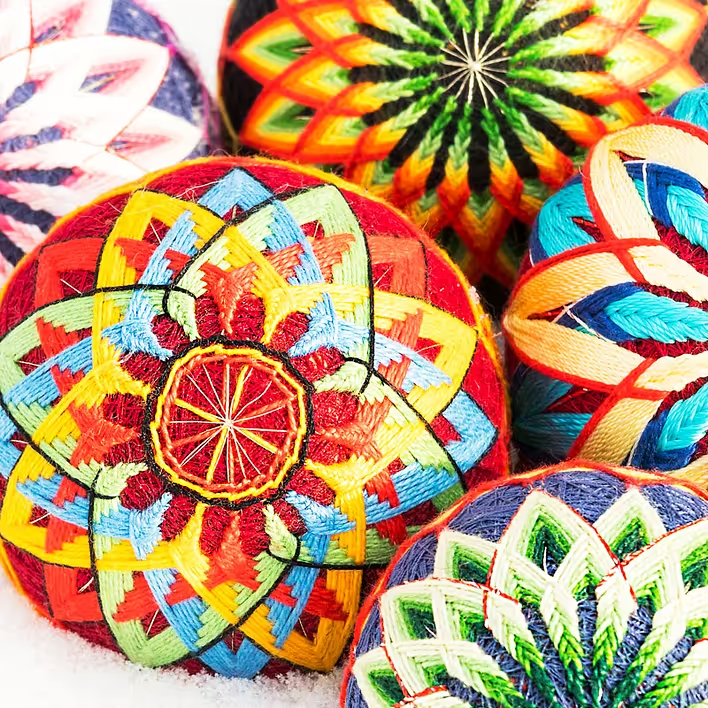
Eventually, simple toys transformed into true works of art: they began to be wrapped with threads, creating intricate geometric patterns and embroidered with colorful silk threads.
How temari are made
The traditional creation of temari is a multi-step process:
- first, the base of the ball is formed (previously from fabric or paper, today often from foam);
- then it is tightly wrapped with threads;
- after that, markings for the future pattern are applied;
- the final stage is decorative embroidery.
Patterns can be both simple and extremely complex, resembling mandalas or geometric compositions. Importantly, many patterns have symbolic meanings — for example, harmony, happiness, or longevity.
Meaning and symbolism
Temari were often given to children on New Year's as a symbol of luck and prosperity. Sometimes, small bells or notes with wishes were placed inside the ball. It was believed that such a ball brings happiness and protection.
In modern culture, temari are not just souvenirs but also a means of meditation and self-expression. The very process of creation requires patience, precision, and attention to detail.
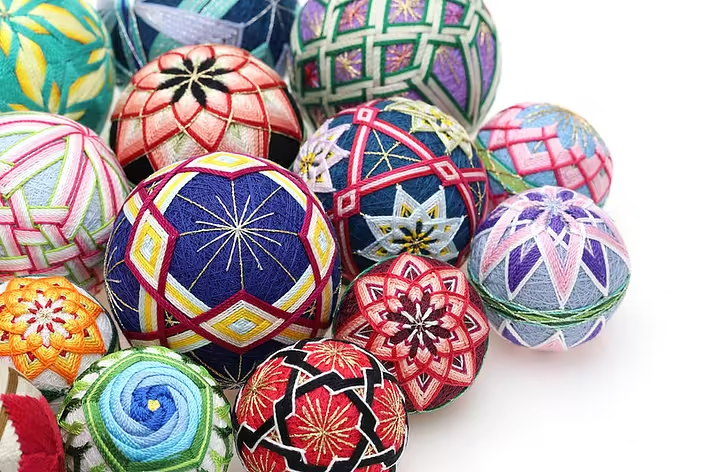
These vibrant balls are used in interior decor, as ornaments or handmade gifts. They combine tradition and modernity, remaining a symbol of harmony and beauty.
Like it?React
🧵
This post doesn't have any additions from the author yet.