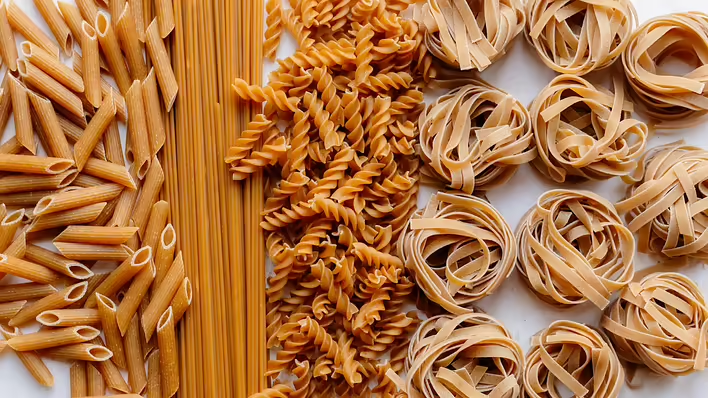
"Al dente" (al dente, translated from Italian — "to the tooth") is a term that describes the ideal degree of cooking pasta (and sometimes rice or vegetables). It is a state when the pasta is cooked but remains slightly firm inside — not overcooked, not soft, but with a slight resistance when bitten.
Why is this important?
Flavor and texture. Al dente is a balance between softness and firmness. Such pasta holds its shape better, feels pleasant on the teeth, and pairs better with sauces.
Health benefits. Pasta cooked al dente has a lower glycemic index than overcooked pasta. This means it raises blood sugar levels more slowly and keeps you feeling full longer.
Culinary standard. In Italy, soft, overcooked pasta is almost a culinary crime. Al dente is a sign of culinary culture and respect for the ingredient.
How to cook pasta al dente?
Take a large amount of water (at least 1 liter per 100 g of pasta) and salt it well.
Add the pasta to the boiling water.
Cook for 1–2 minutes less than indicated on the package.
Check: bite a piece — it should still have a barely noticeable firmness inside.
Drain the water and immediately mix with the sauce — ideally, the pasta "finishes" cooking with the sauce in the pan for another 30–60 seconds.
Sometimes packages indicate how long to cook the pasta specifically to achieve al dente.
Al dente is not just about pasta
This term is also used when preparing:
Risotto — the rice should not be mushy.
Vegetables — for example, broccoli or carrots, which are served slightly crunchy, not soft.
Lasagna — the sheets should retain their structure, not fall apart.
Interestingly, true Italians almost never rely on a clock or package instructions when cooking pasta — they trust their own taste. They taste the pasta straight from the pot, carefully feeling with their teeth that special moment when there is still a thin, barely noticeable firmness inside. In some high-end restaurants, pasta is intentionally left a bit firmer than what Ukrainians are used to — this texture is considered a sign of culinary authenticity. Shapes with thicker walls — such as penne or bucatini — require special attention, as catching their ideal "al dente" state is a bit more challenging. But when it succeeds, each piece of pasta seems to come alive in the sauce, sounding more expressive, like music — with resistance, rhythm, and character.
"Al dente" is not just a culinary term, it's a philosophy of cooking. It is respect for the ingredient, for texture, for tradition. Cooking pasta al dente means making it tastier, healthier, and closer to the Italian ideal. And believe me, your taste buds will appreciate it!