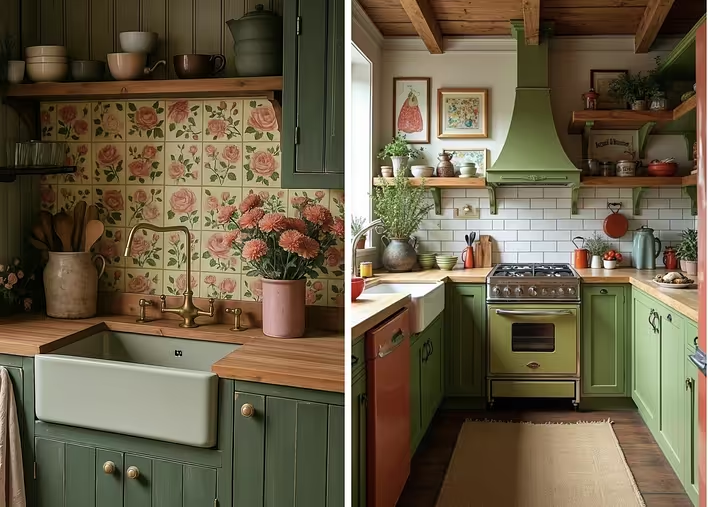
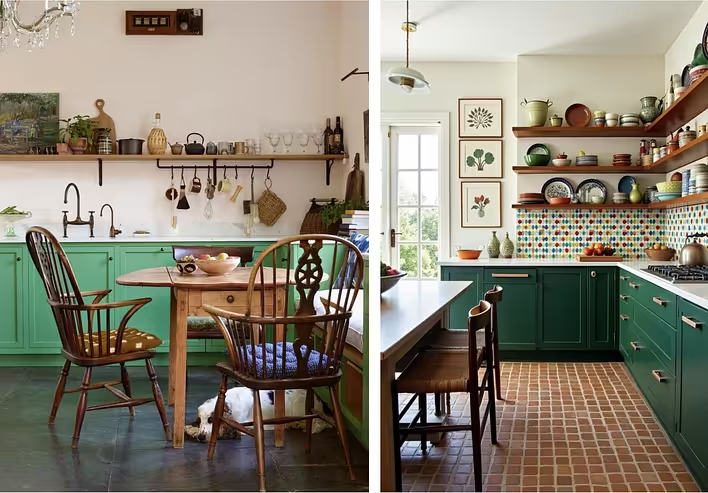
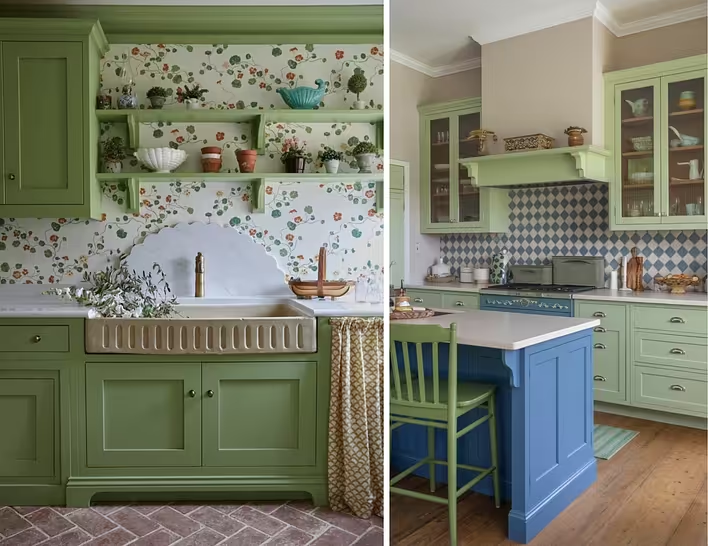
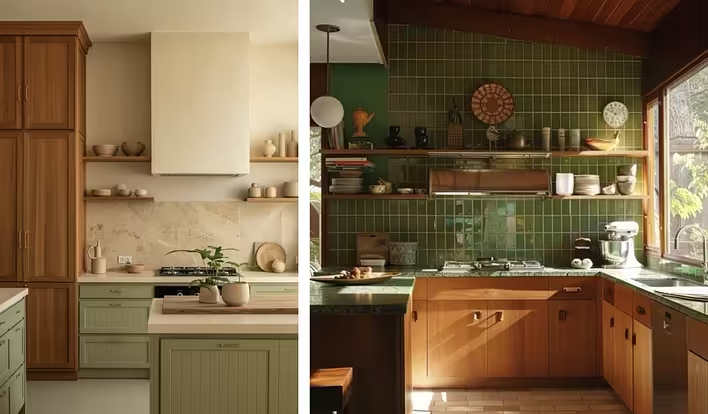
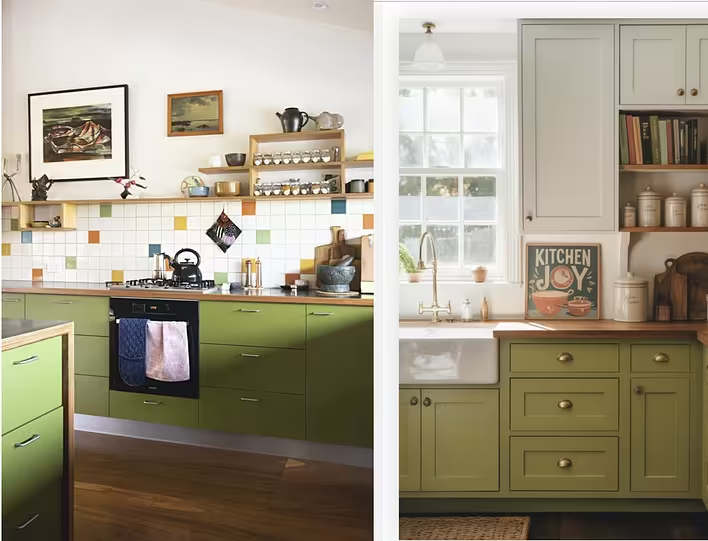
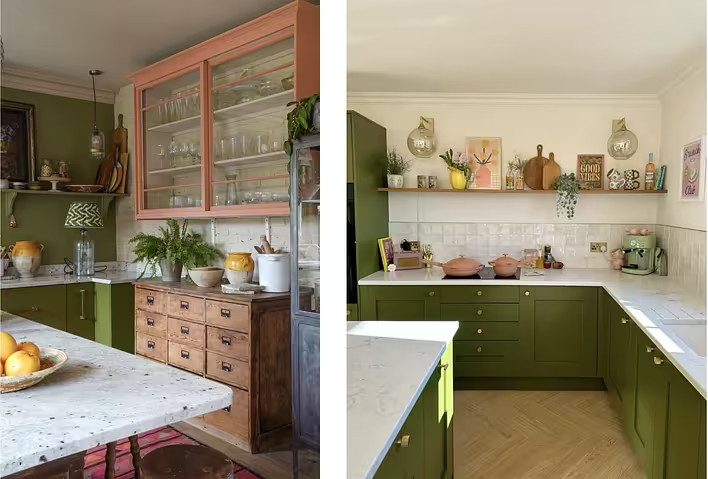
A few years ago, kitchens mostly remained within a safe palette — white, gray, beige. Today, however, it is increasingly common to see interiors where green plays a central role. And this is not a random trend or a fleeting fashion — rather, it is a reaction to changes in lifestyle, moods, and even values.
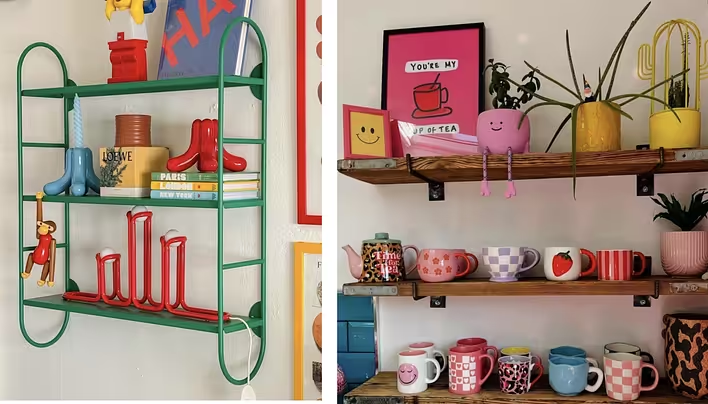
The color green has always held a special status in design. It is associated with nature, stability, and renewal. In the kitchen space, this works particularly well: a place where we cook, eat, and often spend time with loved ones begins to be perceived not only functionally but also emotionally. Green adds a sense of calm to this space but does not make it boring.
After a period of global isolation, interest in natural shades has only intensified. People have begun to appreciate “living” interiors more — those that do not look sterile. A green kitchen, in this sense, becomes a compromise between style and coziness: it looks expressive but not aggressive, modern but not cold.
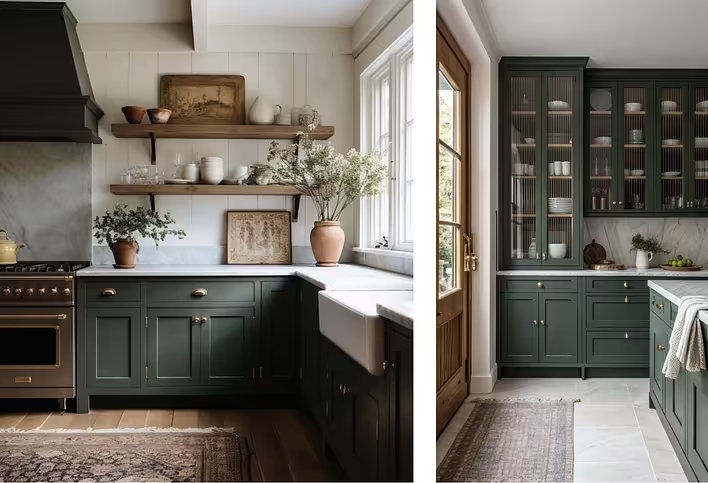
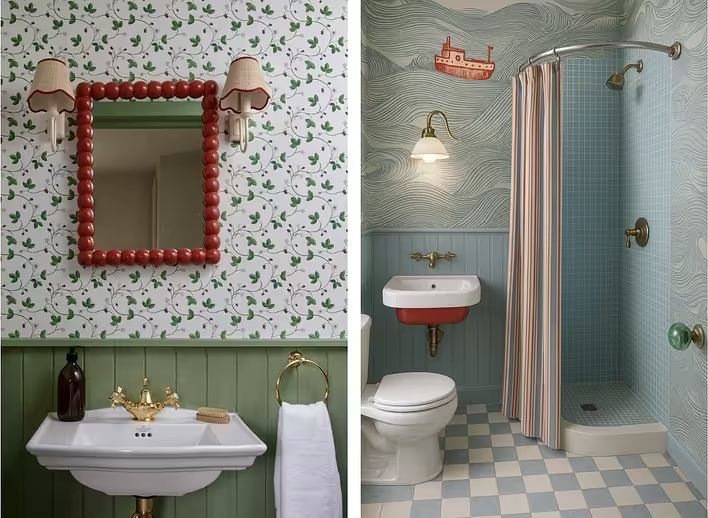
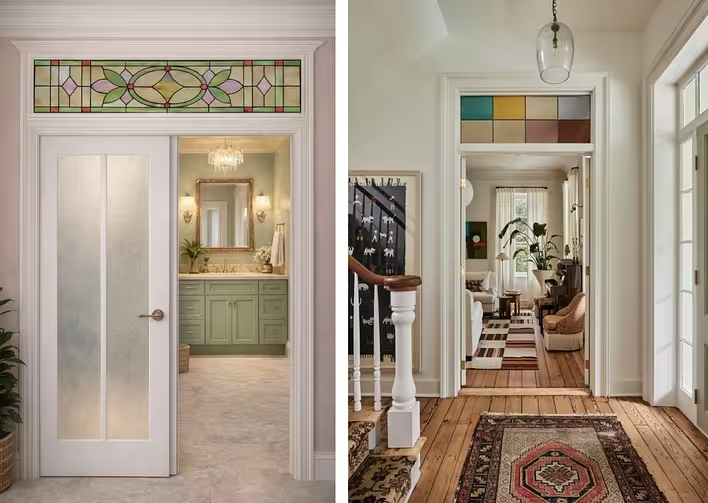
Interestingly, the popularity of green is also related to its versatility. It easily adapts to different styles: deep dark shades resemble classic English kitchens, muted sage fits perfectly into Scandinavian interiors, while brighter variations add character to modern spaces. Unlike many trendy colors, green does not “tire” and withstands the test of time well.
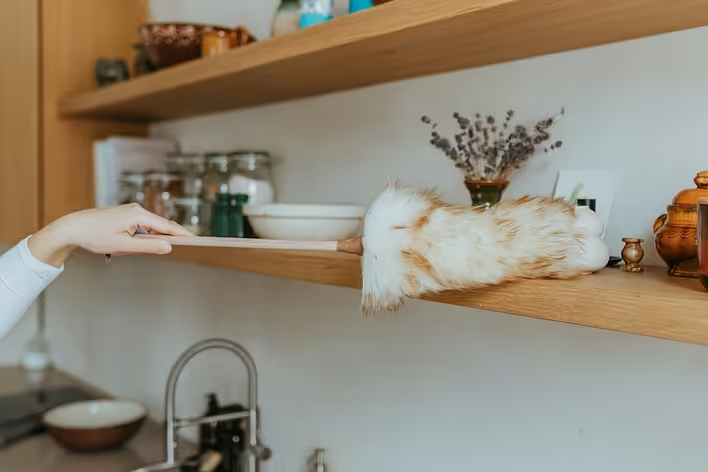
Materials also play an important role. In combination with wood, green looks warmer; with stone, it appears deeper; with metals, it looks more modern. That is why designers so often use it as a base: it does not dictate but adapts.
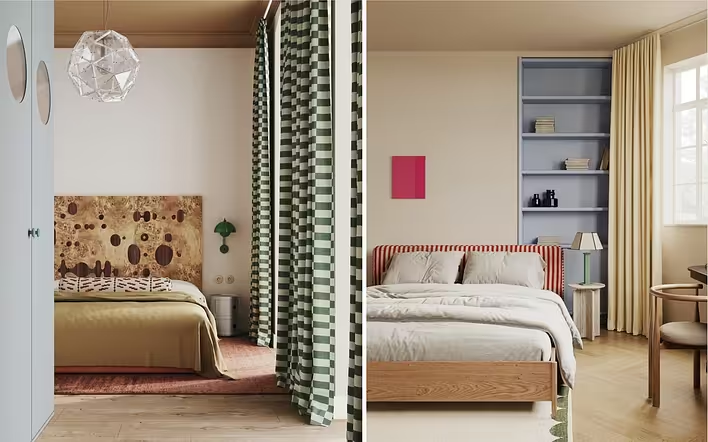
Another aspect is the changing attitude towards the kitchen itself. It has ceased to be exclusively a working area and has transformed into a full-fledged part of the living space. Accordingly, the colors chosen here are more “residential” than utilitarian. Green, in this sense, is closer to the living room or bedroom than to the traditional kitchen palette.
The popularity of green kitchens is also supported by visual platforms like Pinterest and Instagram, where this color looks particularly photogenic. Algorithms favor rich yet natural shades, and green works perfectly here: it adds depth to the frame without overwhelming it.
In conclusion, a green kitchen is not just about color. It is about the desire to make the space more alive, flexible, and comfortable. And it seems that this trend will last longer than it appears at first glance.