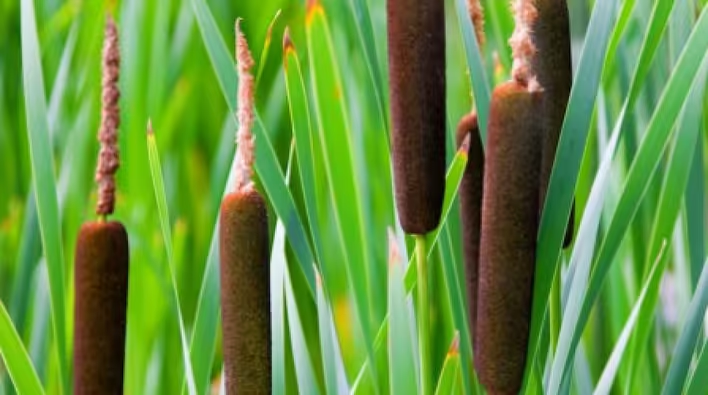
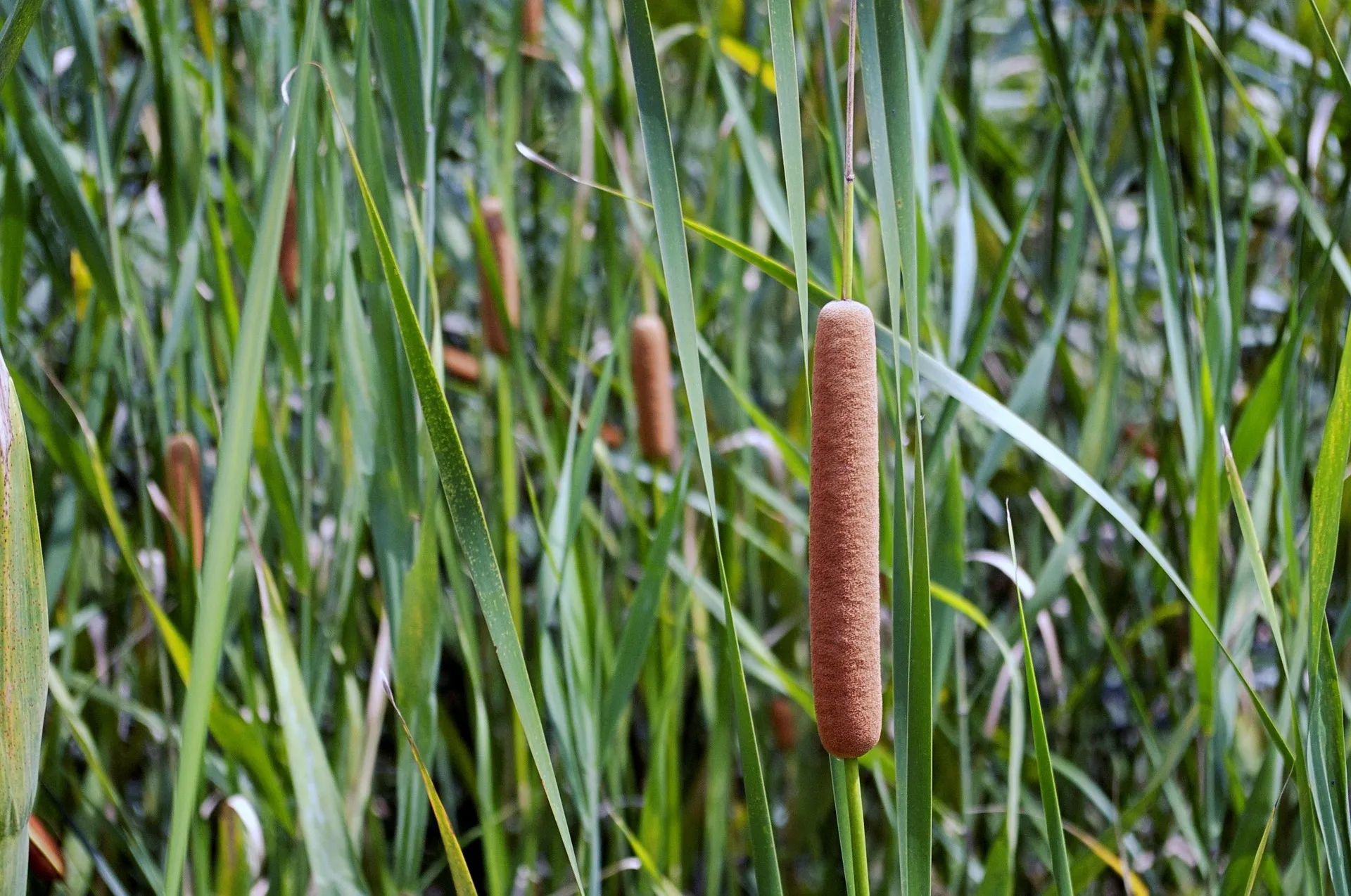
Most people know bulrush thanks to its characteristic brown inflorescences, resembling velvet clubs or cigars. This plant can be seen almost by every pond, lake, or slow-flowing river. It is usually perceived as a common element of the coastal landscape, unaware that in front of them is one of the most useful wild plants of the temperate climate. It is no wonder that bulrush is sometimes called the "supermarket of the marshes," as it has provided people with food, building materials, raw materials for crafts, and even medicine for thousands of years.
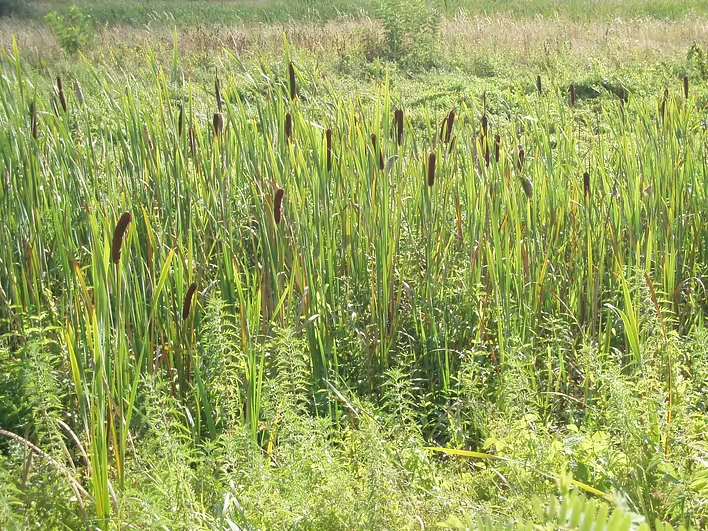
In Ukraine, bulrush grows practically everywhere. It can be found in marshy meadows, along the shores of water bodies, in river floodplains, and in shallow waters. Thanks to its long creeping rhizomes, it forms dense thickets, which can be easily recognized from afar by the dark brown inflorescences on tall stems. Many mistakenly call bulrush reed, although they are completely different plants. True reed belongs to another genus and looks entirely different, while bulrush is distinguished by its characteristic "clubs," which are hard to confuse with anything else.
Bulrush is of particular interest due to its nutritional value. In spring, the young shoots of the plant have not yet hardened and remain juicy and tender. This is why bulrush has received the folk name "Cossack asparagus." The young shoots are peeled of their outer leaves and consumed like true asparagus. They taste like a cross between cucumber, young corn, and green beans. In some regions, they were eaten raw, added to salads, or cooked as a vegetable dish.
However, it is not only the shoots that are edible. Underground, bulrush hides massive rhizomes rich in starch. In various parts of the world, they were used as an important food source long before modern agriculture appeared. The rhizomes were baked, boiled, or dried and ground into flour. Archaeologists believe that for many ancient peoples, bulrush was one of the most important wild food plants.
Even bulrush pollen found its application. It was collected and mixed with flour during bread or cake baking. In spring, young green inflorescences can be consumed, which, after boiling, taste like young corn. Few plants in the temperate zone can boast such a number of edible parts.
However, the value of bulrush is not limited to culinary uses. For centuries, it has been used to make baskets, mats, roofing materials, and even furniture. The dried leaves are noted for their strength and flexibility, making them well-suited for weaving. In many regions of the world, roofs made of bulrush lasted for decades and provided excellent protection from rain.
Especially interesting is the story of using the fluff from mature inflorescences. This lightweight and soft material was used as a filler for pillows, mattresses, and insulated clothing. During wars and resource shortages, it was even attempted to be used as a substitute for cotton.
Modern ecologists also highly value bulrush. Its thickets act as a natural filter, cleaning water from excess nutrients and some pollutants. That is why bulrush is often planted in artificial water bodies and ecological water purification systems. Additionally, dense thickets provide shelter for birds, amphibians, insects, and many other inhabitants of wetlands.
It is not surprising that many folk names have formed around this plant. Besides "Cossack asparagus," in different regions, it has been called marsh candle, club-rush, or simply "reed," although the latter name is botanically incorrect. Such folk names indicate how well bulrush was known to our ancestors and the important role it played in everyday life.
Today, bulrush is most often perceived as a familiar part of the natural landscape. We walk past it during walks by lakes and rivers, hardly paying attention. Meanwhile, this humble marsh plant is a true example of how nature can combine beauty, practicality, and amazing versatility in one species. Once, bulrush fed people, helped them build shelters, and make necessary items, and today it continues to play an equally important role in supporting the health of aquatic ecosystems. The story of bulrush reminds us that even the most ordinary plants often hide much more interesting aspects than they seem at first glance.