Table of contentsClick link to navigate to the desired location
This content has been automatically translated from Ukrainian.
What is sublimation and why does it occur?
Every substance has its own "phase diagram," which shows in which state it exists at different temperatures and pressures. On this diagram, there is a special triple point — it is at this point that a substance can simultaneously be solid, liquid, and gas.
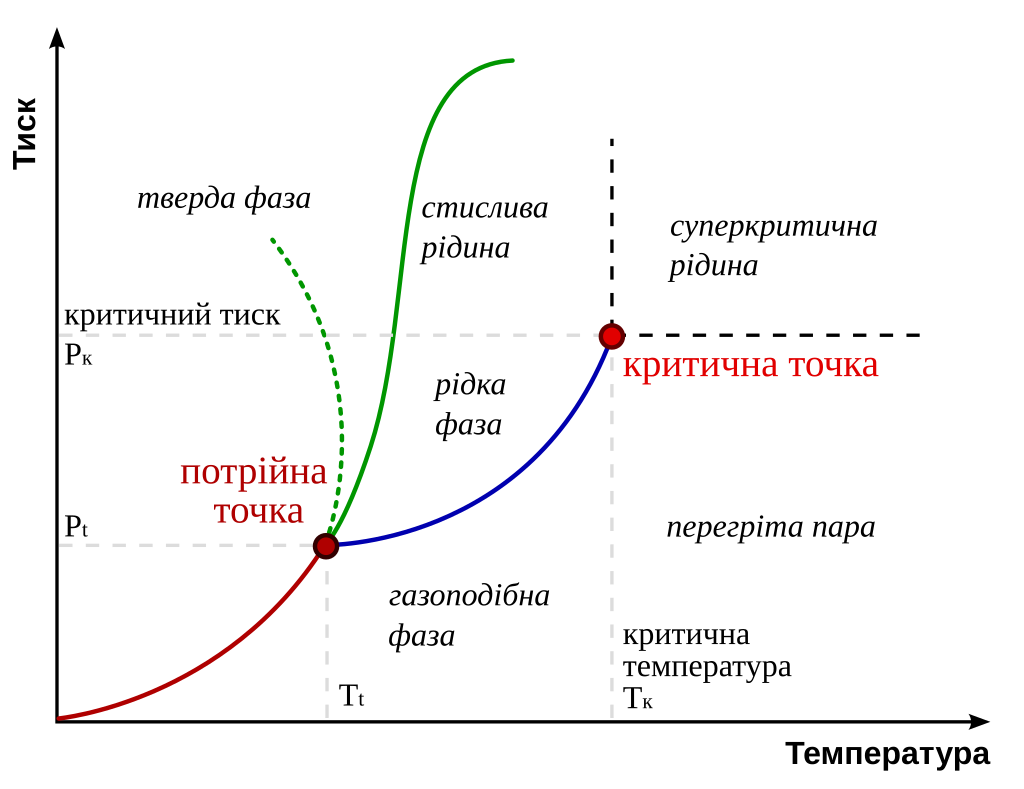
Sublimation occurs when the pressure and temperature conditions are below this triple point. Under such conditions, the liquid phase simply has no chance of existing. Instead, the molecules of the solid substance, gaining energy, "break free" from their bonds and immediately transition into a gaseous state. This process is endothermic, meaning it absorbs heat from the environment, which often leads to cooling. That is why low pressure (vacuum) greatly facilitates sublimation, as it reduces the "resistance" of the molecules trying to detach from the solid surface.
Sublimation in our everyday life
We encounter sublimation more often than we can imagine. Remember winter: even in severe frosts, when the thermometer is far below zero, snow and ice on the roads sometimes disappear without leaving puddles. This is sublimation at work. Water molecules transition directly from solid to water vapor, evaporating straight into the air. Thanks to this same phenomenon, laundry can dry in freezing temperatures.
Another vivid example is dry ice (solid carbon dioxide). It does not melt but "smokes," turning into gas, making it ideal for cooling products or creating special effects at events. Also, solid air fresheners or mothballs slowly "disappear," filling the space with fragrance or repelling moths, are examples of sublimation in action.
Sublimation in industry and innovations
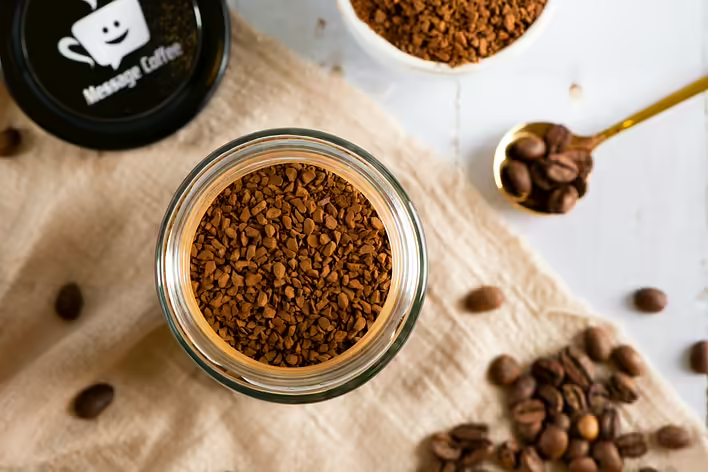
In the industrial context, sublimation reveals its full potential, transforming into a powerful tool. The most popular application is sublimation drying, or lyophilization. This process is a lifesaver for heat-sensitive products. Food, pharmaceuticals, biological samples are first frozen, and then in a vacuum, water sublimates from them, leaving a dry, lightweight, and nutritious product. This is how instant coffee, freeze-dried fruits, and berries for breakfasts or snacks are made. These products retain almost 100% of their beneficial properties, taste, and aroma, and have a long shelf life.
As for vibrant and durable images on fabrics, mugs, or souvenirs — this is the merit of sublimation printing. Special inks, when heated, transition into a gaseous state and deeply penetrate the material's structure, becoming part of it. As a result, the images do not fade, crack, and remain vibrant for a long time. Even in the world of archaeology, sublimation plays an important role, helping to preserve fragile artifacts, such as sunken wooden vessels, preventing their destruction during drying.
This post doesn't have any additions from the author yet.