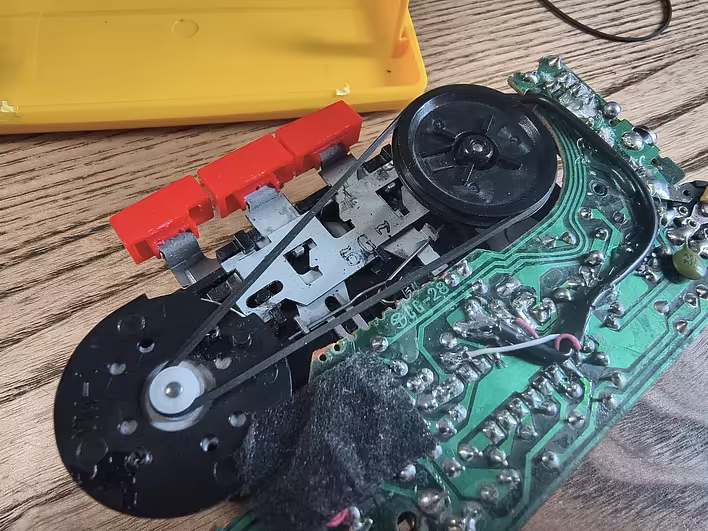
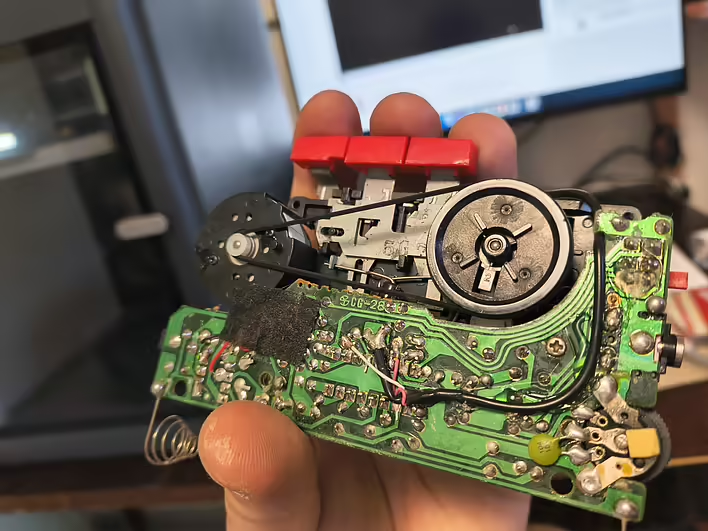
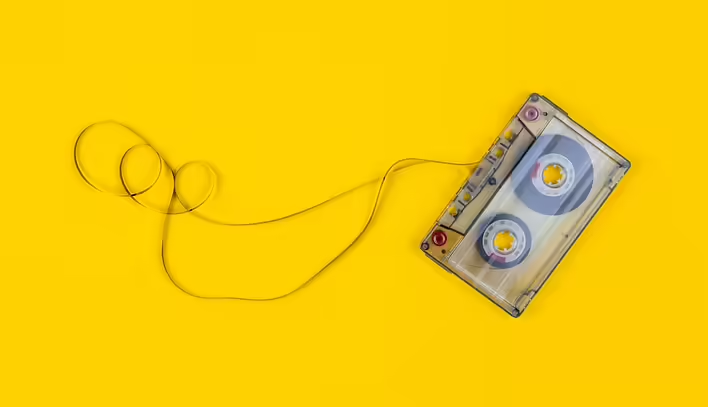
The plan was simple: disassemble the player, measure the belts, order new ones, and replace them.
I found a video online where the author explains how to measure the belts correctly.
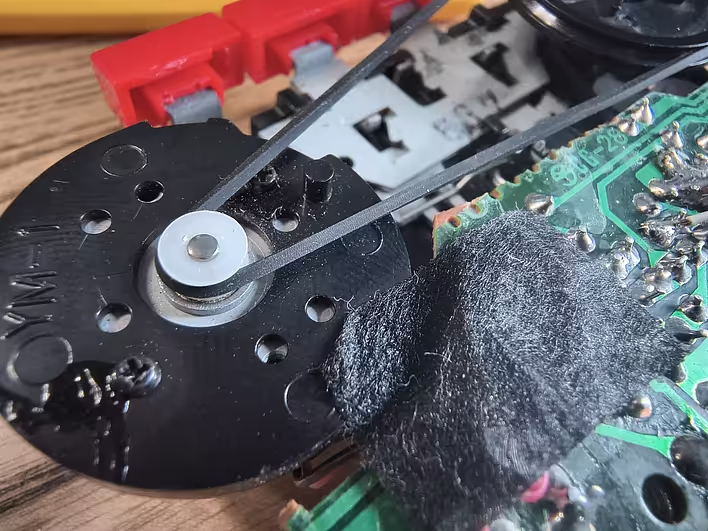
But in practice, it turns out to be quite approximate. There is no service manual, schematics, or information about the belt sizes for my player model (CASIO AS-40). So I took out the old belts, made measurements, and quickly realized that they provide no confidence.
Then I went to check prices in online stores. Individual belts are not cheap (considering shipping), and the chance of making a mistake with the size is quite high. The smartest thing is to buy a set from China, where there are many different options.
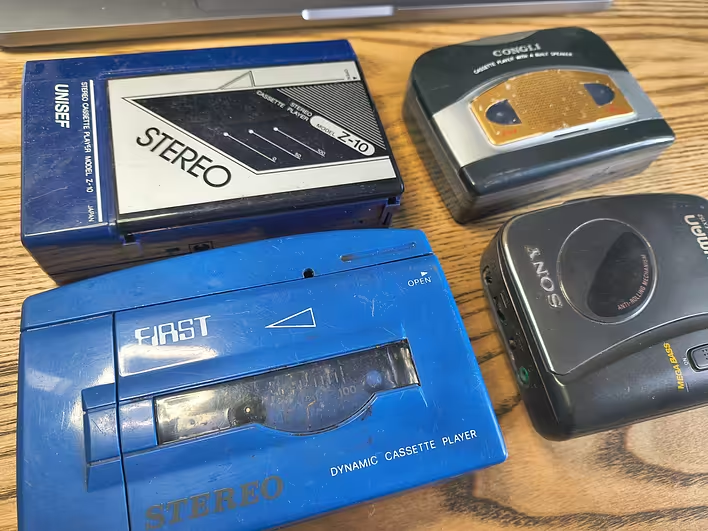
While searching, I remembered that I once bought a lot of several broken players at an auction. One of them looked somewhat alive, so I decided to take a risk at the time. Their star moment has come.
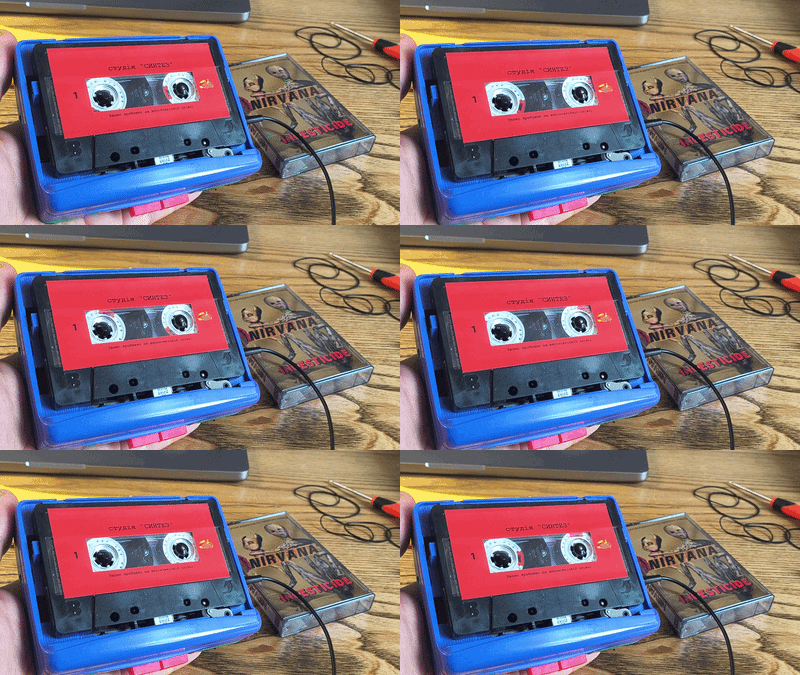
All the donor players turned out to be in terrible condition, but I still found a few intact belts. I installed the tighter belts, assembled the player, pressed Play... and nothing changed. The playback speed is still too low. Kurt Cobain now sounds as if he is singing from the beyond.
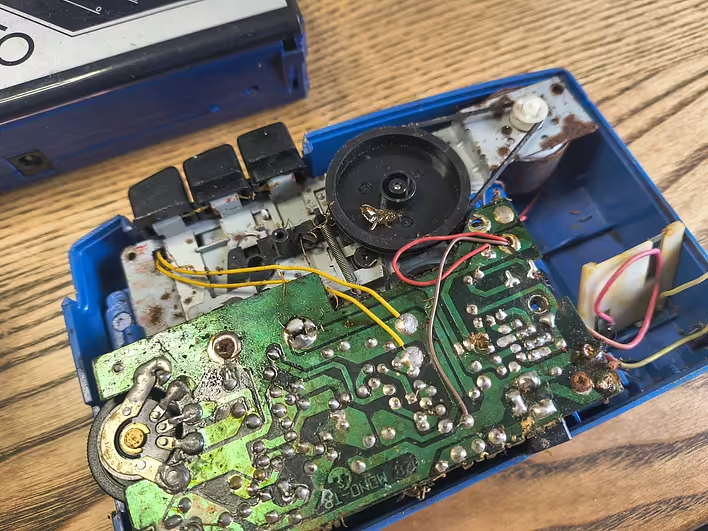
During this time, I have probably disassembled and reassembled the player ten times. Fortunately, the design is simple — just eight screws, so this procedure is almost automated now. I tried various combinations of belts, but the result remains unchanged.
At the same time, I lubricated all the wheels and moving mechanisms. Unfortunately, this had no effect on the playback speed or sound quality.
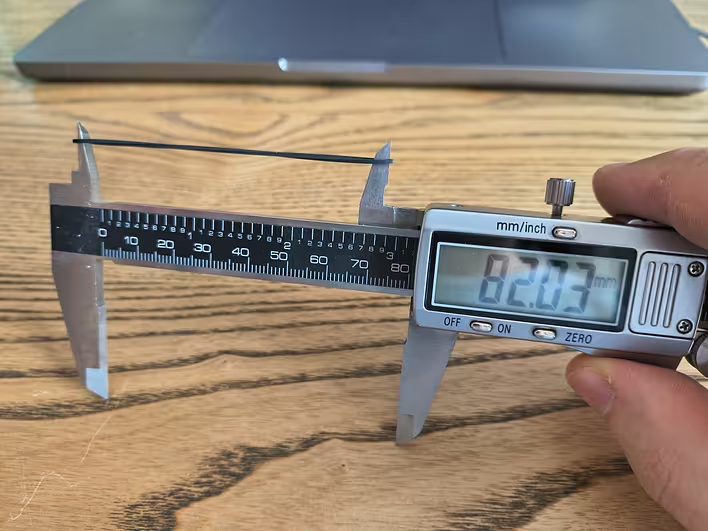
It seems I will still have to order a set of new belts. The caliper shows a thickness of approximately 0.9 mm, the cross-section is square. However, determining the correct length is much more complicated: due to the stretched old belts, it is practically impossible to ascertain the right size.