Table of contentsClick link to navigate to the desired location
This content has been automatically translated from Ukrainian.
What is medium format film?
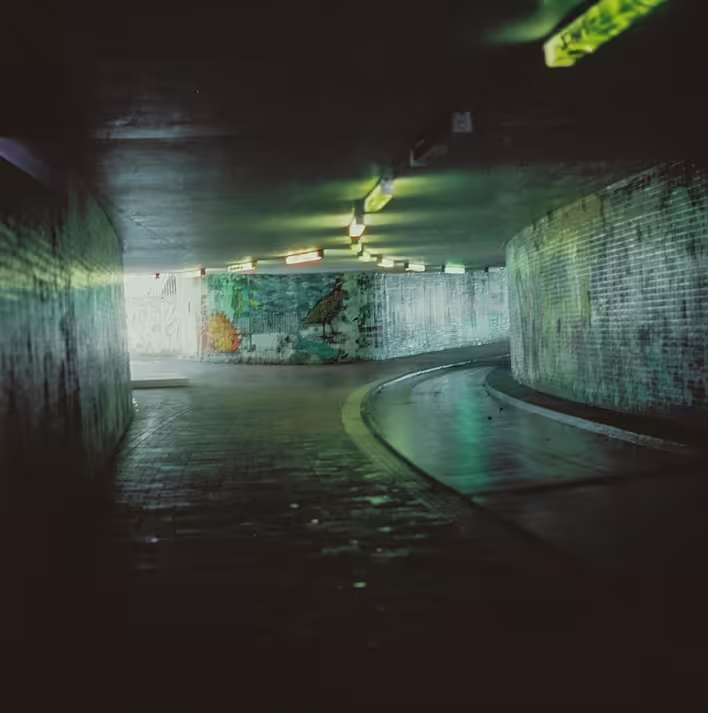
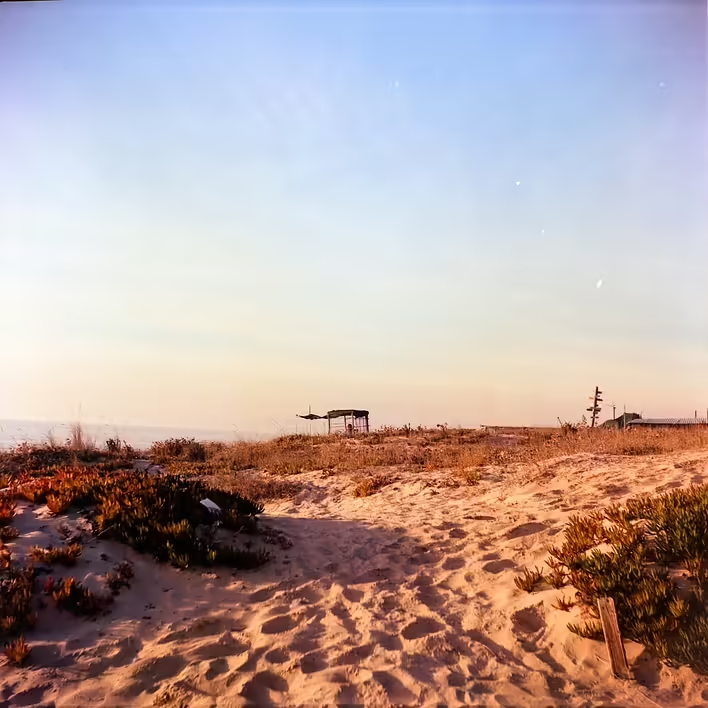
Medium format film is a photographic film that is 60 mm wide, providing a significantly larger frame than standard 35 mm film. The most popular format is 120 film, which is used in cameras such as Holga, Lubitel, Hasselblad, Mamiya, and Rolleiflex.
How does medium format film differ from standard 35 mm?
✅ Frame size: instead of 24×36 mm (as in 35 mm film), medium format cameras use frames sized 6×4.5 cm, 6×6 cm, 6×7 cm, or even 6×9 cm. This provides better detail, softer shadow gradients, and more pleasing background blur (bokeh).
✅ Fewer frames: since each frame is larger, a single roll of 120 film contains 8-16 frames, depending on the format used by the camera.
✅ Depth and detail: due to the larger frame size, medium format film has higher resolution, which is especially noticeable when printing photographs in large format.
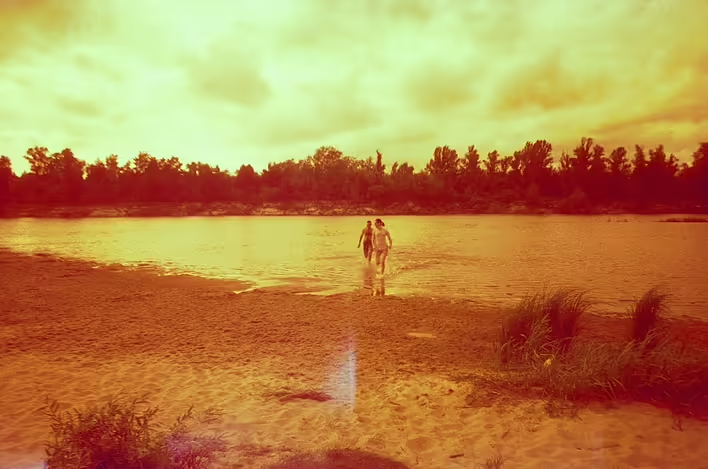
✅ Image plasticity: the characteristic softness, beautiful light play, and extended dynamic range are why medium format images have a "cinematic" look.
Cameras that use medium format film
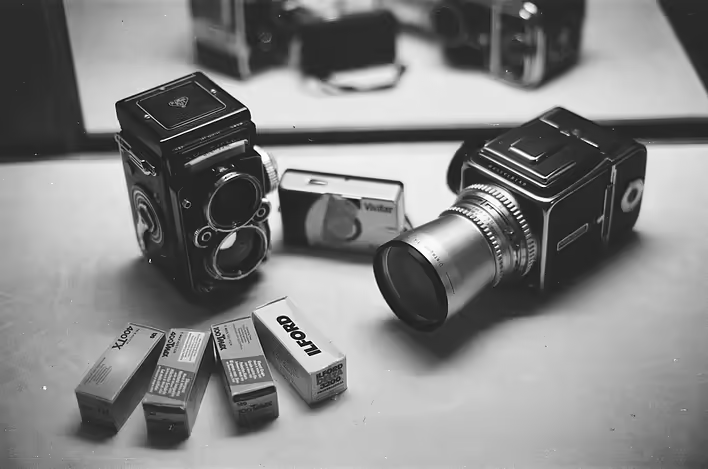
📸 Holga – an iconic plastic camera with minimal settings. It is known for its soft focus, vignetting, and unpredictability, giving photographs a unique lo-fi style.
📸 Lubitel – a Soviet twin-lens reflex camera. It allows you to take pictures in the classic 6×6 cm square format and has better optics than the Holga.
📸 Mamiya, Hasselblad, Bronica – professional medium format cameras used in studio and fashion photography. They have interchangeable lenses and superior optics.
📸 Pentacon Six, Kiev 60 – Soviet medium format cameras that resemble 35 mm reflex cameras but work with a larger 6×6 cm frame.
Why should you try medium format film?
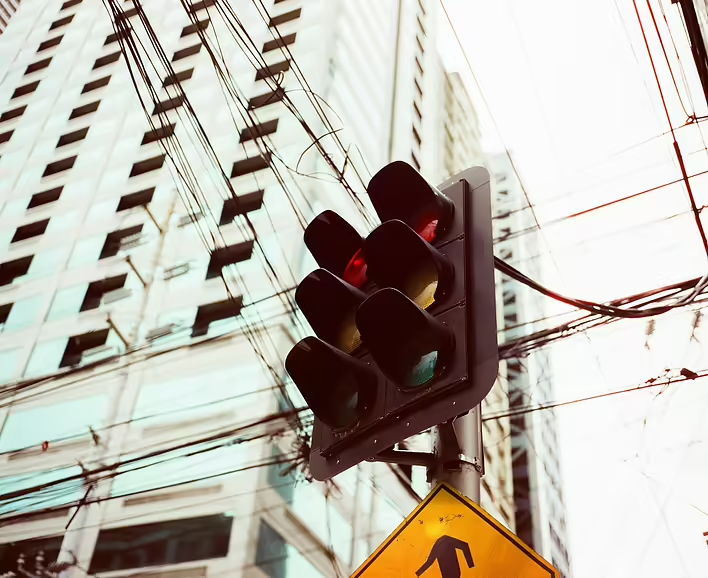
💡 More details and a more dimensional image – each frame looks sharper, deeper, and has more pleasing bokeh.
🎞 Nostalgia and analog aesthetics – even modern digital cameras cannot replicate the unique look of medium format film.
⏳ Slowing down the process – with 8-16 frames on a roll, you start shooting more thoughtfully, paying more attention to composition and exposure.
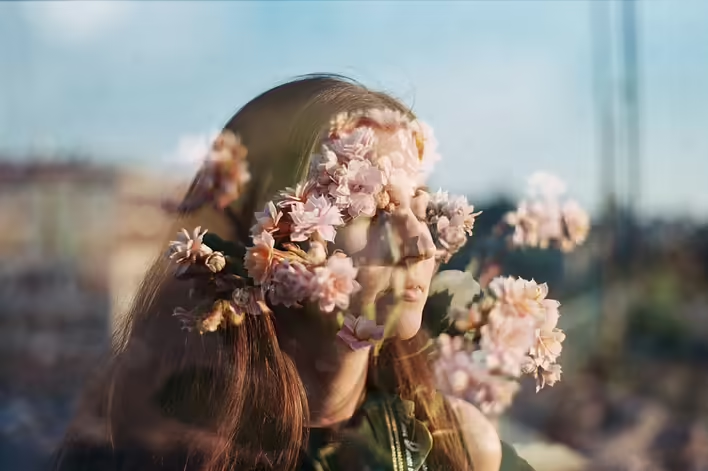
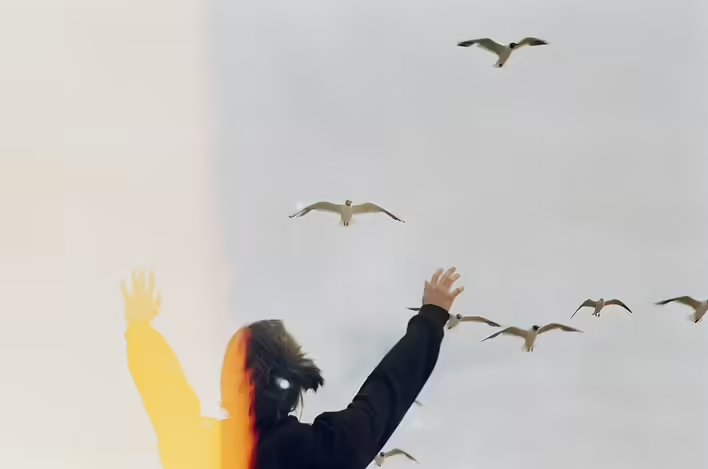
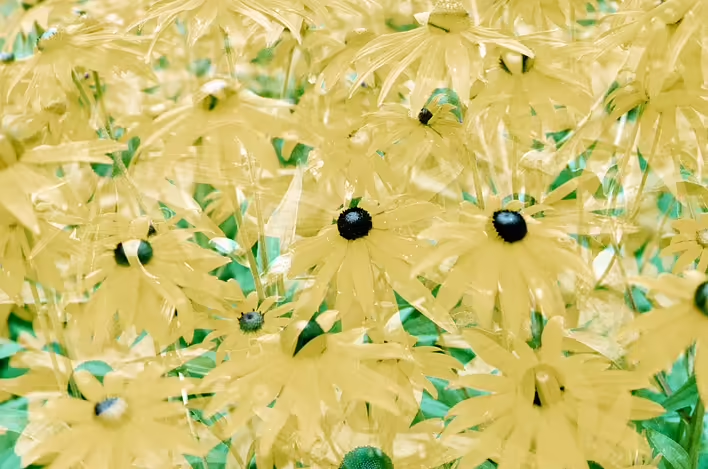
📷 Opportunities for experimentation – from long exposures to playing with double exposure, medium format cameras open up many possibilities.
Medium format film is ideal for portraits, landscapes, and artistic photography, allowing you to capture images that impress with their depth and emotionality. If you have already tried 35 mm and want to take it to the next level, 120 film is an excellent choice.
This post doesn't have any additions from the author yet.