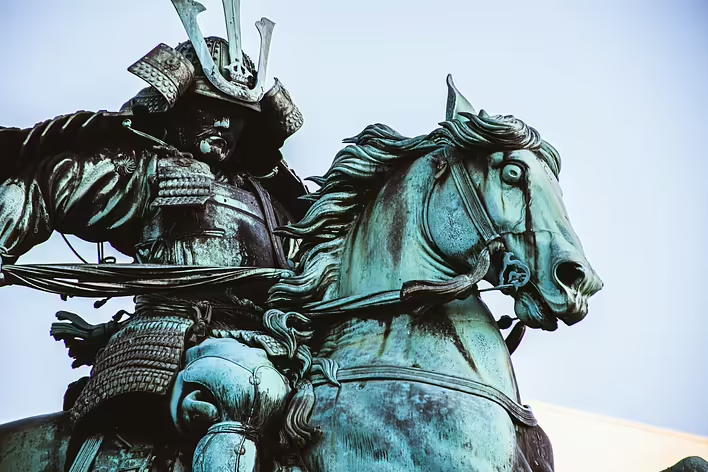
Jidaigeki is a genre of Japanese cinema, theater, and literature that transports the viewer or reader to the times of feudal Japan, primarily during the Edo period (1603-1868). The name comes from the Japanese words "時代劇" (jidai - "era", geki - "drama/play"), which literally means "historical drama".
Jidaigeki tells stories about samurai, ninjas, villagers, and nobles, showcasing codes of honor, martial arts, and daily life of that time. This genre is famous for its epic sword fights, intrigues, loyalty and betrayals, as well as cultural details that provide insight into Japanese history and traditions.
Important features of jidaigeki include:
Samurai ethics - a display of honor, duty, and moral choices of the heroes.
Fight scenes - chronological sword fights, duels, and strategies.
Historical context - lifestyle, costumes, architecture, and social customs of the era.
This genre has inspired not only Japanese filmmakers but also Western directors - from Akira Kurosawa's samurai epics to numerous Hollywood remakes. Jidaigeki allows one to immerse in the atmosphere of ancient Japan, feel the drama of historical events, and appreciate the mastery of martial arts.

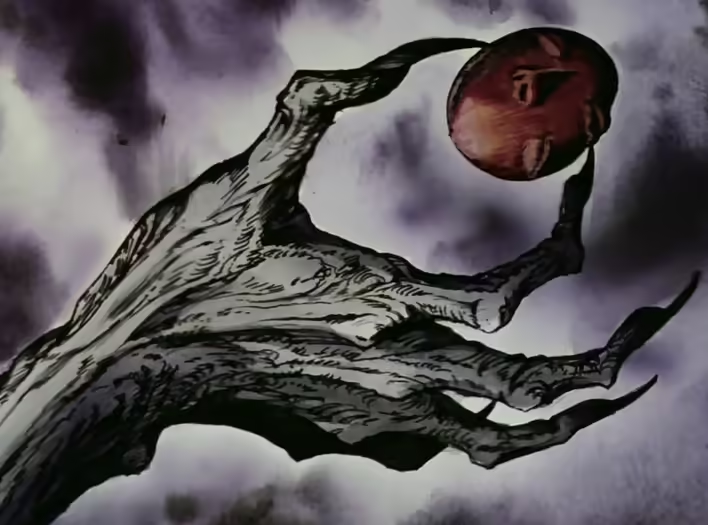

![Comparison of the Berserk animation [Let's watch the trailers]](https://d3kb0xa9zqcv9v.cloudfront.net/l6nzq2kgnqny79yi8tcpf11pkb3i)
![🎥 [Studio Ghibli] A selection of trailers for the studio's masterpieces](https://d3kb0xa9zqcv9v.cloudfront.net/u3lnk06ef5bzn92hn0c83w54nne4)