I watched "American Psycho." Christian Bale plays well. His victims and potential victims do too. But in 2025, the plot doesn't surprise much anymore. So let's go through the movie with the help of Google and Wikipedia.
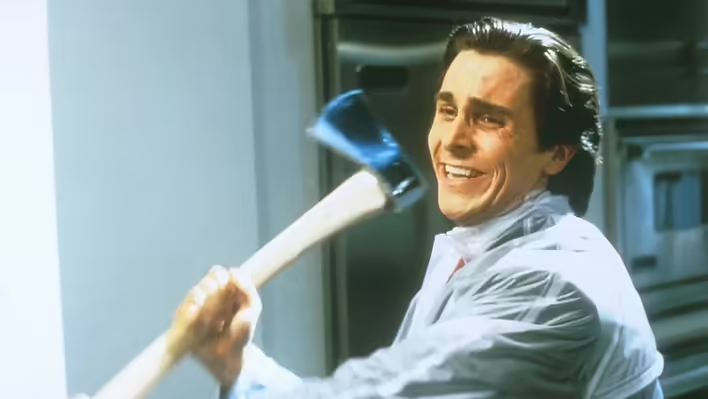
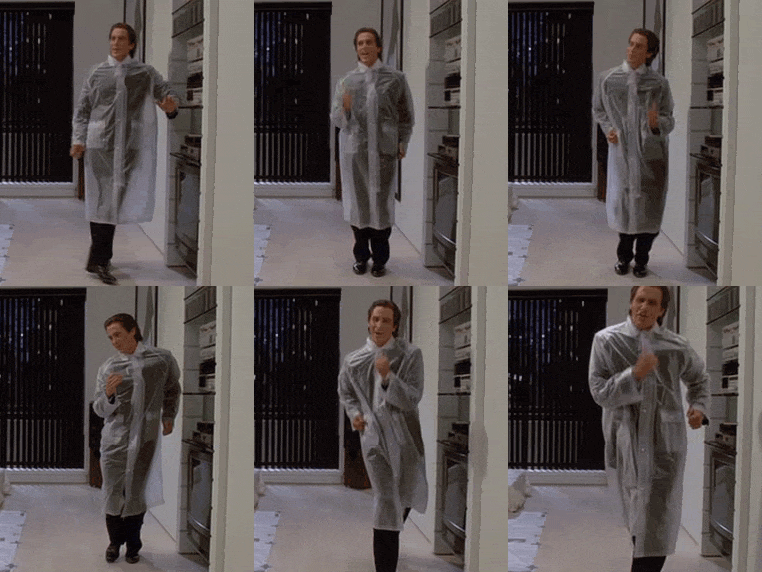
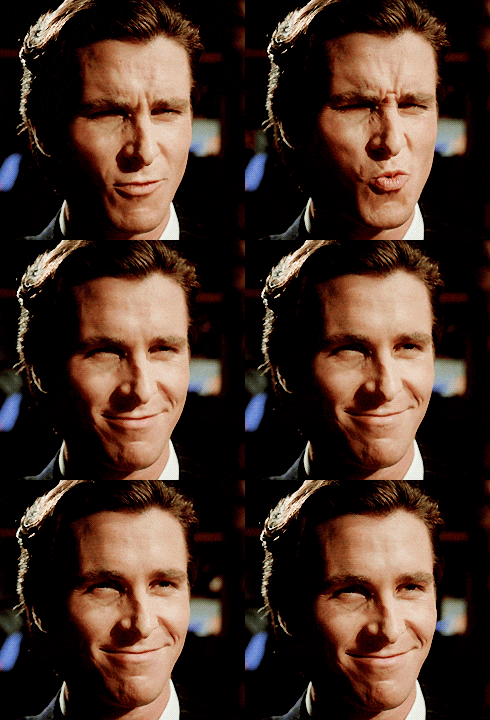
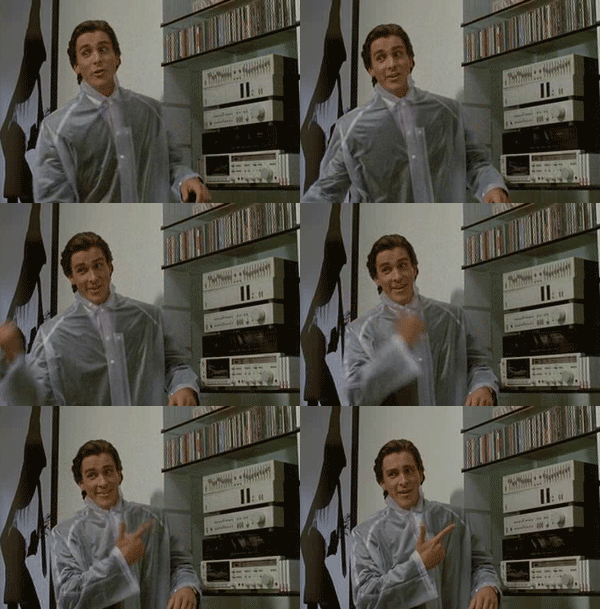
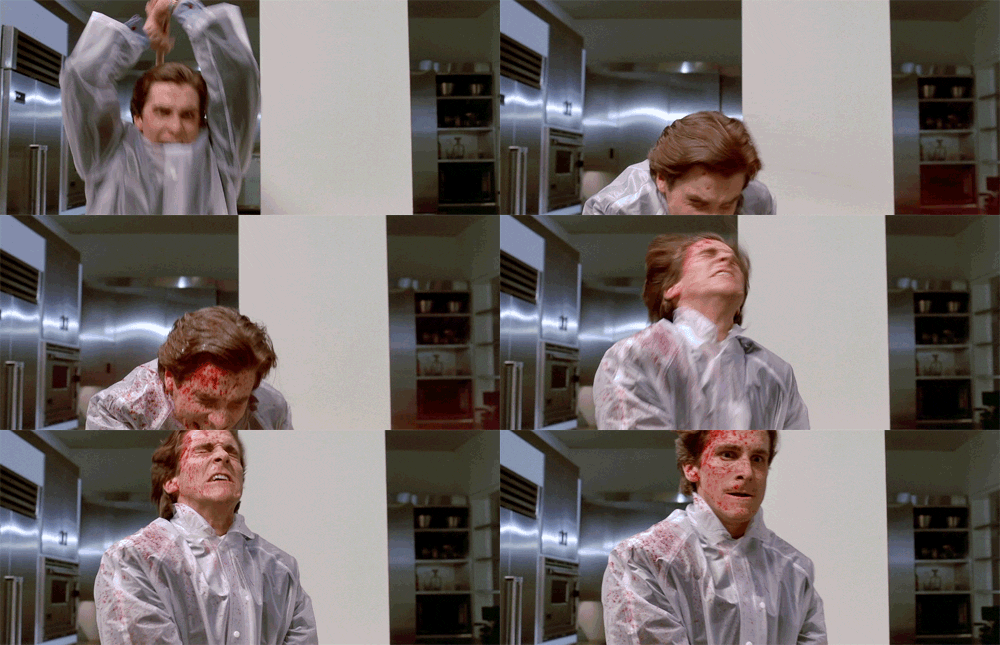
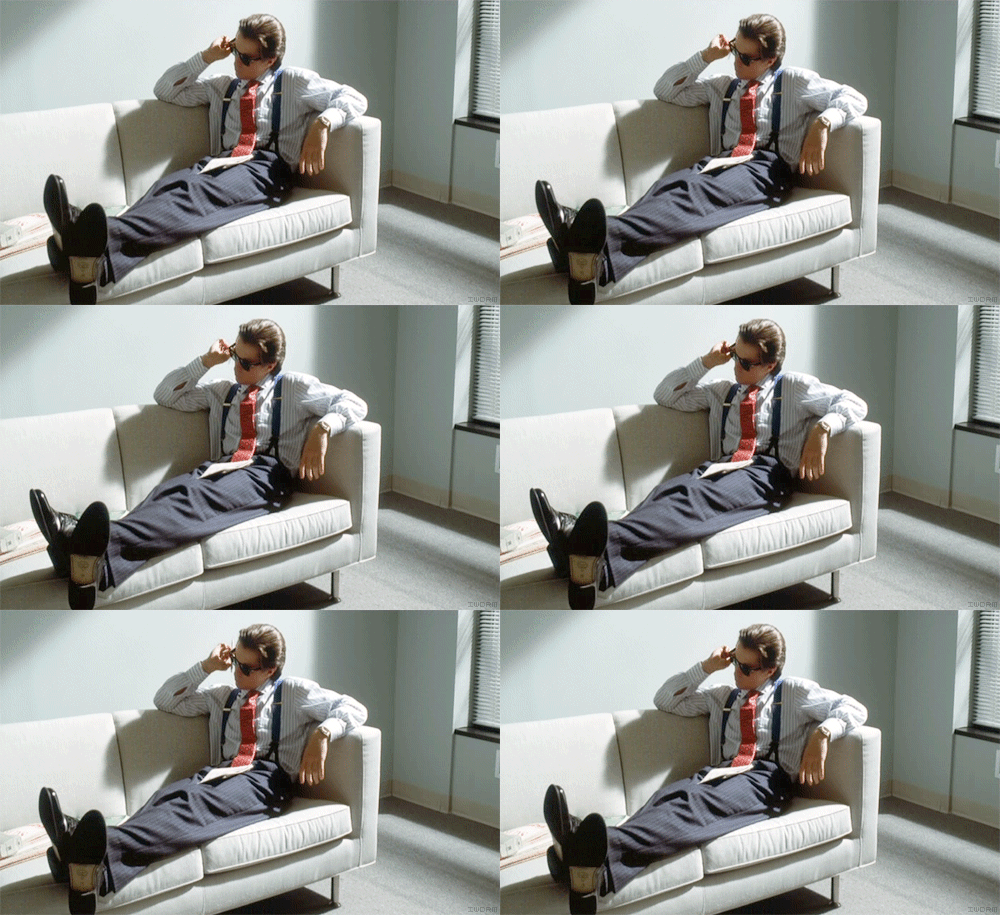
The film "American Psycho" (2000) (director/screenwriter Mary Harron), based on the novel of the same name (author Bret Easton Ellis), has long become a cult classic and continues to provoke debates to this day. The film also realized its meme potential in the form of GIFs.
This is the story of Patrick Bateman - a young successful investment banker from Manhattan, who during the day lives a perfect life yuppie, but at night supposedly transforms into a serial killer. But the main question remains open: what was real, and what was just in his twisted imagination?
Main Interpretations of the Film's Meaning
1. Social satire on capitalism and yuppie culture
Bateman embodies the soulless world of corporate America in the late 80s. His obsession with brands, suits, restaurants, appearance, and business cards is a grotesque critique of a society where success is defined solely by money and status. The violence in the film can be interpreted as a metaphor for the spiritual degradation of this world.
2. The murders are just fantasies
Many scenes hint that the crimes existed only in Bateman's imagination. Victims later appear alive, the logic of events often "breaks," and the ending feels like a hallucination. In this version, the main character is not a maniac but a mentally ill person losing touch with reality.
3. Duality and ambiguity
The director deliberately does not provide a clear answer. This is the film's strength: the viewer must decide for themselves where reality ends and painful fantasy begins.
4. Critique of indifference and depersonalization
Even if Bateman did kill, no one noticed. In a world where everyone dresses the same, communicates the same, and lives by the same scripts, individuality is erased. People are confused with one another, and cruelty and violence go unnoticed.
Music as Part of the Meaning
The soundtrack plays a separate role in the film. Pop hits from the 80s play against the backdrop of violent scenes, creating an ironic contrast:
Huey Lewis & The News - Hip to Be Square - to this "optimistic" song, Bateman brutally kills Paul Allen.
An ideal example of black humor.
Phil Collins - In the Air Tonight - Bateman seriously explains why he appreciates Collins' music, but all this is before a scene of violence.
Whitney Houston - The Greatest Love of All - a song about self-love and personal strength is used as a parodic counterpoint to the narcissistic hero.
The music is not just a background but another layer of satire that mocks the "glossy" face of the era.
Interesting Facts and References
The book was considered too violent for film. The project was halted several times.
The scene with business cards. A symbol of corporate competition: the card is more important than the person.

Mirrors. Bateman often looks at his reflection, has sex while only looking at himself. This emphasizes his narcissism and loss of identity.
The ending. His "confession" is not heard and not taken seriously by anyone. This symbolizes indifference and the absence of real responsibility.
In short - you should watch the film at least once. It's an interesting example of a film that has embedded itself in pop culture, considering its brutality.