This content has been automatically translated from Ukrainian.
Have you ever caught yourself thinking that you literally can't live without a certain product or drink? Perhaps it's an aromatic latte during your morning break or a slice of pizza late at night. This irresistible urge is called craving, and it is an integral part of our lives. But why do we feel it? Let's figure it out.
What is craving?

Craving is an intense desire to consume a specific product or drink. It is more than just ordinary hunger: craving often has an emotional nature and can occur even when we are physically full. The word "craving" comes from the English craving, which translates as "strong desire" or "need." In a modern context, it is most often used to describe the urge for food or drinks.
Why does craving occur?

Craving is a complex phenomenon that has several causes:
- Physiological factorsOur body may signal a deficiency of certain substances. For example, the desire to eat chocolate may indicate a magnesium deficiency, while a love for salty foods may point to a sodium deficiency.
- HormonesAt certain times in life, such as during stress, pregnancy, or premenstrual syndrome, hormonal changes can amplify cravings. Serotonin, the happiness hormone, also plays a key role: chocolate, for example, stimulates its production, making us a little happier.
- Psychological factorsEmotions often drive our eating habits. Stress, anxiety, or even boredom can trigger the desire to eat something sweet or fatty. This acts as a form of quick comfort.
- Cultural and social triggersWe often associate food with pleasant moments in life. A festive cake, homemade borscht, or ice cream in summer evoke warm memories that subconsciously encourage us to repeat them.
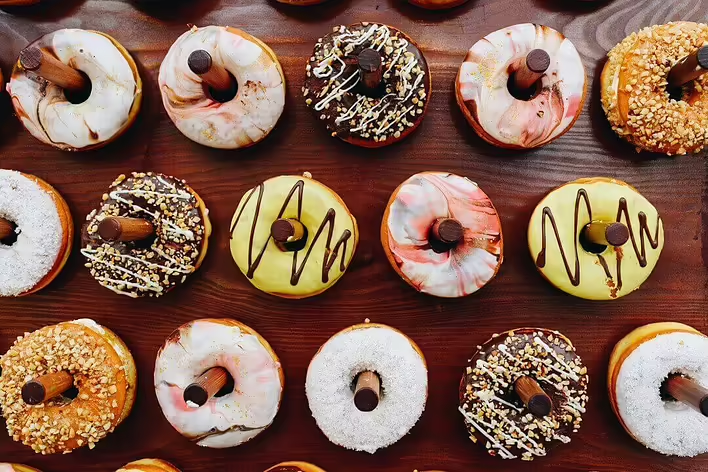
- Habits and addictionsFoods high in sugar, fat, or caffeine can create a mild form of addiction. The brain derives pleasure from these substances, and each time it craves more.
Craving and marketing

The modern food and beverage industry expertly exploits our tendency to crave. Advertising, packaging, and scents in supermarkets are designed to evoke the desire to purchase a product here and now. From images of pizza with melting cheese to the aromas of freshly baked bread – everything is aimed at stimulating your appetite.
How to cope with cravings?
While craving is a natural process, it is worth controlling, especially if it interferes with a healthy lifestyle. Here are some tips:
- Recognize true hunger. Try to determine whether you are really hungry or just seeking pleasure.
- Distract yourself. A walk, exercise, or a favorite hobby can reduce the intensity of the craving.
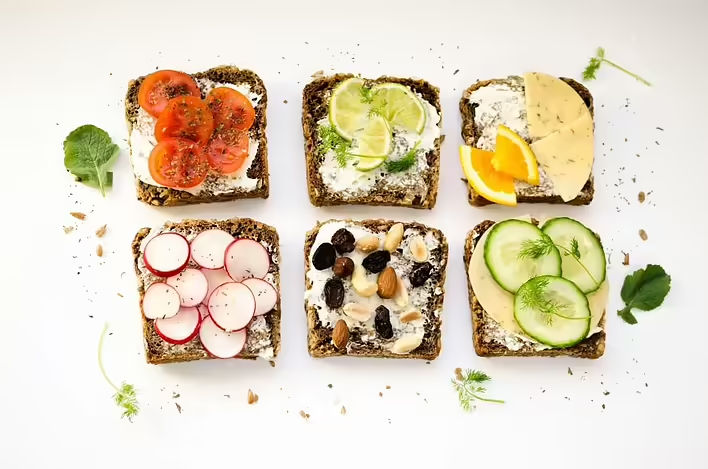
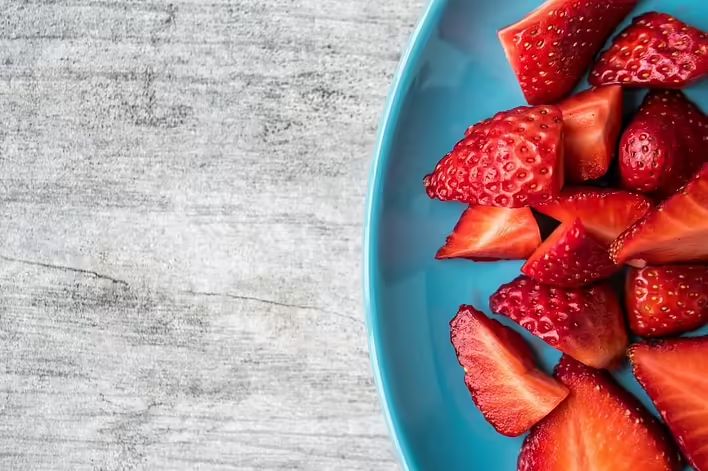
- Find a substitute. Instead of chocolate, try fruits, and instead of chips, nuts or seeds.
- Control portions. If you can't resist your favorite product, choose the smallest portion.
- Maintain balance. Regular and balanced meals reduce the likelihood of sudden cravings.
Interesting facts about cravings

- In pregnant women, the most common craving is for salty and sour foods, but it can vary across different cultures.
- Some studies show that people are more likely to experience cravings in the evening when energy levels and self-control decrease.
- There is a term food addiction – a more serious form of craving that requires treatment.
Craving is a natural signal from our body that should not be ignored, but we also shouldn't completely give in to it. It's like a wave: it can hit us suddenly, but if we learn to understand it, we can learn to stay afloat.
Like it?React
🧵
This post doesn't have any additions from the author yet.