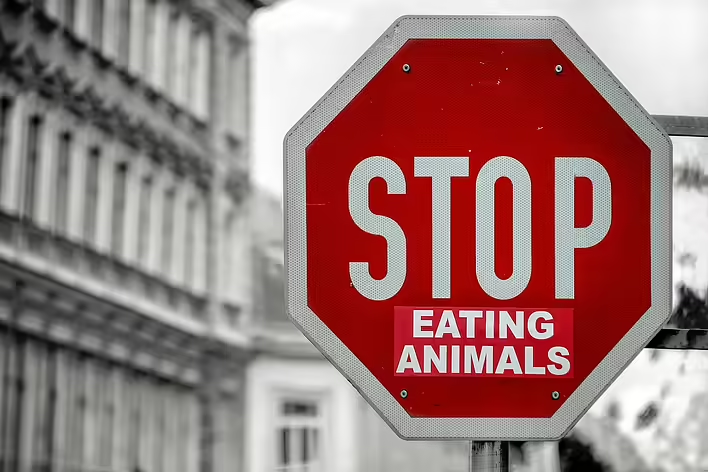
This content has been automatically translated from Ukrainian.
Once I was confused by these two concepts myself. Vegetarianism, veganism – they sound similar, and at first glance, it seems that both lifestyles revolve around the refusal of meat. But as soon as you dive deeper, it becomes obvious: these are not just diets, they are different worlds with different values, motivations, and even everyday habits.
What is vegetarianism?
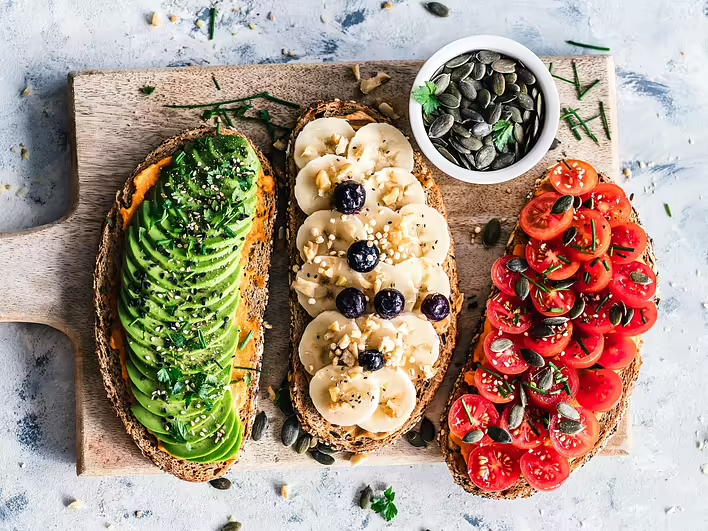
Vegetarianism is a diet that excludes meat, poultry, and fish. However, most vegetarians comfortably consume dairy products (milk, cheese, yogurt), eggs, and honey. That is, they refuse only to kill animals for food but not from products that can be obtained without causing death. This is often perceived as a more "gentle" approach – especially for those who are just beginning to explore alternatives to a meat-based diet.
Among vegetarians, there are several subgroups:
- Lacto-vegetarians – eat dairy products but not eggs;
- Ovo-vegetarians – on the contrary, eat eggs but not dairy;
- Lacto-ovo vegetarians – consume both;
- Pesco-vegetarians – technically not quite vegetarians, as they consume fish, but often associate themselves with this movement.
I perceive vegetarianism as the first step towards a more conscious attitude towards nature. Often, it is from this point that the journey begins, which can ultimately lead to full veganism.
What is veganism?
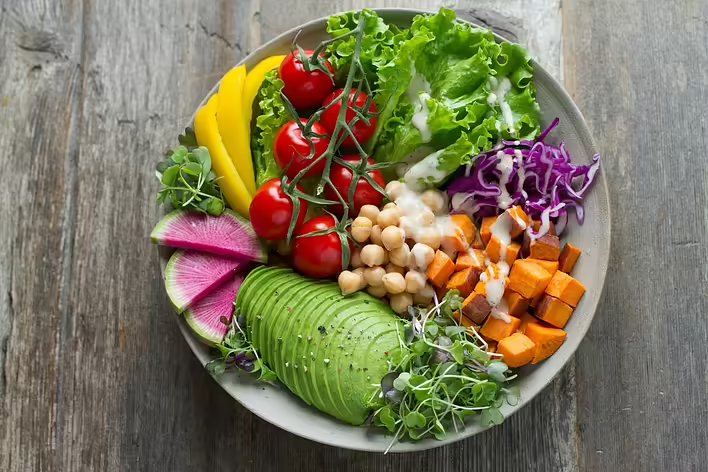
Veganism is no longer just a diet; it is a whole philosophy. Vegans completely exclude all animal products from their lives. No meat, milk, eggs, or honey. But it doesn't stop there. Vegans do not wear leather, fur, or wool, do not use cosmetics tested on animals or containing animal-derived ingredients. They even avoid zoos and circuses if they exploit animals.
The main idea is to cause no harm to animals at all. Veganism is not just a diet, but a life stance based on three pillars:
- Ethics – refusal of exploitation and cruelty;
- Ecology – animal farming is one of the biggest polluters of the planet;
- Health – although not always the main motive, many choose veganism for the sake of a healthy lifestyle.
I can say from the experience of acquaintances who are vegans: it is not just a change on the plate – it is a change in worldview. They carefully read labels, seek ethical brands, support farmers who grow vegetables without pesticides. For them, it is not a limitation, but a way to live in harmony with themselves and the surrounding world.
Interesting fact: the term "vegan" appeared in 1944 thanks to Donald Watson, who founded the Vegan Society in the UK. He took the first and last letters from the word vegetarian (VEGetariAN) to create a new concept – more radical and consistent in its philosophy.
Like it?React
🧵
This post doesn't have any additions from the author yet.