A long bus trip abroad requires a bit more preparation than a regular intercity route. You can spend ten, fifteen, or even more hours on the road, and this is added to by stops, crossing the border, and possible schedule changes. Therefore, comfort largely depends not only on the bus itself but also on how well everything is planned.
Before purchasing a ticket, it's worth checking the time and place of departure, the estimated duration of the journey, intermediate stops, and the conditions for transporting luggage. If the direction is already chosen, it is useful to find out in advance more details about the route to understand how much time you will have to spend on the bus and what may be needed on the road.
Start with the route, not with packing your suitcase
First of all, clarify where exactly the bus departs from, where it arrives, how long the journey will approximately take, and whether there are any intermediate stops. The exact boarding address is especially important: in large cities, there may be several bus stations and stops, and some international routes depart from regular stops or separate boarding areas. Therefore, it's better not to rely solely on the name of the station but to find the necessary address on the map in advance.
If a transfer to another transport is planned upon arrival, it's better to leave enough time between connections. Crossing the border may take longer than scheduled, so a tight schedule creates the risk of being late for the next bus, train, or flight.
For long journeys, it is also worth comparing several routes for the desired date. A daytime option may be more convenient for those who find it difficult to sleep on the bus, while a night option allows for part of the journey to be spent sleeping. It's better to clarify the schedule, departure time, and the possibility of online booking at the planning stage — current information about international bus routes can be viewed at https://tour-ukraine.com.ua/directions/odessa-5054098-warsaw-5052716.
What to take with you on the bus
The main suitcase usually goes in the luggage compartment, so everything that may be needed during the journey, at stops, or while crossing the border is better placed in a small carry-on bag.
It's useful to have with you:
passport, ticket, and other necessary travel documents;
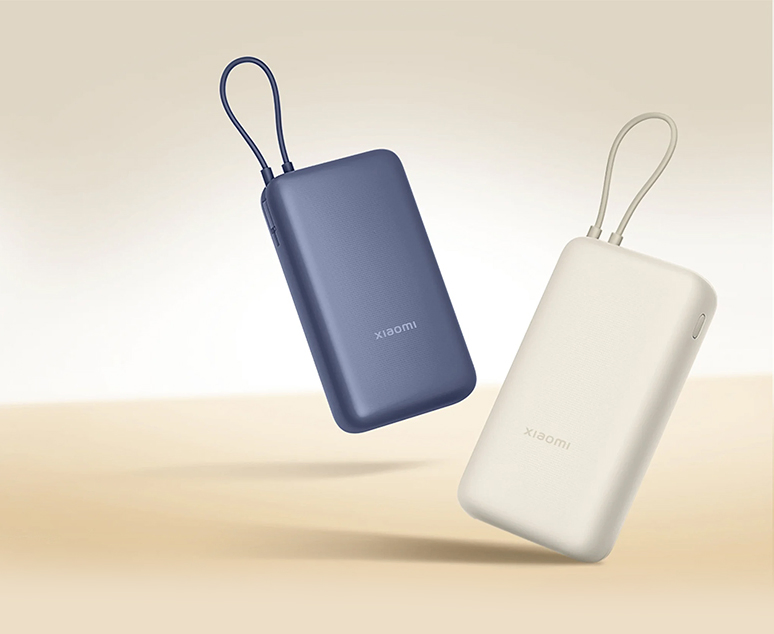
phone, charger, and power bank;
water and a small snack;
necessary medications;
headphones, a sleep mask, or earplugs;
a warm sweater or light jacket, even if it's warm outside;
wipes and basic hygiene items.
Valuable items, documents, and money are better not left in the large suitcase. They should be in the carry-on bag, from where they can be quickly retrieved without leaving the bus.
Luggage: rules to know in advance
Don't rely solely on the size of the suitcase
The allowed amount of luggage, its weight, and the rules for transporting additional items may vary depending on the carrier. If you plan to take several suitcases, a bicycle, a stroller, or other non-standard luggage, it's better to clarify the conditions before booking.
Also, pay attention to whether luggage is included in the ticket price and whether you need to pay extra for additional space. This will help avoid a situation where restrictions or additional fees are discovered only during boarding.
How to make a long journey more comfortable
Dress in layers
The temperature in the cabin can change: it gets warmer during the day, cooler at night, and the air conditioning may not always be equally comfortable for all passengers. A few light layers of clothing are more practical in this situation than one very warm item.
It's also better to choose comfortable shoes, especially if there are many hours ahead on the road. During long stops, it's useful to at least walk a little and stretch your legs. For those whose feet and ankles swell significantly after several hours of sitting, compression socks can help reduce swelling during prolonged sitting. If swelling is pronounced or occurs regularly, the type and degree of compression should be selected together with a doctor.
Don't rely only on stops
On international routes, the bus usually makes technical stops, but their timing and duration may vary. Therefore, it's better to have water and something simple for a snack with you, rather than relying on being able to buy everything you need along the way.
At the same time, don't take too much food. For a long journey, convenient products that do not spoil quickly, do not have a strong smell, and do not require complicated storage are ideal.
Think about sleep and entertainment
Pre-loaded movies, books, music, or podcasts will help pass a few hours without relying on mobile internet. This is especially useful abroad, where the usual tariff or coverage may work differently.
For a night trip, you will need a sleep mask, a small travel pillow, or earplugs. They certainly do not guarantee a full sleep in a chair, but they can make the journey noticeably more comfortable.
дорожня подушка
What to do the day before departure
One day before the trip, review the ticket, time, and address of departure once again. Check your documents, charge your phone and power bank, and make sure that the most important items are in your carry-on bag.
If the ticket is stored only on your phone, it's better to take an additional screenshot or download it to your device so that you are not dependent on mobile internet at the time of boarding.
It's worth arriving at the departure point in advance. In an unfamiliar city, finding the right platform or stop may take more time than it seems, and the international bus does not always depart from the main bus station.
Before the journey, you don't need to try to anticipate every possible situation. It's enough to sort out the route, ticket, luggage, and essential items in advance — then even many hours on the bus will pass much more calmly.