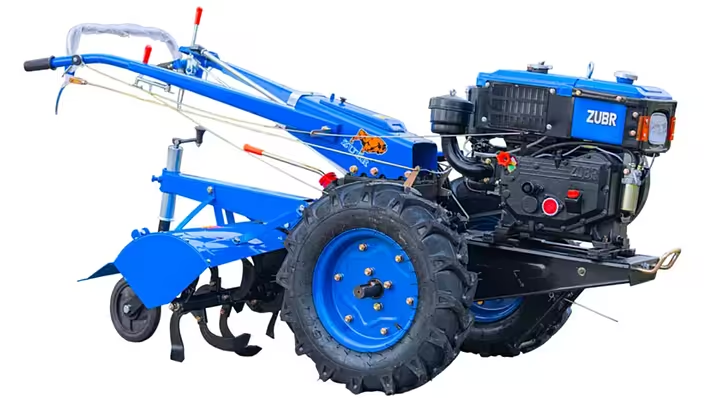
The modern agricultural machinery market offers dozens of options for tillers with various types of transmissions, but the belt design has held its ground for several decades. On the site https://am.ua/uk/motobloki/remennaya-peredacha/, you can view the current range of such machines from trusted manufacturers. The Agromechanics team has gathered the main arguments in favor of this type of equipment — and they turn out to be more substantial than it may seem at first glance.
How the belt drive works in a tiller
The principle of operation of the belt drive is simple: the engine is connected to the gearbox or drive unit via one or more drive belts. It is precisely because of this simplicity that the design has proven to be so resilient — any owner of a household plot can understand it without special technical training.
The belt performs two functions at once: it transmits torque and simultaneously acts as a buffer between the engine and the working unit. If the tiller or cultivator encounters a hard obstacle, the belt slips instead of transmitting peak load to the engine shaft. This protects expensive components from breaking.
Why belt drives are chosen for gardening and agricultural work
Tillers with belt drives are particularly in demand among owners of plots ranging from 10 to 50 acres. For such a volume of work, chain or cardan drives overly complicate the design and increase maintenance costs.
The belt tiller is suitable for a wide range of tasks:
plowing and loosening the soil in spring and autumn;
inter-row cultivation of vegetable crops;
cutting furrows for sowing;
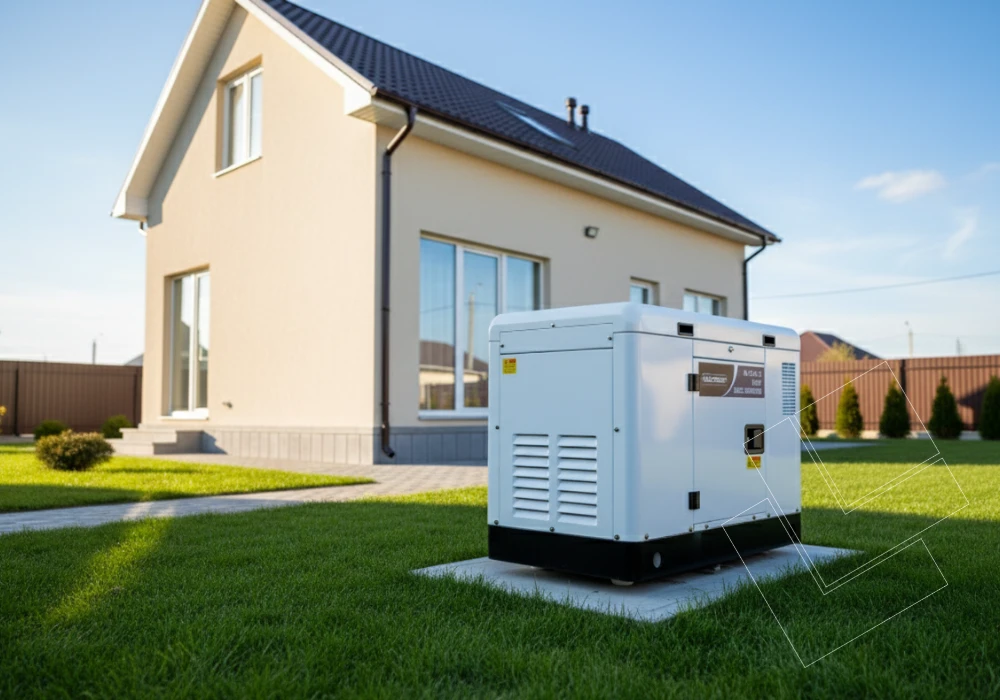
connecting pump stations and generators via power take-off;
transporting loads with a trailer on flat terrain.
This list of tasks covers most needs of smallholdings, without requiring the equipment to have excessive power or a complex transmission.
Advantages of the belt design over alternatives
Compared to tillers with chain or gear drives, the belt option has several noticeable advantages in everyday operation.
First, the cost of replacing a belt is several times lower than repairing a gearbox or chain unit. Second, belts can be replaced independently, without a lift or special tools — just a wrench and 20–30 minutes of time are enough. Third, the belt drive is less sensitive to contamination and moisture, which is critically important when working on wet soil after rain.
Another practical feature is the relatively low weight of belt-driven units. Most of these tillers weigh between 65 and 120 kg, which simplifies their transportation and storage in a regular shed.
What to pay attention to when choosing
Before choosing a specific model, it is worth assessing several key parameters that directly affect the machine's lifespan and ease of use.
Important characteristics to consider:
belt material: reinforced belts with cord last longer than regular rubber ones;
number of speeds: having at least two forward and one reverse significantly expands processing capabilities;
engine type: four-stroke engines are more economical and quieter than two-stroke ones;
width of the tiller's working width: for standard garden beds, 60–90 cm is sufficient;
presence of a belt tensioner: adjustable tension extends the life of the component.
It is also worth checking whether a spare belt is included or if it can be ordered separately — this will save time during the peak season.
Maintenance of the belt tiller: what you need to know
One of the main arguments of supporters of belt machines is the minimal cost of maintaining operational condition. Regular maintenance consists of a few simple actions that do not require visiting a service center.
Belt tension should be checked before each season and approximately every 50 hours of operation. A worn belt is visually noticeable: it shows cracks, delamination, or visible wear on the working surface. Replacement takes less than an hour even for someone without experience in repairing equipment.
The rest of the scheduled maintenance includes changing the engine oil once a season, cleaning the air filter, and checking the condition of the tiller blades. Overall, complete technical maintenance of a belt tiller takes about 2–3 hours per year.
Agromechanics is convinced: the reliability of equipment is determined not by the complexity of the design, but by the correspondence between the task and the solution. The belt tiller is just such a match.
The belt tiller remains a relevant choice not due to a lack of alternatives, but because it combines sufficient productivity, low maintenance costs, and a straightforward design. For most private farms, this is precisely the level of equipment that works without unnecessary complications season after season.