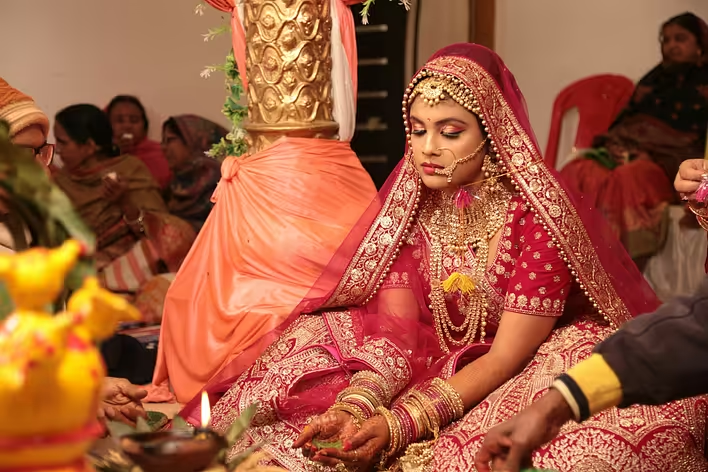
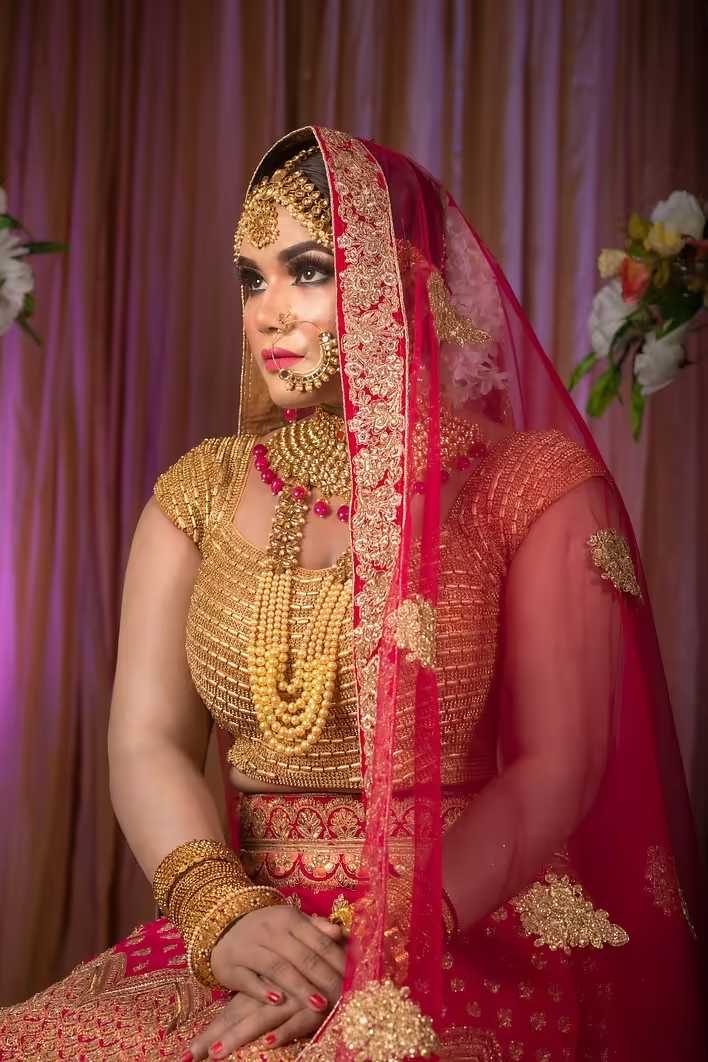
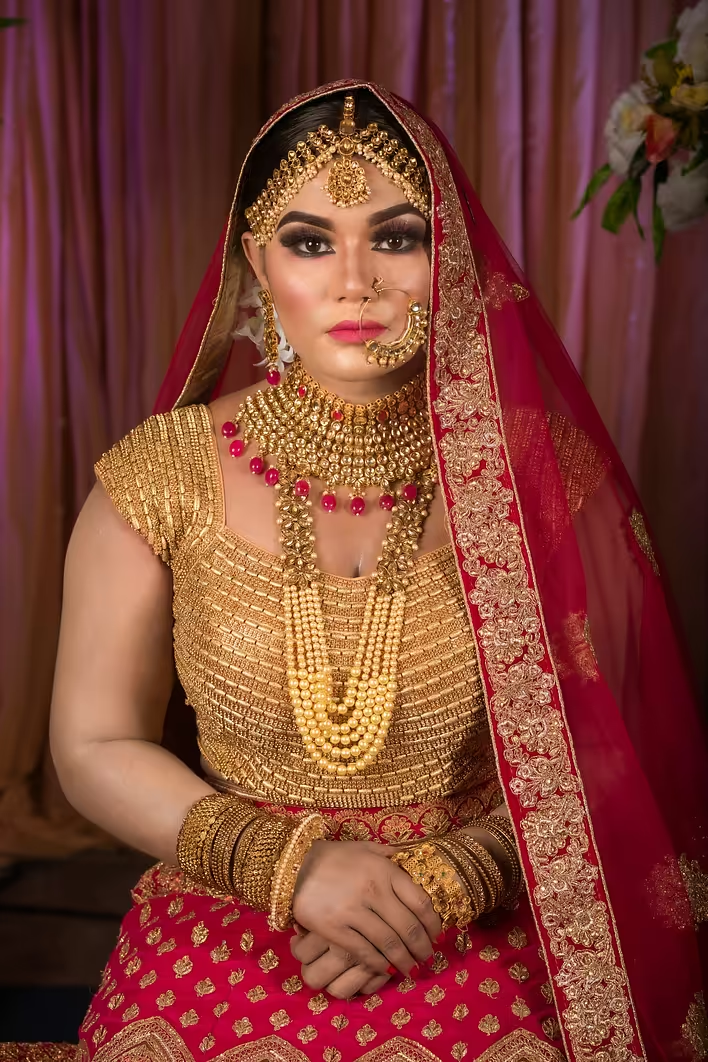
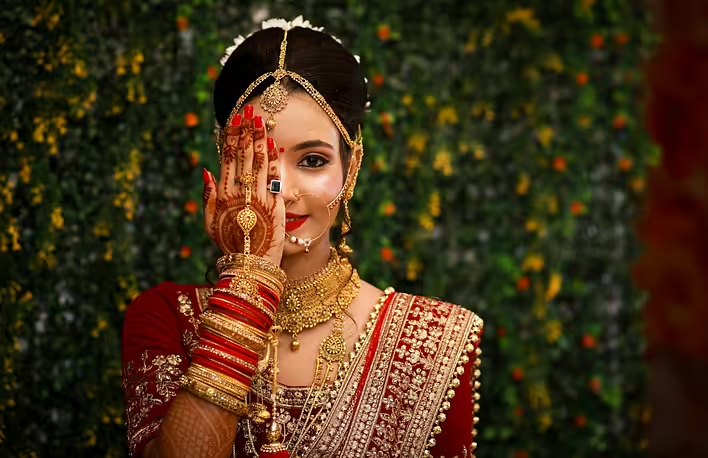
Indian weddings are often referred to as one of the brightest and most luxurious celebrations in the world. It is not just a marriage ceremony, but a multi-day ritual filled with music, dance, flowers, gold, family traditions, and intricate symbolism. At the center of this festive world almost always lies the bride's special attire — lehenga choli.
For many people outside South Asia, lehenga choli has become a symbol of Indian wedding style. It is easily recognizable by its wide skirt, short embellished top, and long dupatta that often covers the head. However, behind this beauty lies much more than just an eye-catching outfit. Lehenga choli is a combination of regional traditions, crafts, religious symbols, and even family status.
What is lehenga choli
The name consists of several parts. Lehenga is a long wide skirt, choli is a short blouse or top, and dupatta is a long scarf or shawl that complements the look.
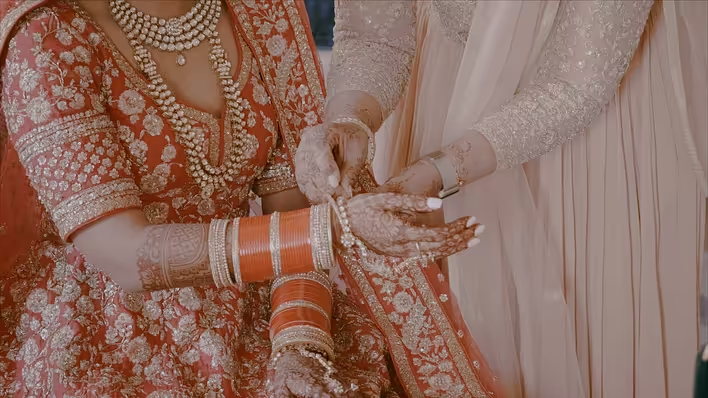
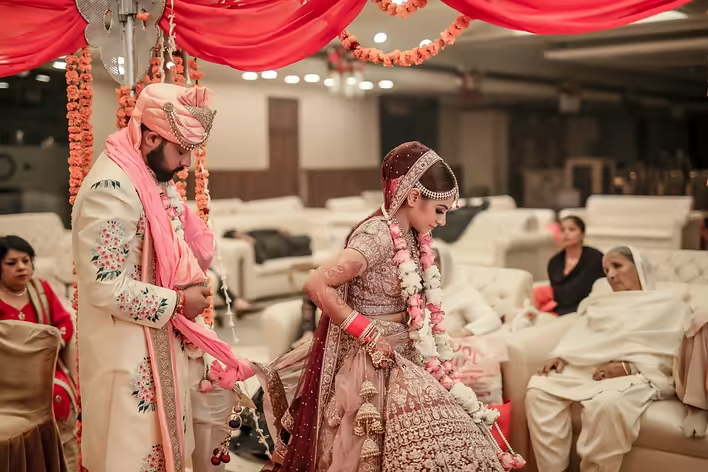
In its classic form, the skirt has a very large volume and is richly decorated with embroidery, beads, mirrors, sequins, or golden threads. The choli can be quite modest or extremely elaborate in decoration. The dupatta often serves not only a decorative role — in many traditions, it symbolizes modesty, blessings, or the bride's transition to a new family.
Although today lehenga choli is primarily associated with wedding fashion, historically similar garments were worn in various regions of India, Pakistan, and partially Nepal for centuries. It was especially popular in the northern and western regions.
Why red became the symbol of the bride
For many Western cultures, the wedding dress is associated with the color white. In India, however, the traditional color of the bride has long been red.
In the cultural and religious context of South Asia, red symbolizes happiness, fertility, prosperity, love, and life force. That is why the classic wedding lehenga often features deep red, burgundy, or wine shades.
At the same time, modern fashion has significantly expanded the palette. Today, brides choose golden, pink, cream, emerald, pastel, and even blue lehengas. However, even in modern looks, red still remains an almost sacred color of weddings.
Interestingly, many brides combine traditional red with modern trends: for example, using light fabrics with red embroidery or keeping only certain elements of the outfit red.
The weight of luxury
One of the things that often surprises people seeing a real wedding lehenga for the first time is its weight. Due to the multi-layered fabric, dense embroidery, and large amount of decor, some sets can weigh over 10–15 kilograms.
Handcrafted embellishment techniques are particularly valued:
zari — embroidery with metallic threads;
zardosi — intricate gold embroidery;
gota patti — decorative appliqués made from ribbons;
mirror embroidery;
hand sewing of beads and stones.
Creating a premium wedding lehenga can take months. A single set is sometimes worked on by entire groups of artisans: some people handle the fabric, others the embroidery, and others the hand decoration.
Because of this, wedding attire often becomes a true family heirloom passed down through generations.
Weddings as a grand performance
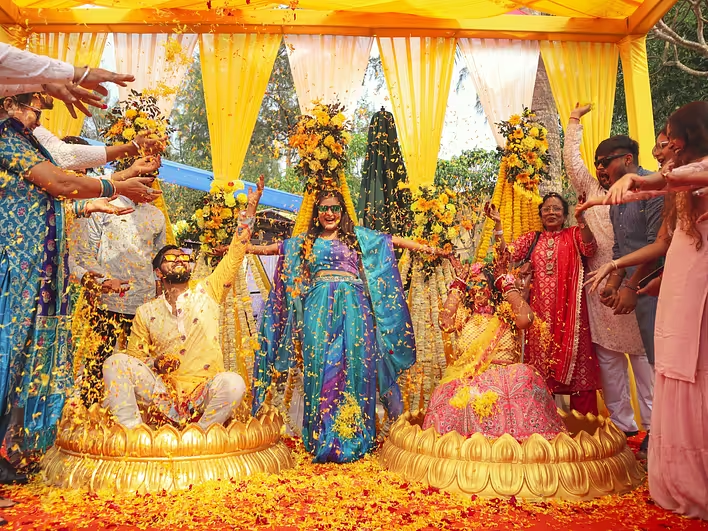
To understand the significance of lehenga choli, one needs to better understand the culture of Indian weddings. In many regions, it is not a one-day ceremony, but a series of celebrations that can last several days.
Before the wedding itself, there are often:
mehendi — the henna application ceremony;
sangeet — a musical and dance evening;
haldi — a ritual with turmeric;
family blessings and festive gatherings.
For each stage, the bride may have a separate look. But the wedding lehenga remains the central element of the entire celebration.
During the ceremony, the outfit is often complemented by a large number of ornaments: massive necklaces, bracelets, earrings, hair accessories, and even decorative chains that attach to nose ornaments or headpieces.
All of this creates an image that resembles a royal ceremonial costume rather than a typical modern wedding dress.
The influence of Bollywood
The modern perception of lehenga choli has been greatly influenced by Bollywood. Indian cinema has literally transformed wedding fashion into a separate cultural phenomenon.
After popular films, certain colors, styles, or types of embroidery can instantly become trends worldwide. Designers who create costumes for movie stars often influence real wedding collections more than classic fashion brands.
Thanks to Bollywood, lehenga choli has become popular far beyond India. It is now worn not only by representatives of the South Asian diaspora but also by people who have simply fallen in love with the aesthetics of this style.
Pastel lehengas with extremely detailed hand embroidery have become especially popular — a style that is now actively copied even by Western designers.
Modern changes: between tradition and comfort
Despite the love for traditions, modern wedding fashion is gradually changing. Many brides want to look luxurious while also seeking greater comfort.
Because of this, designers are experimenting with:
lighter fabrics;
less weight in decor;
modern silhouettes;
more open choli styles;
unusual colors;
a combination of Indian and Western elements.
Some brides even replace the traditional dupatta with a long veil or combine lehenga with elements of European wedding fashion.
At the same time, in many families, the traditional look of wedding attire still holds great significance. Therefore, modern Indian weddings often become an interesting balance between the bride's personal style and the cultural expectations of the family.
Even people far removed from Indian culture often admire lehenga choli for its almost fairy-tale appearance. This attire combines a vast amount of handwork, intricate patterns, bright colors, and centuries-old traditions.
But most importantly — lehenga does not exist separately from the atmosphere of the wedding itself. It is part of a grand festive world where music, dance, the aroma of spices, flowers, gold, and family rituals merge into one grand ceremony.
That is why Indian wedding attire so often evokes a sense of true Eastern luxury — not just because of the jewels or embroidery, but because of the cultural depth that lies behind every detail of the outfit.