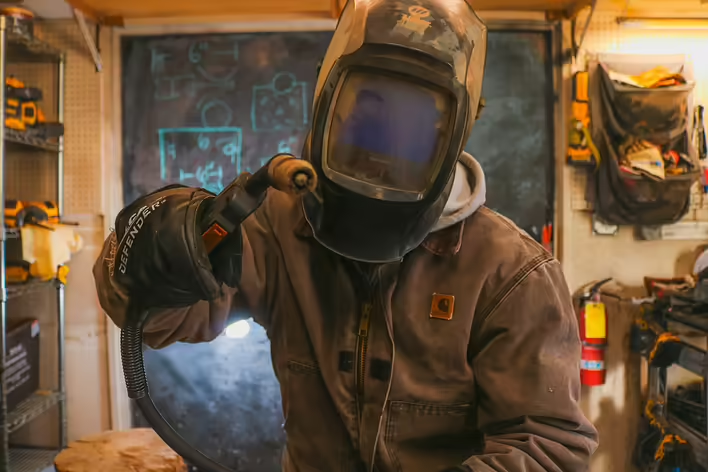
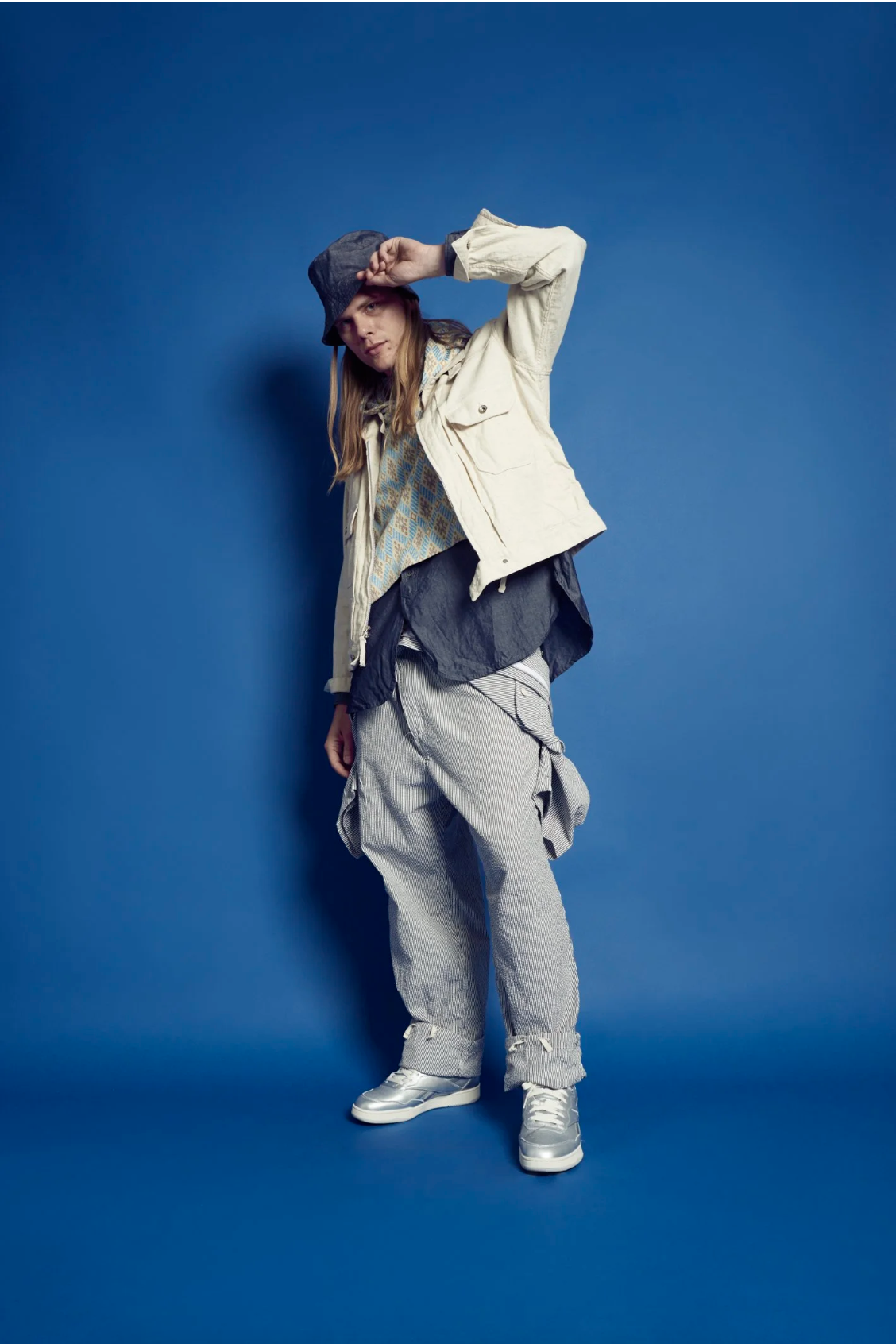
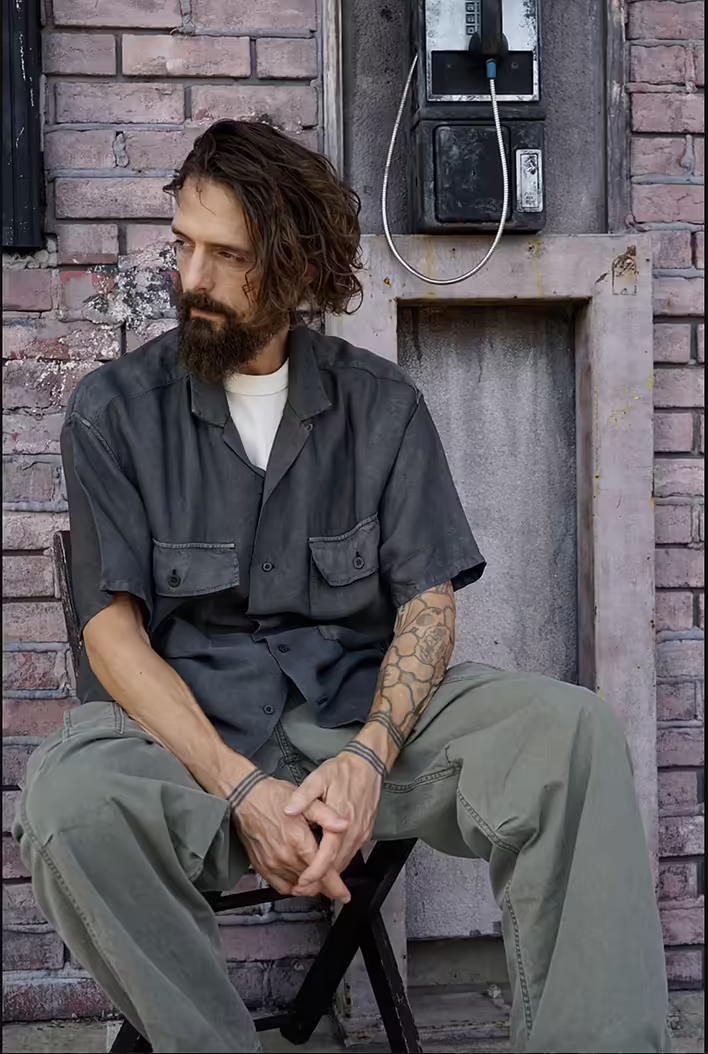
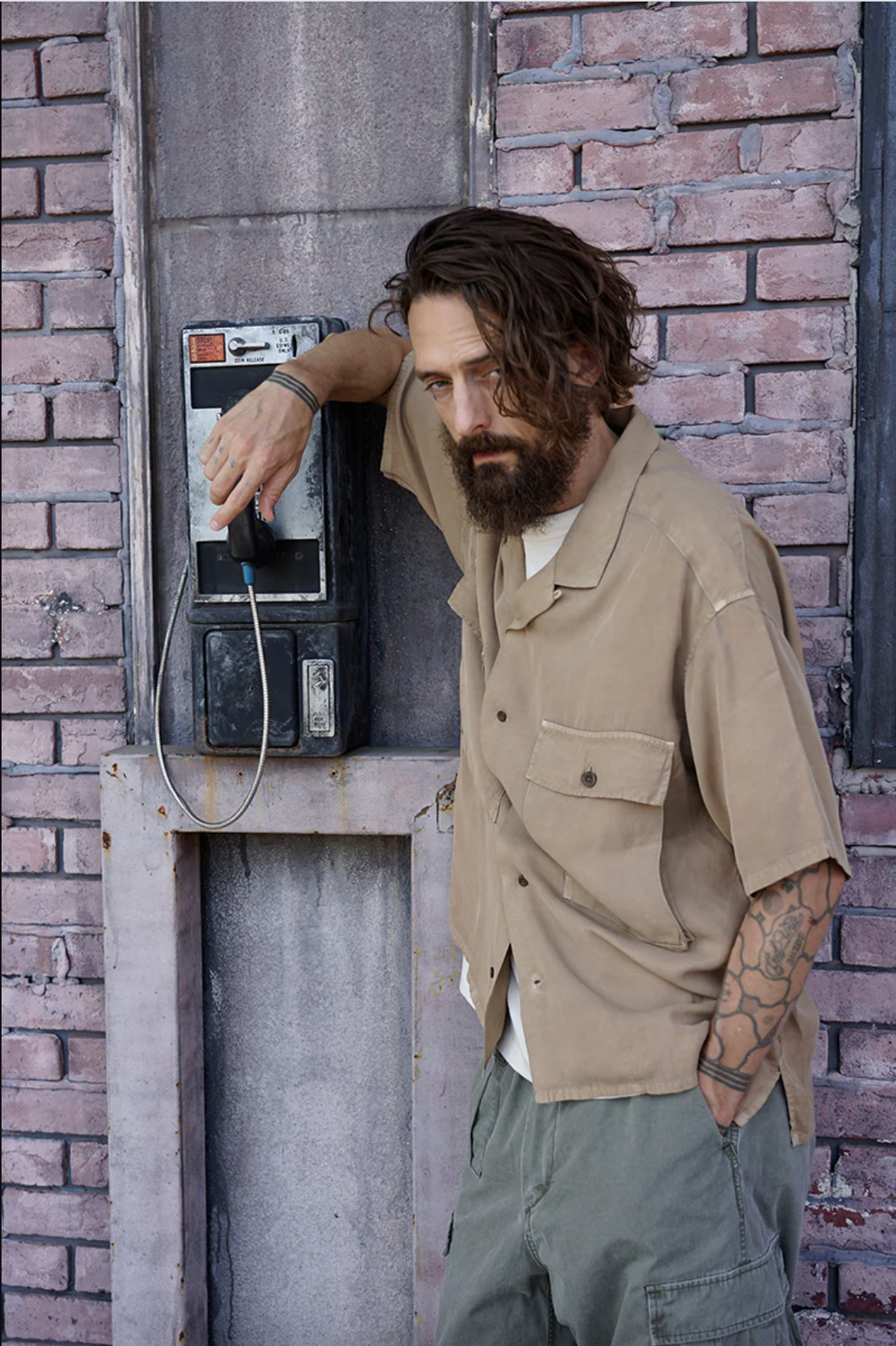
Workwear — is a style inspired by work clothing. It originates from the practical attire of workers, miners, farmers, and carpenters, made from dense, durable fabrics. Initially, workwear had nothing to do with fashion — these were items created for protection and comfort during hard physical labor.
How workwear originated
In the 19th century, industrialization in the USA and Europe required new clothing for workers. It was then that brands emerged that laid the foundation for future aesthetics:
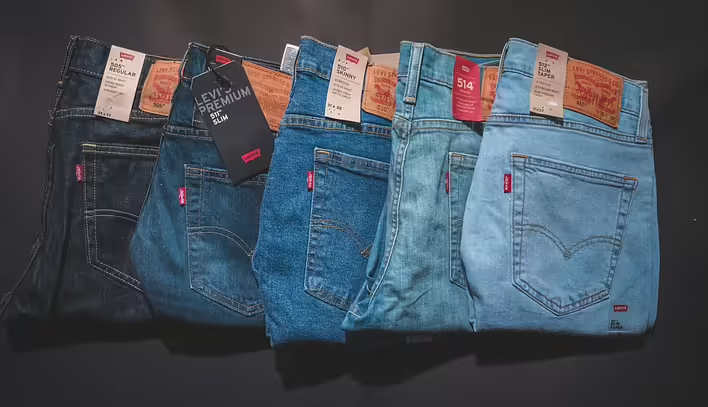
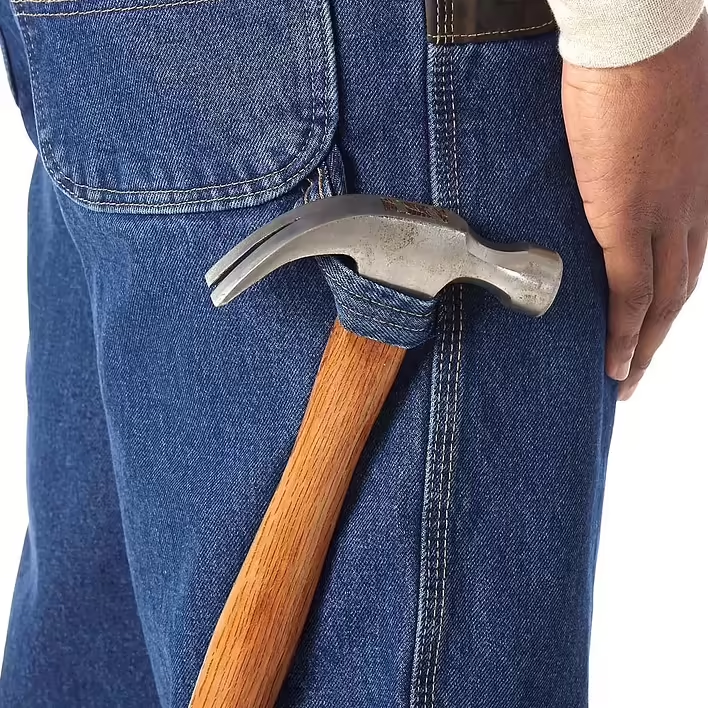
Levi’s (1853) — the first denim jeans, reinforced with rivets, were initially created for gold miners and laborers.
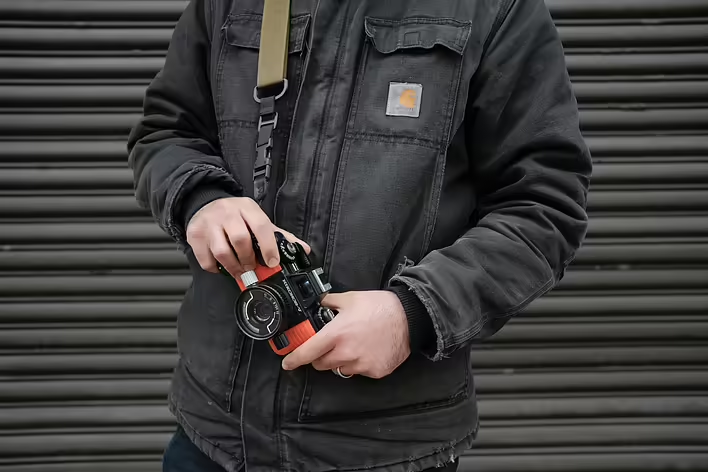
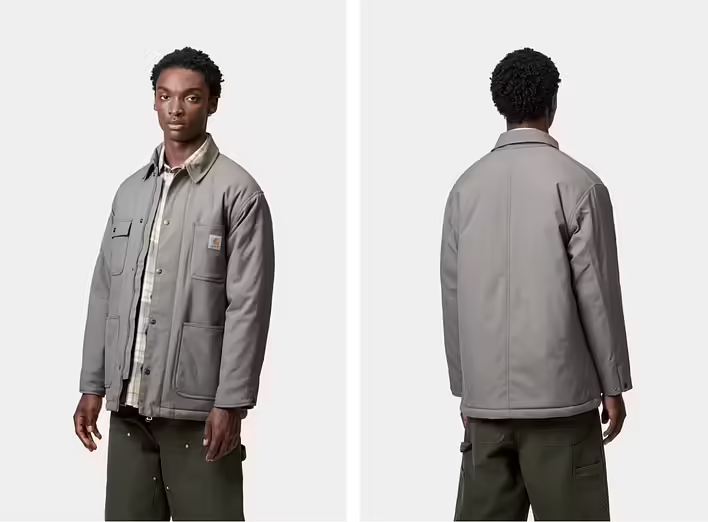
Carhartt (1889) — the company began producing durable overalls and jackets for railroad workers and builders.
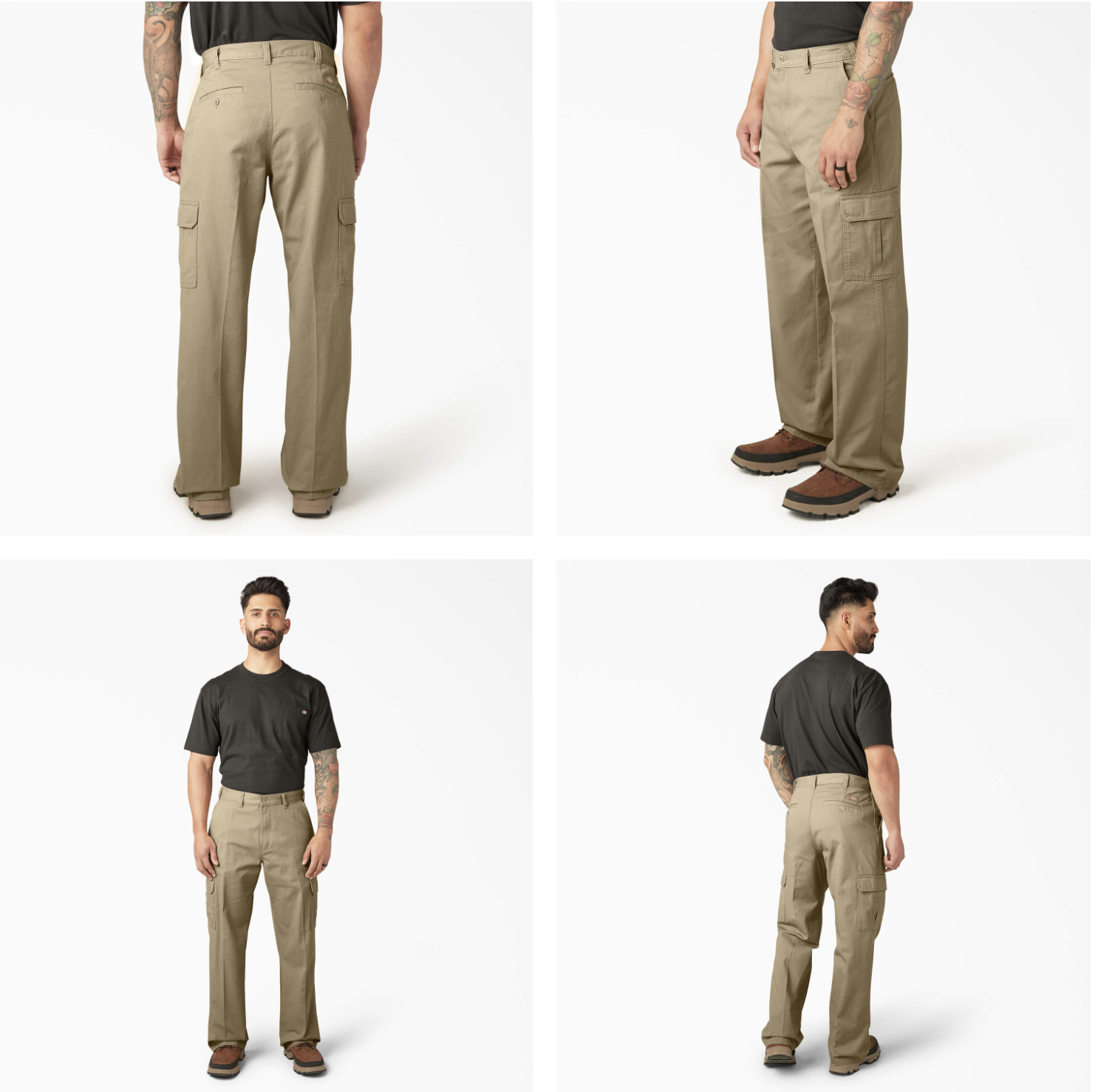
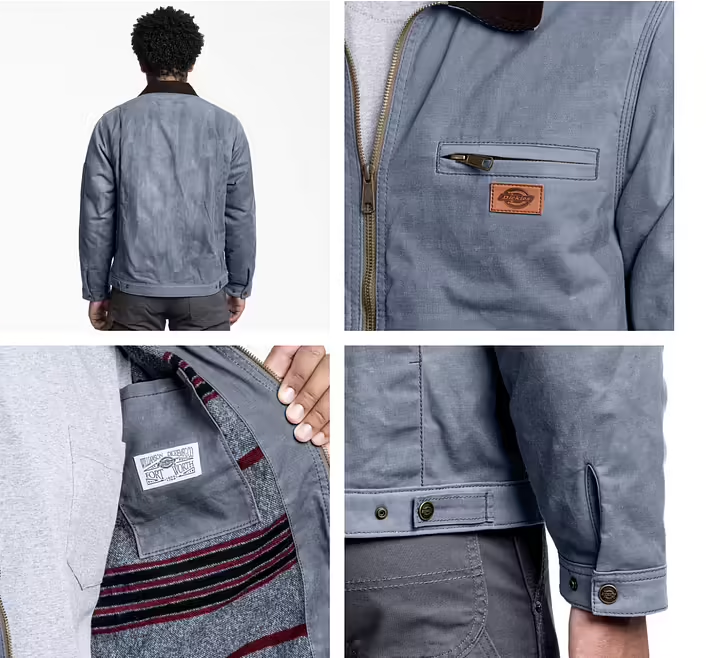
Dickies (1922) — specialized in work overalls, which became a symbol of American work culture.
In Europe, a similar role was played by Helly Hansen (Norway, 1877), which produced clothing for sailors, and the British Barbour (1894), known for waxed jackets for farmers and hunters.
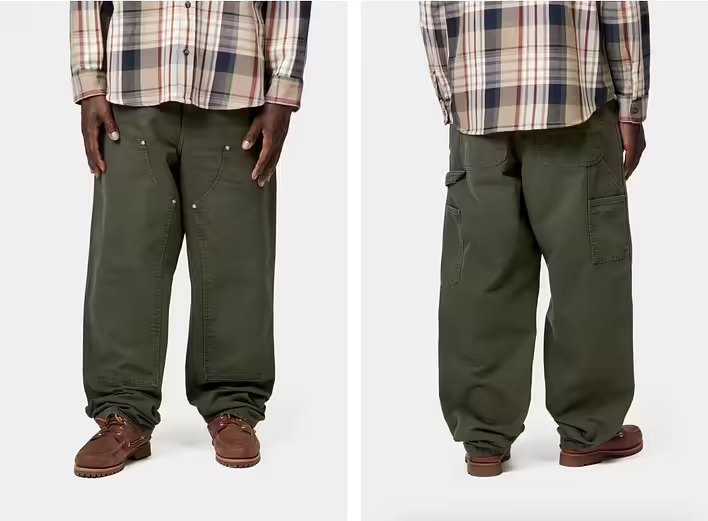
Key elements of workwear — jeans, overalls, chore coats, thick cotton shirts, and shoes with thick soles. They were created with durability, comfort, and longevity in mind, rather than beauty.
How work clothing became fashionable
In the second half of the 20th century, workwear began to move beyond factories and workshops. Jeans became universal clothing for youth, and in the 1980s and 1990s, hip-hop and skateboarding culture made brands Carhartt and Dickies iconic. Baggy pants, jackets, and vests were associated with street culture, not just physical labor.
In the 2000s, workwear entered the mainstream as the "aesthetic of practicality." It was embraced by designer brands that reinterpreted utilitarianism through fashion. Workwear began to symbolize authenticity, reliability, and masculinity.
Workwear today
Modern brands actively engage with the work aesthetic:
Carhartt WIP (Work in Progress) — the European branch of Carhartt, which has been adapting work style to streetwear since 1994.
Dickies — remains popular among youth and designers.
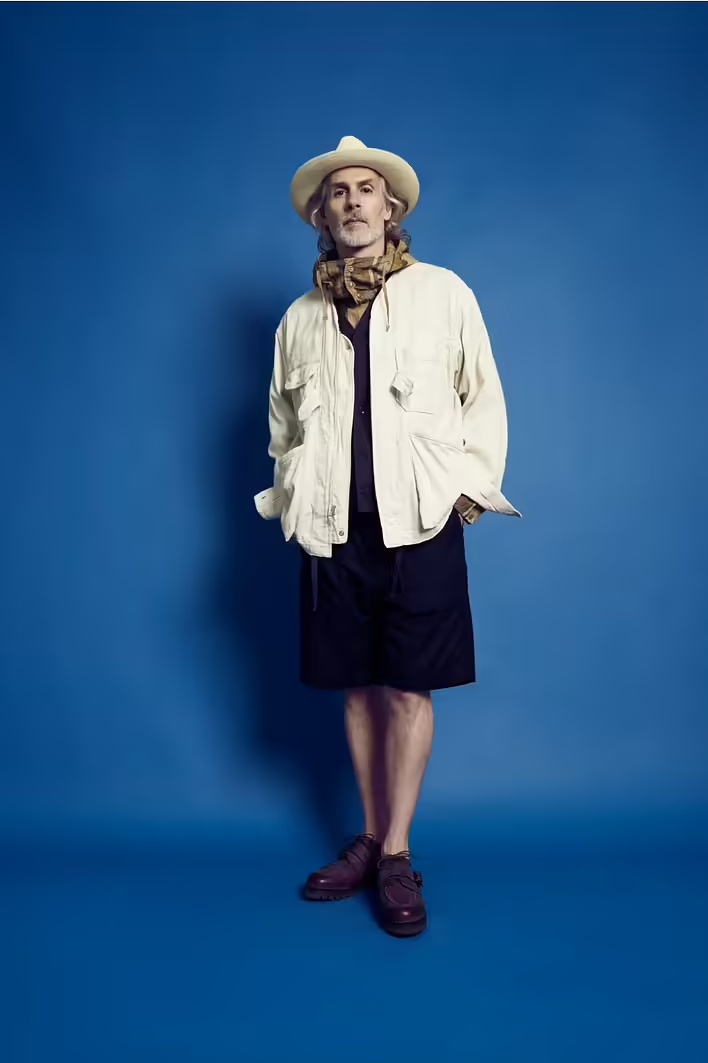
Engineered Garments and Nigel Cabourn (UK) create high-quality reinterpretations of work and military silhouettes.
Major fashion houses — Prada, Louis Vuitton, Balenciaga — also turn to workwear, creating collections that reference overalls, jackets, and utilitarian details.
Today, workwear is not only comfortable and durable clothing but also a style that combines the history of labor with modern urban fashion. It symbolizes practicality, honesty, and functionality, which are now valued just as much as aesthetics.