This content has been automatically translated from Ukrainian.
ALEX test or ALEX² test (Allergy Explorer) — is a modern molecular allergy test performed on a blood sample that allows for the detection of sensitization to 295 allergens simultaneously.
What does the ALEX test determine?
- Total IgE level — immunoglobulin E, responsible for allergic reactions.
-
Specific IgE to:
- Molecular components of allergens (e.g., individual proteins in pollen, foods, etc.),
- Whole extracts of allergens (e.g., birch pollen, milk, dust mites, etc.).
Advantages of the ALEX² test:
- Minimum blood (only a few microliters),
- One test instead of dozens of separate analyses,
- Detection of cross-allergy (e.g., between pollen and fruits),
- Can be done even while taking antihistamines,
- Painless (does not cause an allergic reaction, unlike skin tests),
- Creation of an allergy profile or patient passport.
What is it needed for?
- Diagnosis of respiratory, food, contact allergies,
- Understanding which specific molecules cause allergies (this is important for deciding whether to conduct allergen-specific immunotherapy),
- Detection of hidden or non-obvious allergens.

What exactly is included in the ALEX test?
Grass pollen:
- Cynodon dactylon
- Medicago sativa
- Paspalum
- Phleum pratense
- Common reed
- Rye
Tree pollen:
- Silver acacia (genus of tropical trees)
- Ailanthus altissima
- Black alder (sticky)
- Downy birch
- Paper mulberry
- Hazel
- Cryptomeria japonica
- Arizona cypress
- Evergreen cypress
- Ash (high)
- Walnut
- Mexican juniper (mountain cedar)
- Red mulberry
- Date palm
- Platanus acerifolia
- Black poplar (aspen)
- Elm
Weed pollen:
- Amaranth
- Ambrosia artemisiifolia
- Common wormwood
- Common hemp
- White goosefoot
- Annual bluegrass
- Wall lettuce
- Lanceolate plantain
- Curly dock
- Nettle
House dust mites and storage mites:
- Acarus siro
- American house dust mite
- Blomia tropicalis
- European house dust mite
- Glycyphagus domesticus
- Lepidoglyphus destructor
- Tyrophagus putrescentiae
Legumes:
- Chickpea
- White bean
- Lentil
- Pea
- Peanut
- Soybean
Cereals:
- Barley
- Buckwheat
- Corn
- Rye
- Lupin
- Millet
- Oats
- Quinoa
- Rice
- Wheat
Spices:
- Anise
- Cumin
- Mustard
- Oregano
- Paprika
- Parsley
Fruits:
- Avocado
- Apple
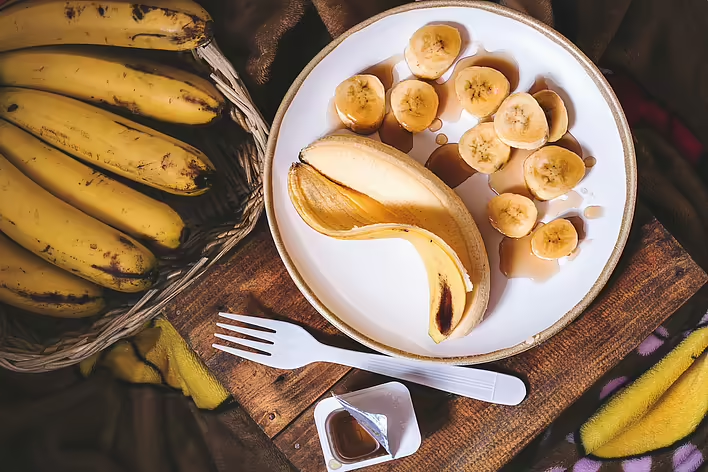
- Banana
- Blueberry
- Cherry
- Fig
- Grape
- Kiwi
- Mango
- Melon
- Orange
- Papaya
- Peach
- Pear
- Strawberry
Vegetables:
- Carrot
- Celery
- Garlic
- Onion
- Potato
- Tomato
Nuts and seeds:
- Almond
- Brazil nut
- Cashew
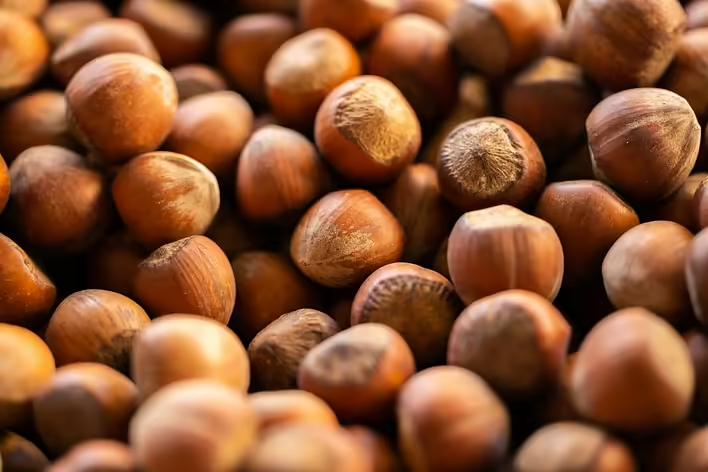
- Hazelnut
- Macadamia
- Pecan
- Pistachio
- Walnut
- Fenugreek seeds
- Poppy
- Pumpkin seeds
- Sesame
- Sunflower seeds
Roach:
- American cockroach
- German cockroach
Insect venom:
- Common wasp venom
- Fire ant venom
- Honeybee venom
- Paper wasp venom
- Long-headed wasp venom
Mold and yeast fungi:
- Alternaria alternata
- Aspergillus fumigatus
- Baker's yeast
- Cladosporium herbarum
- Malassezia sympodialis
- Penicillium chrysogenum
Milk:
- Camel milk
- Cow's milk
- Goat's milk
- Horse milk
- Sheep milk
Egg:
- Egg white
- Egg yolk
Fish and seafood:
- Anisakis
- Atlantic cod
- Atlantic herring
- Atlantic mackerel
- Black tiger shrimp
- Common shrimp
- Carp
- Common mussel
- Crab
- Lobster
- North shrimp
- Oyster
- Salmon
- Scallop
- Shrimp mix
- Squid
- Swordfish
- Sea fox
- Tuna
- Venereids
Meat of domestic animals and insects:
- Beef
- Chicken
- Horse meat
- Lamb
- Pork
- Rabbit
- Turkey
- House cricket
- Migratory locust
- Flour beetle
Pets:
- Cat
- Dzungarian hamster
- Dog
- Guinea pig
- Mouse
- Rabbit
- Rat
Livestock:
- Cattle
- Goat
- Horse
- Pig
- Sheep
Others:
- Latex
- Hom s lactoferrin
- Bird mite
- Ficus
Like it?React
🧵
This post doesn't have any additions from the author yet.