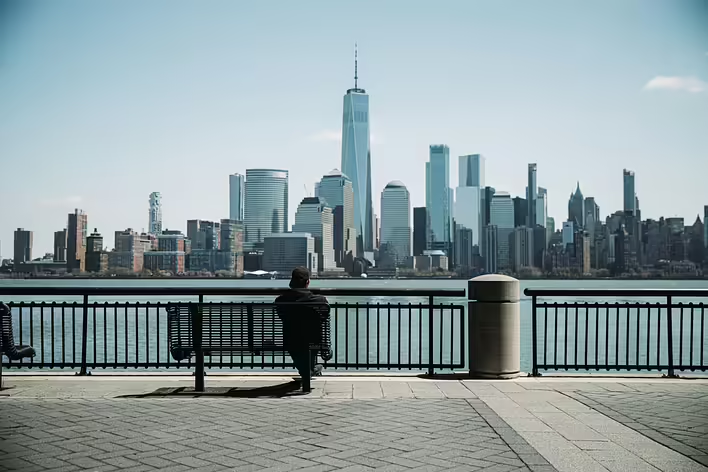
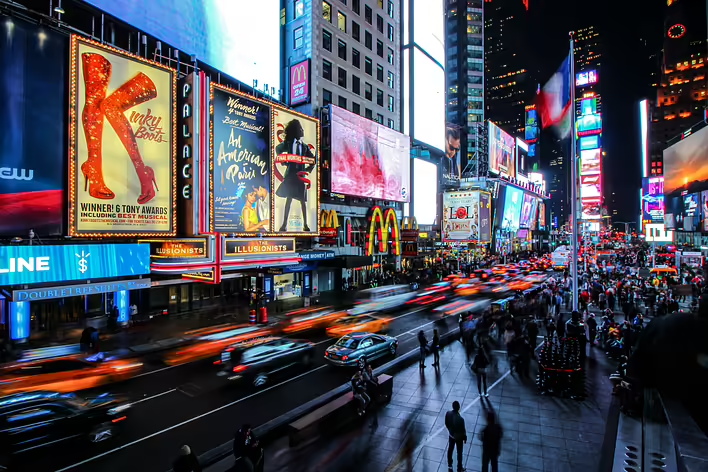
Life in a big city is associated with dynamics, opportunities, and an endless flow of communication. It seems that in the midst of millions of people, it is impossible to feel lonely. However, sociologists and psychologists note a paradoxical phenomenon: it is in megacities that people feel the most isolated. This state is known as urban loneliness.
Anonymity as a Trap for Connections
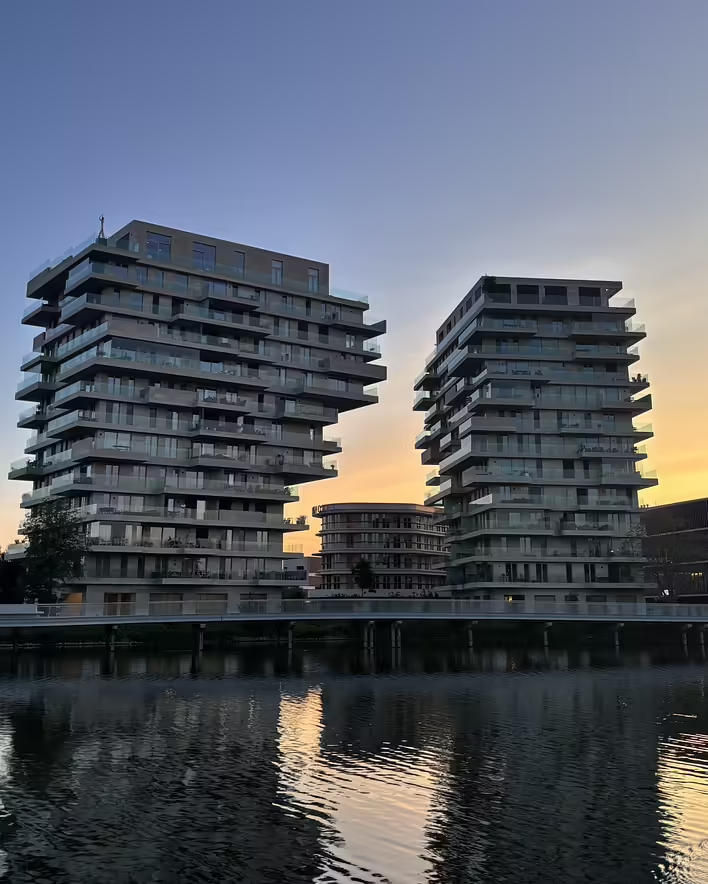
At first glance, the anonymity of a big city seems like an advantage — it provides freedom and the opportunity to be oneself. However, this same anonymity becomes the main obstacle to forming deep, meaningful connections. We live in high-rise buildings where neighbors may not know each other's names for years. The lack of a sense of community and belonging to something greater leads to emotional alienation, where people are physically close but socially and emotionally distant.
Social Fatigue and the Fast Pace of Life
Modern life in a big city is a continuous race. Career, constant deadlines, long commutes, an endless flow of information — all of this is exhausting. As a result, when free time appears, people often choose passive relaxation over active communication. This "social fatigue" leads to people initiating fewer meetings, preferring virtual communication.
The Illusion of Connections in Social Networks
Social networks promise us to be "in touch" with the whole world, but they only create an illusion of communication. We see the idealized lives of "friends," their travels, parties, and successes, which enhances feelings of inadequacy and isolation. Instead of forming real connections, we observe others' lives, deepening the chasm between our reality and what we see on the screen.
Megacity VS Regular City
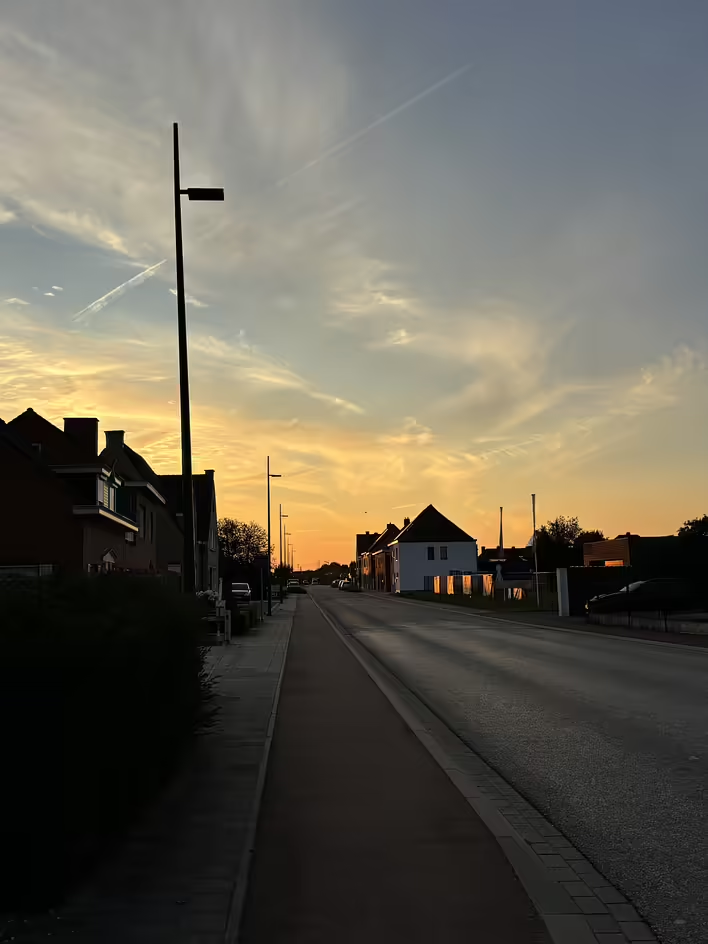
In a smaller city, where many people know each other, a stronger social network prevails, where people know not only their neighbors but also their families. This creates a sense of community and security, as there is always someone ready to help in times of need. However, such a close-knit community often leads to social control. Everyone knows what you are doing, which limits freedom, especially for those seeking unconventional paths in life.
A negative aspect of life in a big city, particularly regarding alienation, is chronic loneliness, which has serious consequences for mental and physical health. Studies show that feelings of isolation can lead to depression, anxiety, and increase the risk of cardiovascular diseases.
Ways to Overcome and the Future of Cities
Overcoming urban loneliness is a complex task that requires personal efforts and changes at the level of urban planning. To help people find like-minded individuals and form real connections, local communities, interest groups, and volunteer movements need to be created. Additionally, urban planners suggest creating so-called “third places” — parks, libraries, cafes, where people can meet and communicate casually.
Ultimately, the choice between a big and a small city is always a compromise. A megacity offers freedom and endless opportunities, but at the cost of feelings of isolation and high stress levels. A small city provides a sense of community and stability, but often limits freedom of choice and opportunities for growth. In the end, it all depends on your priorities.