Waregem is a city located in the province of West Flanders in the Flemish region of Belgium, which is part of the Kortrijk district. The city is situated between two major cities — Kortrijk and Ghent. It is an important center for the textile and furniture industries and is known for its horse racing, Gouden Spoor.
Waregem is relatively small, yet quite densely populated. As of January 1, 2020, its population was about 38.3 thousand people, showing gradual growth compared to previous years. The population density is quite high — about 820 people per km², which is typical for urbanized areas in Belgium.
Transport Infrastructure
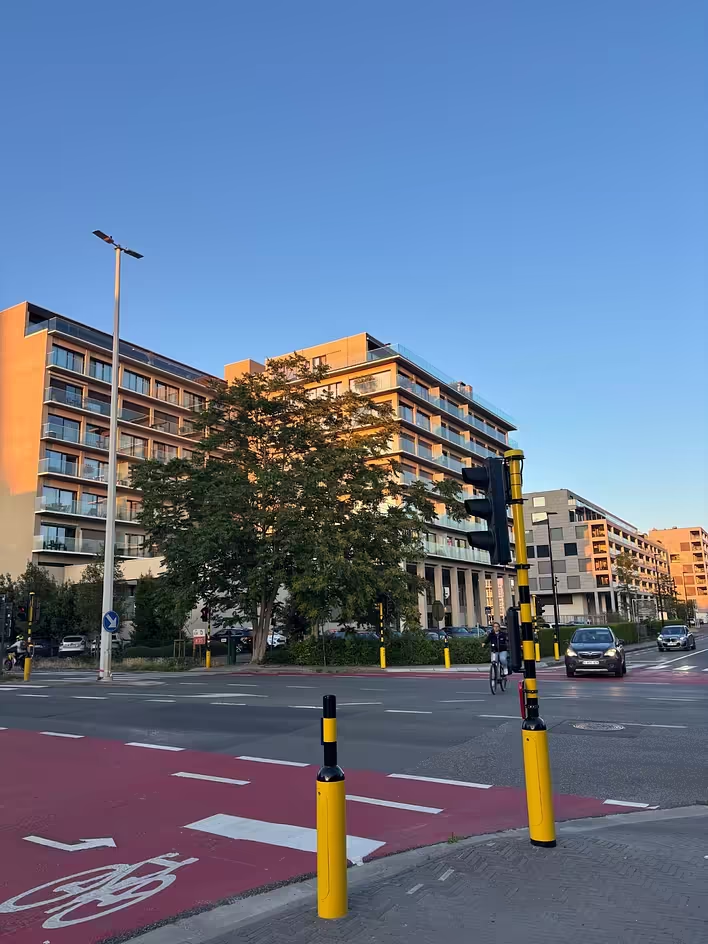
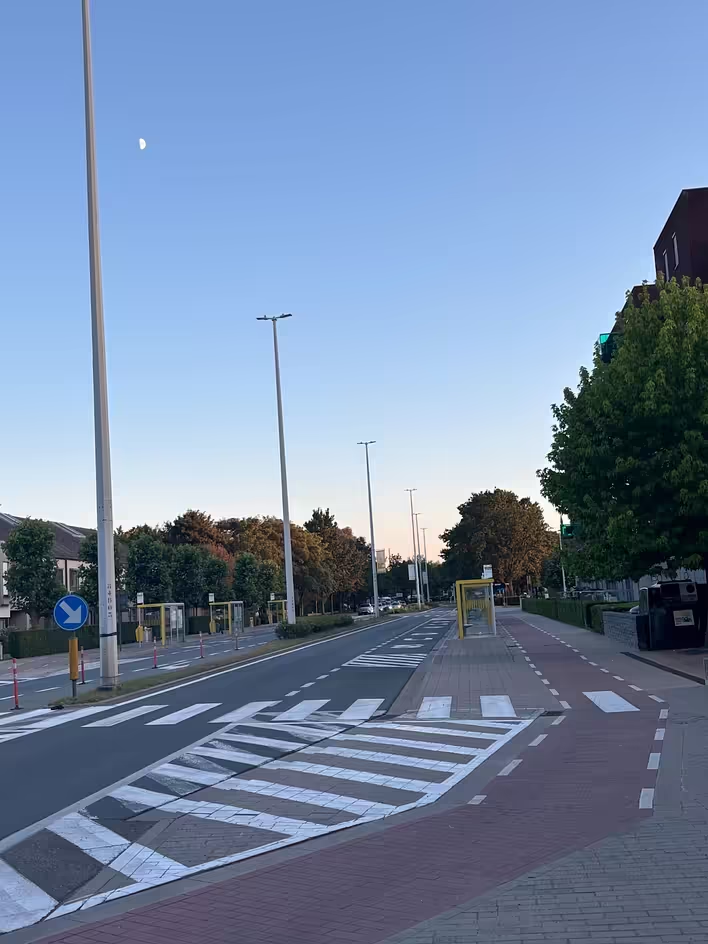
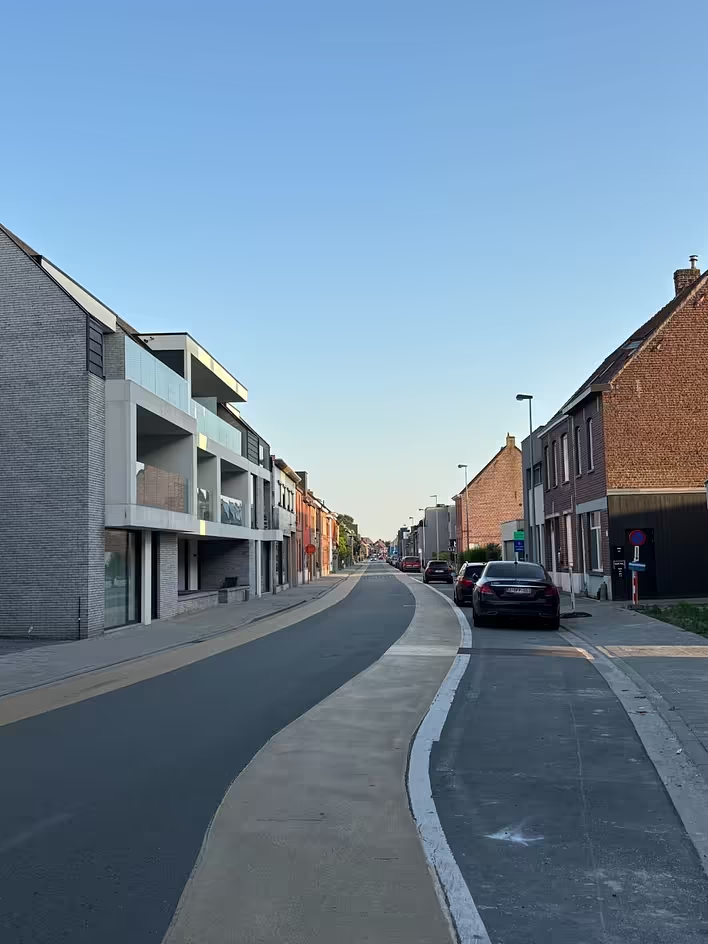
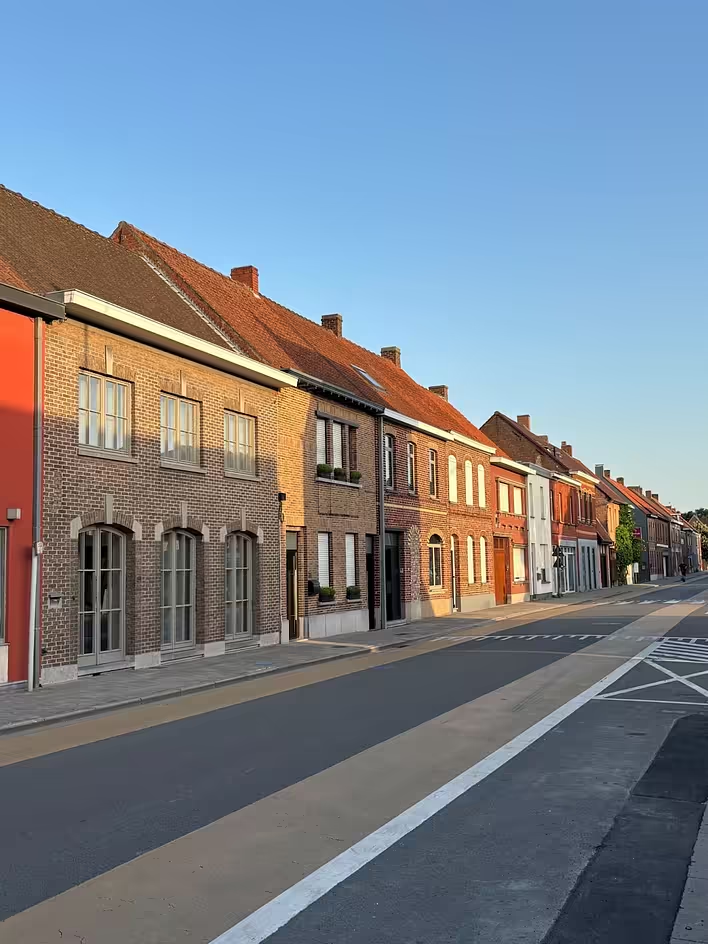
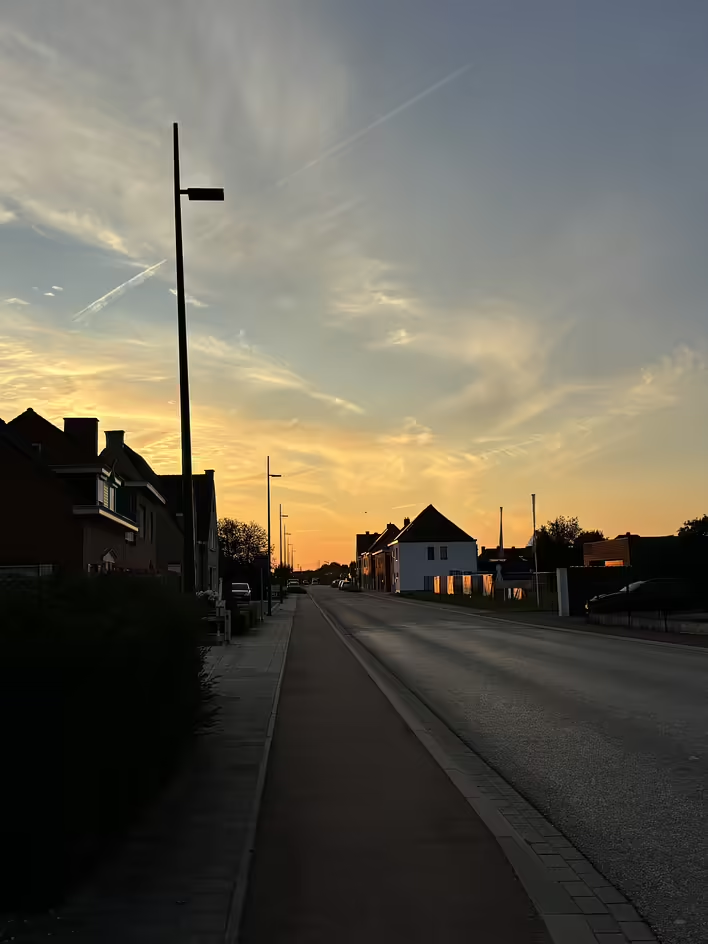
The transport infrastructure of Waregem is a vivid example of a well-organized and modern urban environment that fully meets high European standards of sustainable development and safety. A key feature is its multimodality, which is manifested in the support and integration of various modes of transportation. Particular attention is paid to active modes of transport, with separated colored bike lanes being a characteristic feature of Belgian cities that actively encourage the use of bicycles as a primary mode of transport. Wide sidewalks and marked pedestrian crossings, often with raised platforms, are provided for pedestrians. Special buttons for pedestrians and cyclists are available at every intersection.Public transport bus stops are quite comfortably equipped, and the transport itself is well-maintained, but it can often arrive earlier or later than the scheduled time.
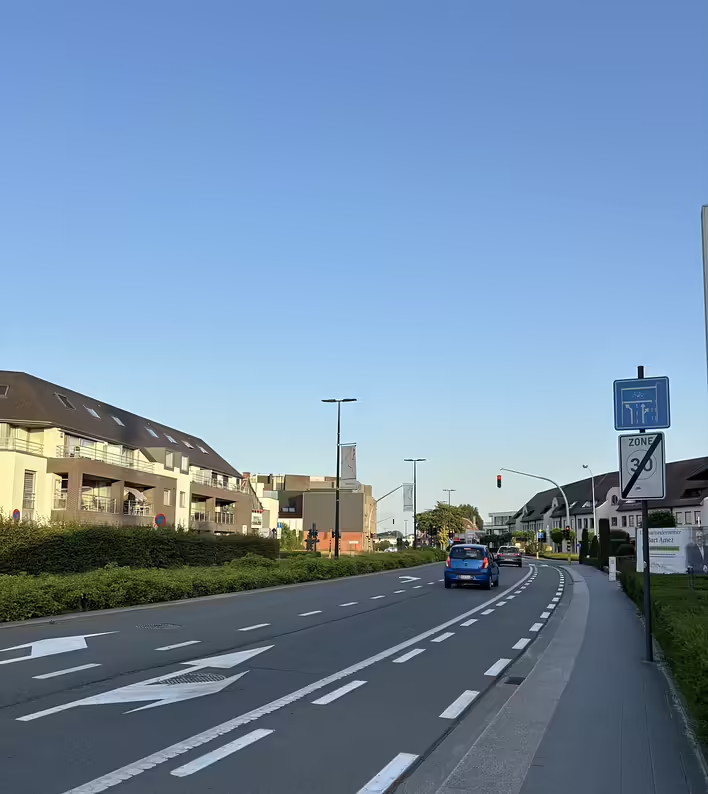
The introduction of "Zone 30" (speed limit of 30 km/h) in urban areas is typical for Belgium. There are very large fines for traffic violations, which significantly enhances discipline on the roads. However, given the extremely high popularity of bicycle transport and its integration into the urban flow, there is a peculiar feature that you are more likely to be hit by a bicycle here than by a car.
Photo 3
If we consider the transport infrastructure of Waregem not only from the perspective of advantages, even in such an exemplary Belgian city, there are its downsides. In contrast to the wide roads with clear markings and bright bike lanes (Photo 1,2, 3), the footage below reveals limited space for parking cars. Cars that are squeezed along the roadway without clear parking pockets not only steal space for movement but also visually clutter the street.
Despite the overall priority of active modes of transport, there is potential conflict between cars and cyclists in certain areas. This is particularly noticeable where separate bike lanes disappear or merge into a shared lane. It also greatly annoys me that cyclists seem to have a higher priority here than pedestrians. They ride freely on sidewalks when there is no separate lane for them on a narrow road. And it is I, as a pedestrian, who must always be vigilant and constantly squeeze against the wall or look back, otherwise there is a real risk of being hit.
City Development
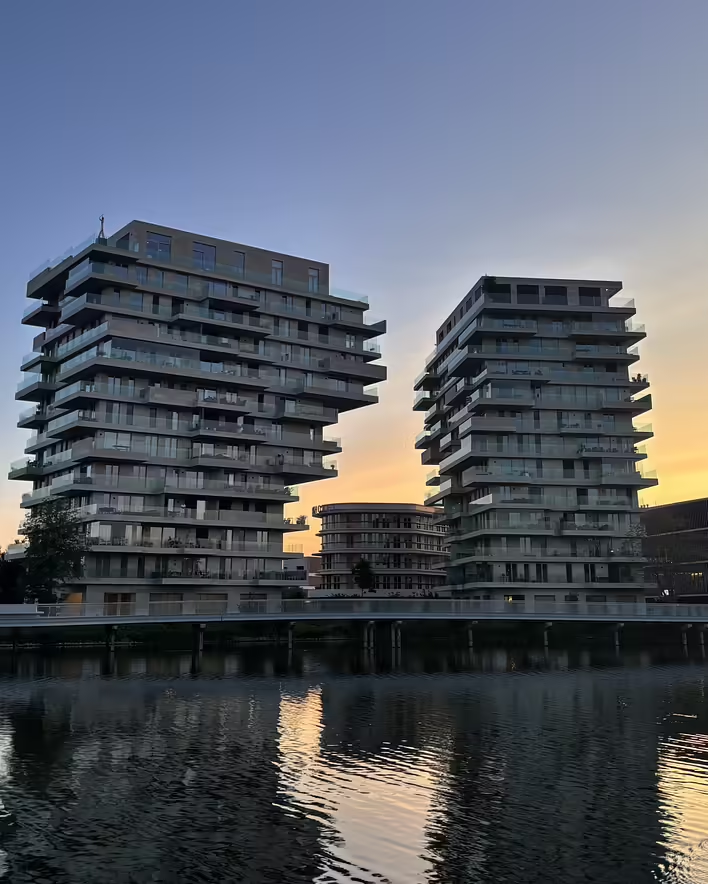
In Waregem, a mixed type of medium-rise residential development predominates, which is typical for modern European cities.
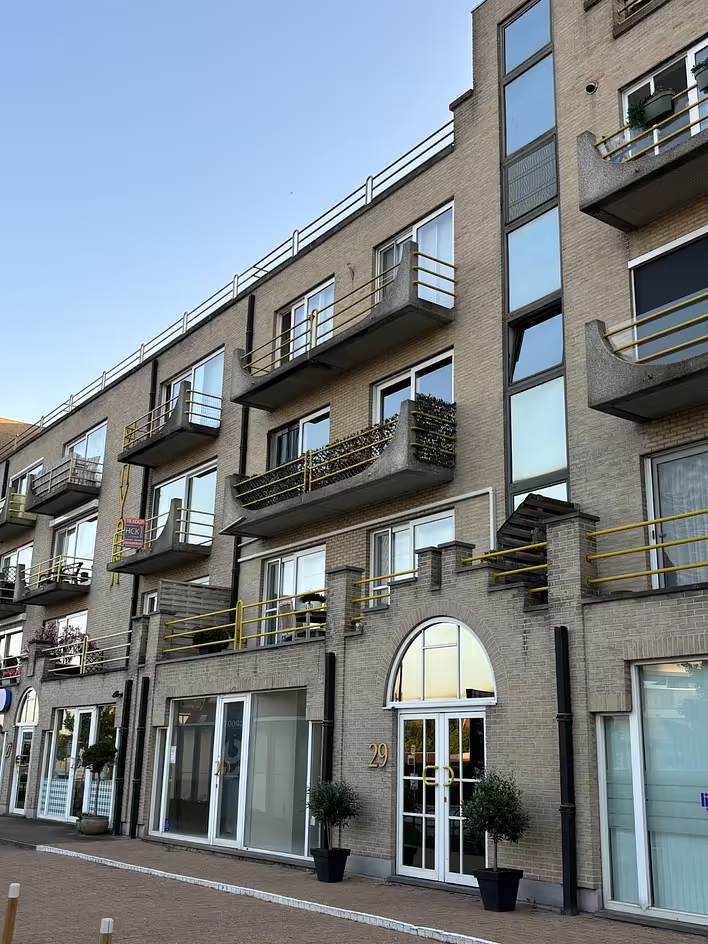
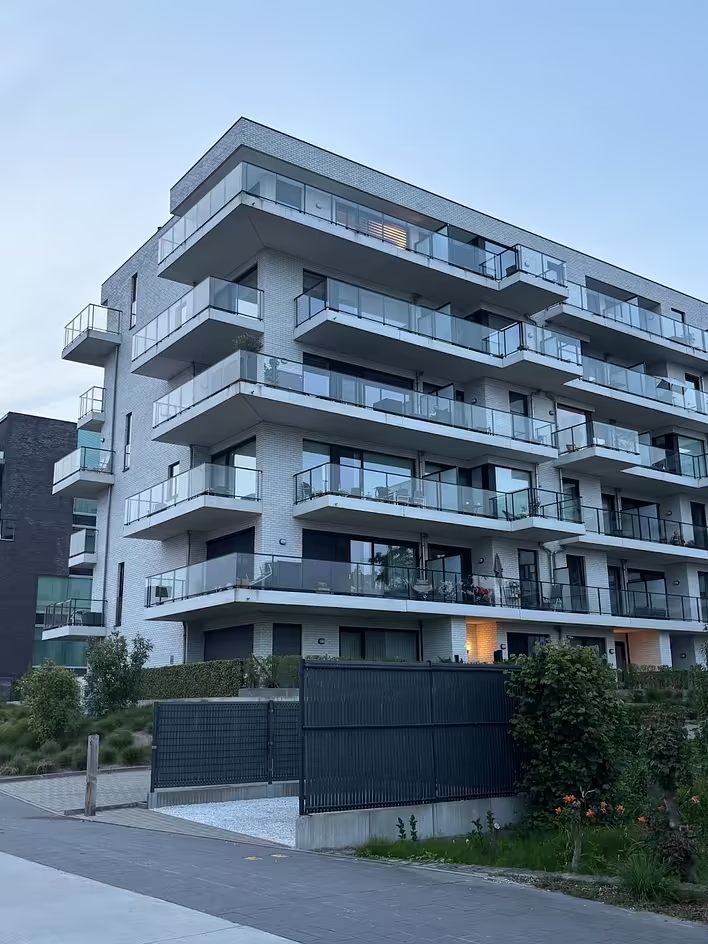
The mixed type includes modern apartment buildings (3–7 floors), which are the main component of the development, especially noticeable in new or renovated areas. They are characterized by light brick or clinker masonry, large panoramic windows, and numerous balconies, predominantly with modern glass or metal railings. The ground floors are often used for commercial purposes, integrating living space with urban infrastructure.
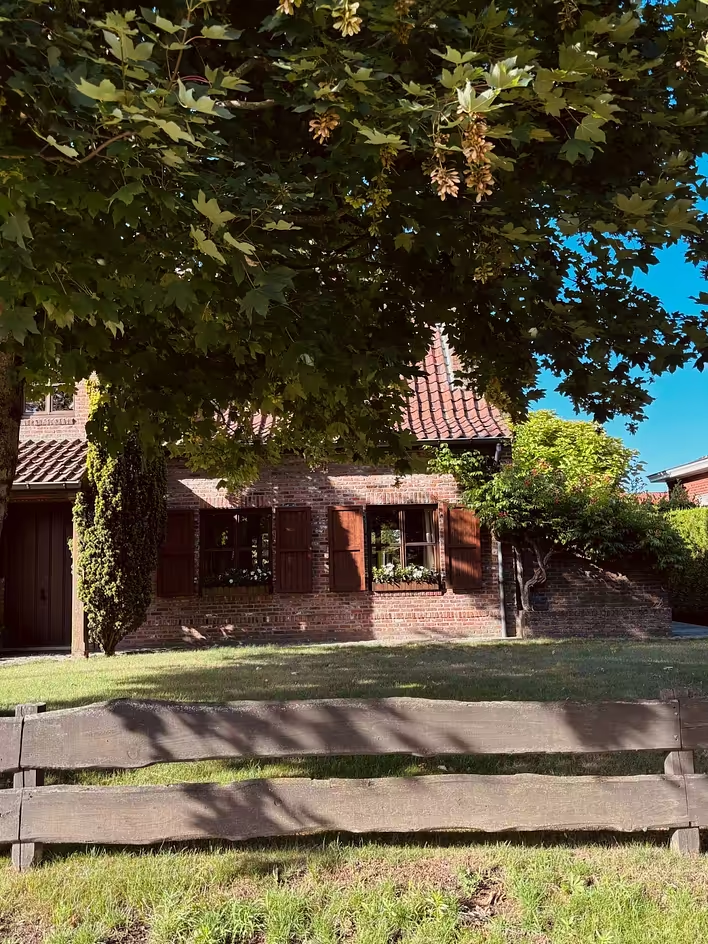
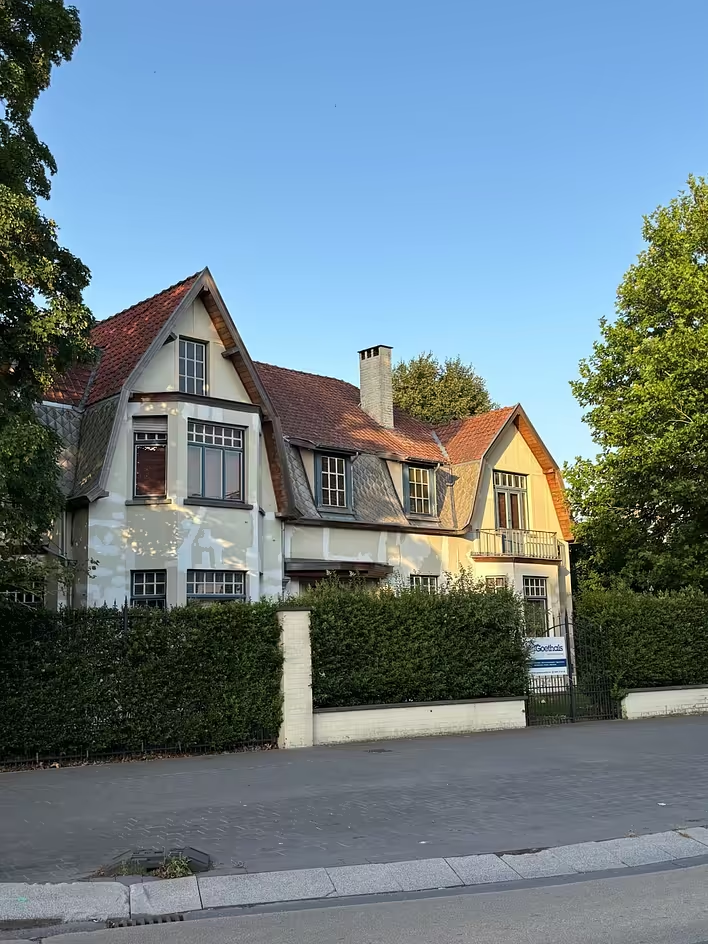
Also in the photos presented earlier (Photo 4,5), we see traditional row (terraced) houses (2–3 floors), built of red or dark brown brick, with pitched roofs and closely spaced together. They make up a significant part of the older or historic residential streets of the city.
In some of these areas among the dense development, it is noticeable that the streets are quite narrow and not always richly landscaped with large trees, limited only to individual bushes or lawns along the sidewalks. Because of this, the main shade cover is created not by green plantings, but directly from the shadows of the buildings.
The number of individual private houses and villas is smaller compared to apartment buildings and row houses. These are architecturally expressive structures, mostly surrounded by open green areas without high fences or completely without them.
Waregem adheres to the principles of a compact European city, which implies a dense yet comfortable living environment that makes rational use of land. This is a balanced approach to urbanization that combines the need for population growth with the desire to maintain quality of life.
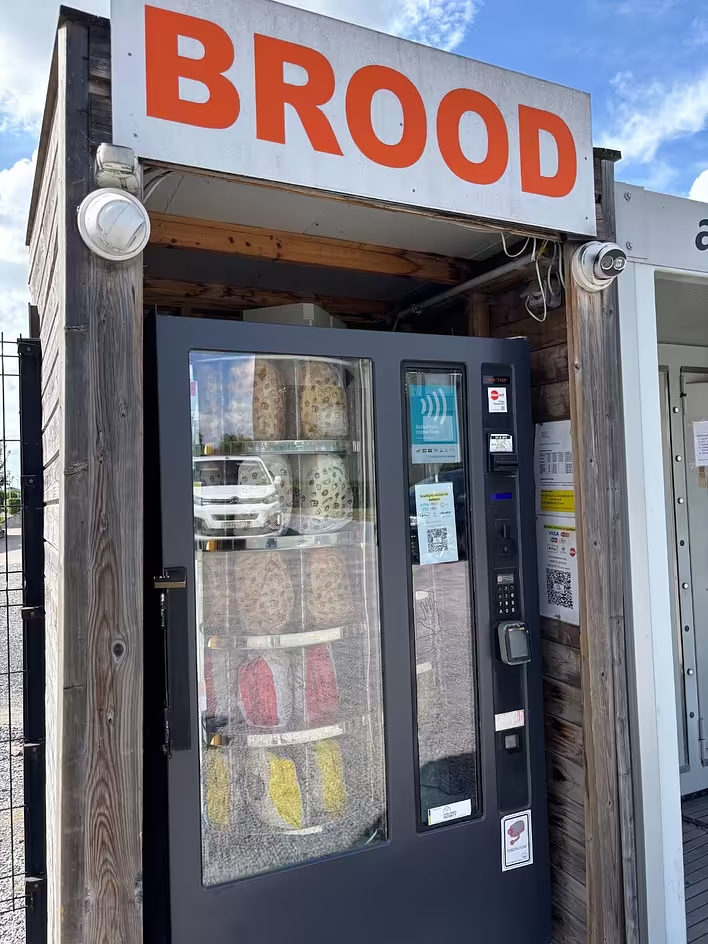
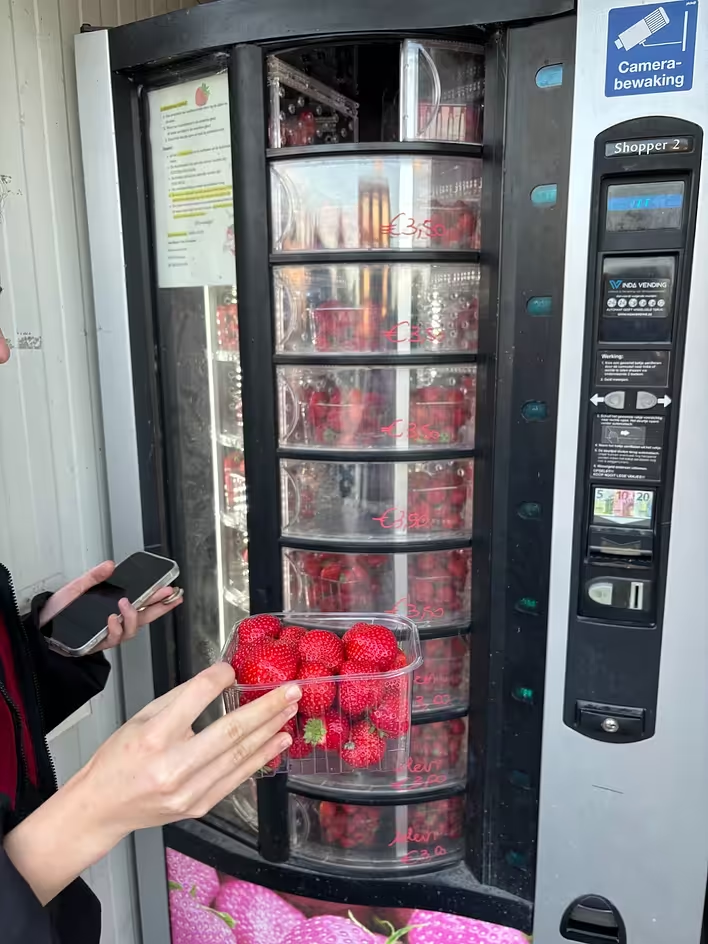
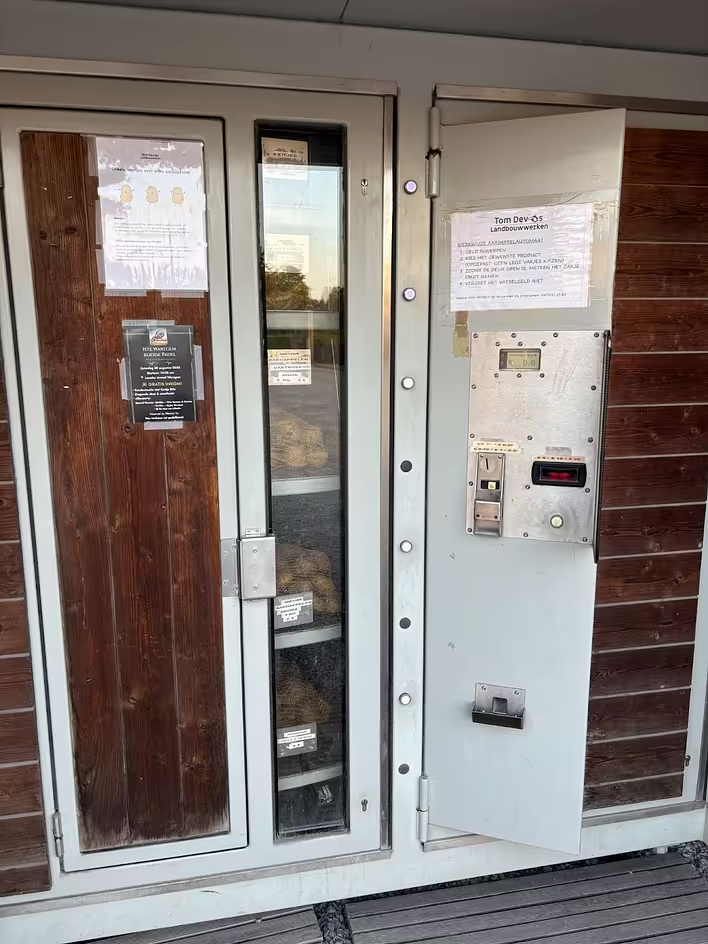
Food Vending Machines 😮
In Belgium and in Europe as a whole, trading customs can be a surprise for those used to 24/7 shops and supermarkets that operate without days off, as here shops generally close earlier, and on Sundays, the vast majority of establishments do not operate at all. Automatic vending machines operating 24/7 are a common phenomenon. This is a thoughtful solution that meets the everyday needs of society.